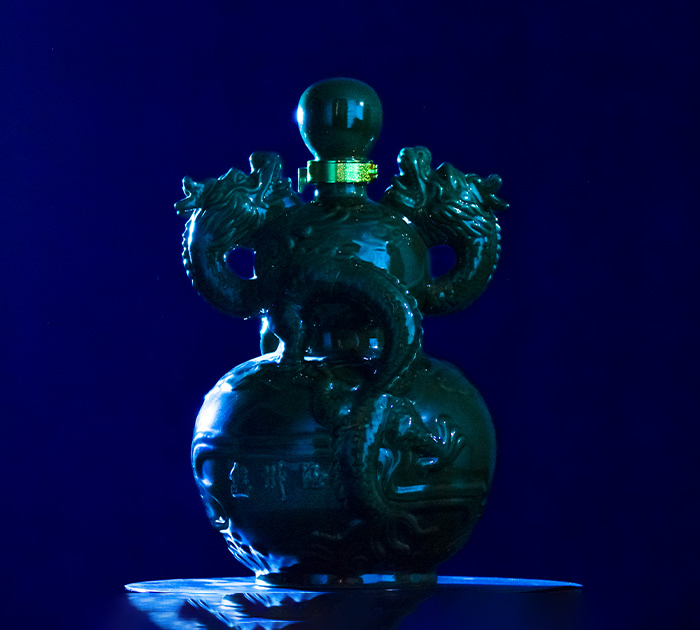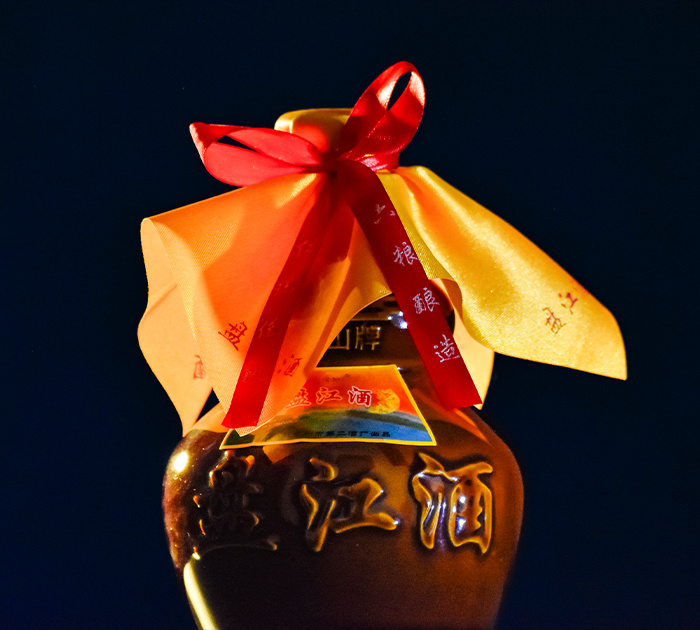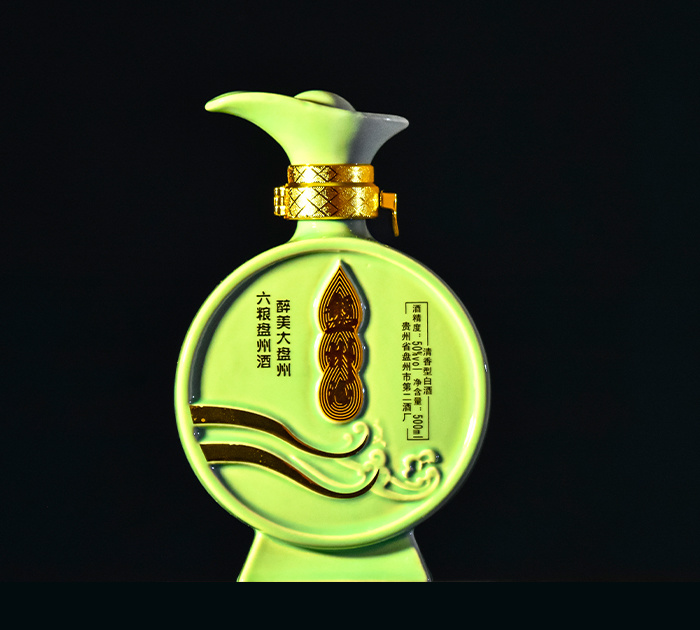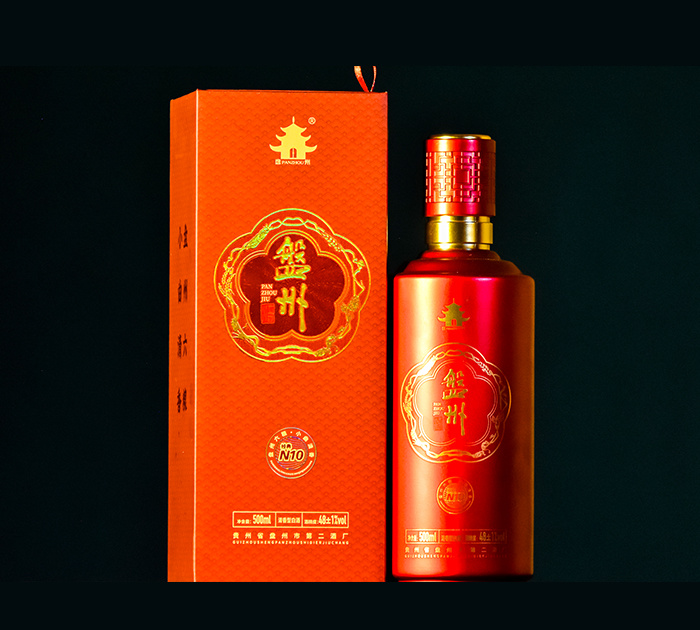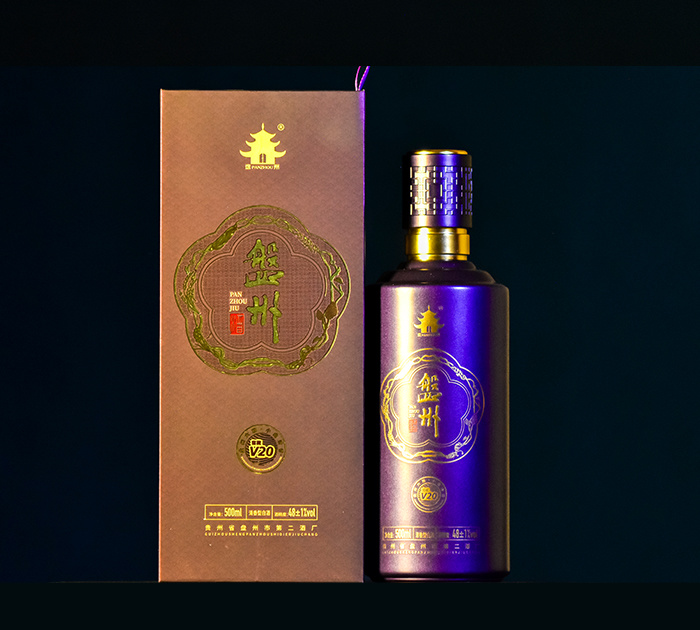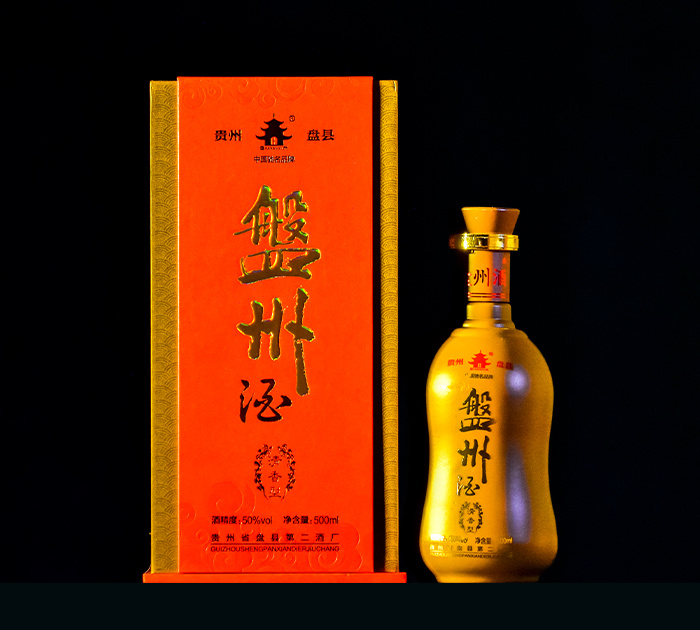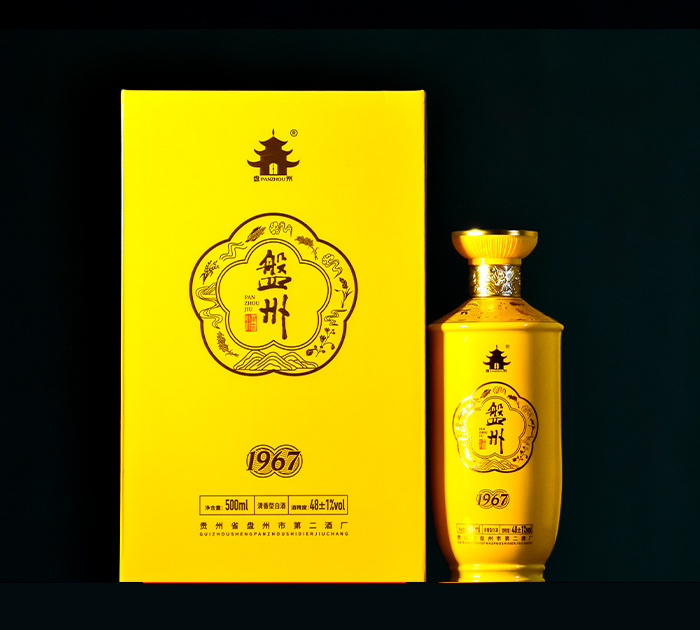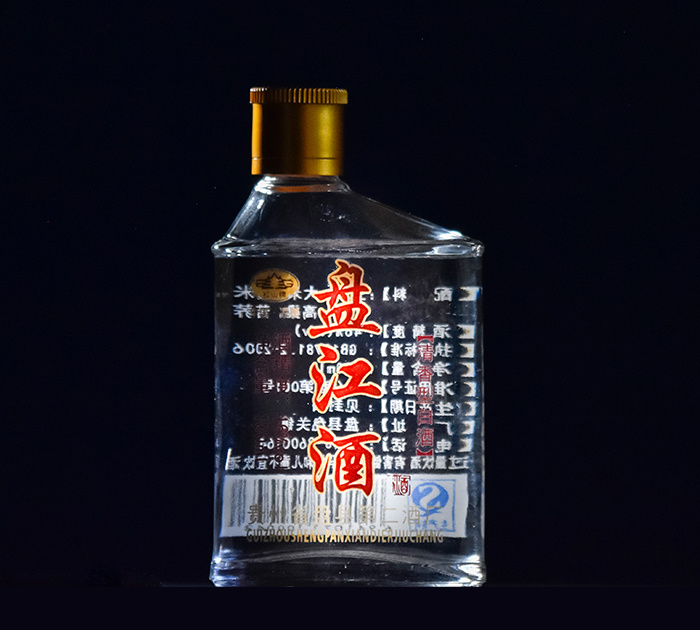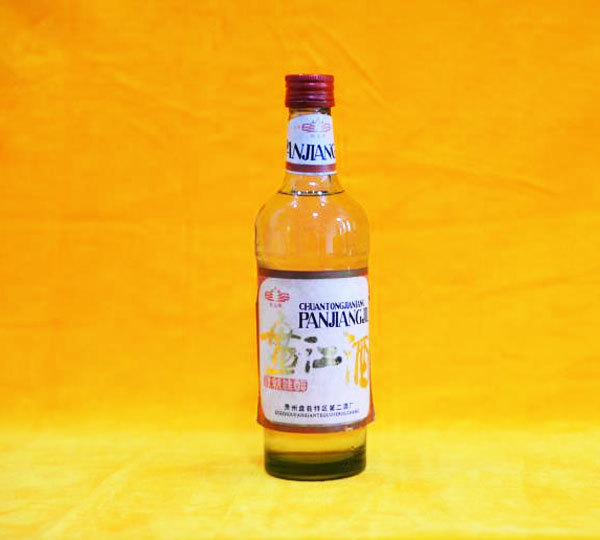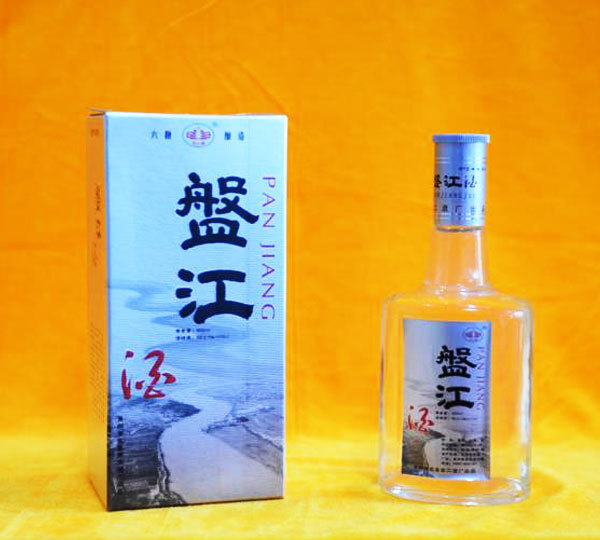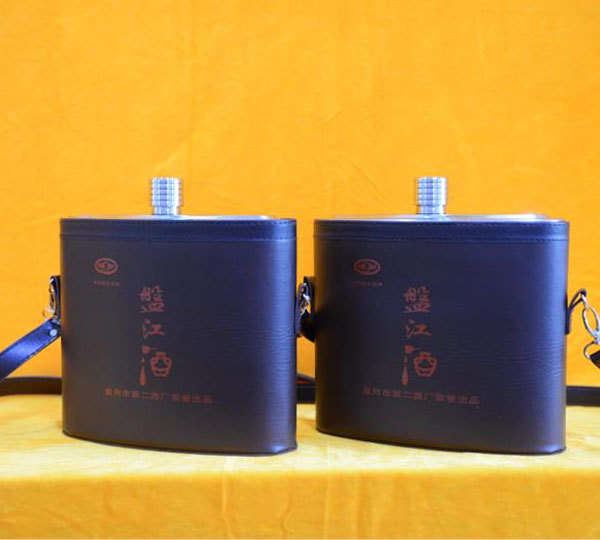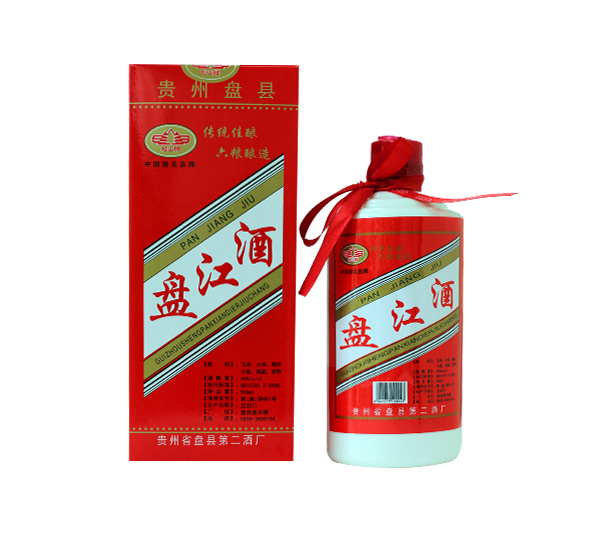

Panzhou City Second Winery

Small-batch sauce-aroma, pure-grain brewed

scroll down

During the Third Front Construction period, Panzhou built a winery that now boasts over 50 years of history...

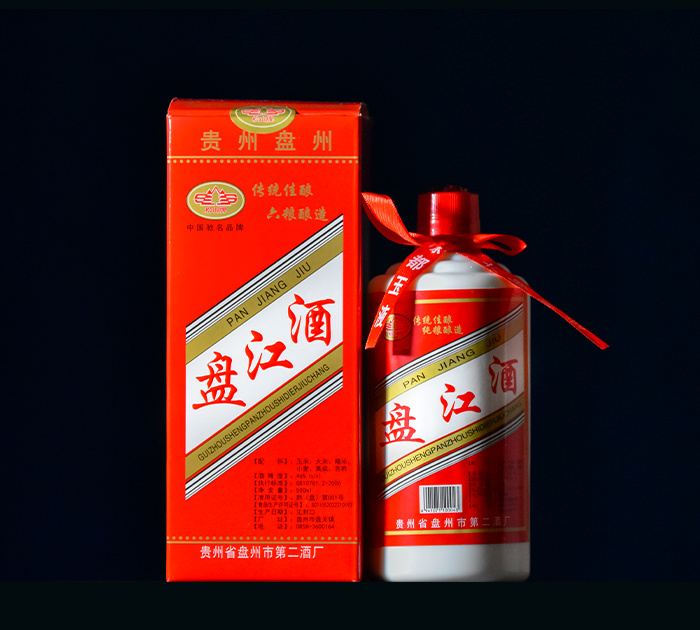
(Reported by Wan Li, Ma Kangtuo, and Wang Hengxuan) In the depths of winter, workers at the packaging workshop of Panzhou City’s No. 2 Winery are bustling about sealing and wrapping Panjiang liquor. Established in 1967, this winery boasts a history spanning more than 50 years. Emerging from the "Third Front Construction" era, the Panzhou City No. 2 Winery has continuously strengthened its Party-building leadership, driving substantial business growth and achieving steady sales increases for many consecutive years. Located in Panguan Town, Panzhou City, the winery sits between the Sanjiaoshu Mine and the Yueliangtian Mine of Panjiang Coal & Electricity Group. It employs the traditional solid-state brewing method, using six types of grains to craft its signature product—known as "Six-Grain Panjiang Liquor"—with an annual production capacity reaching 420 tons. The establishment of this winery is deeply intertwined with the legacy of the "Third Front Construction." “During the Third Front Construction period, the winery was built right between the Sanjiaoshu Mine and the Yueliangtian Coal Mine,” explained factory director Su Feng. “At that time, miners working underground were often exhausted and exposed to damp, chilly conditions. Building this winery provided them with access to high-quality liquor—helping to relieve rheumatism, dispel coldness, and boost their body heat.”

24

2021

/

09

Guizhou University's Mingde College Department of Bioengineering has signed a school-enterprise cooperation training agreement with the Second Winery in Panzhou City, Guizhou Province.

On the afternoon of March 30, Dean Wu Tianxiang, Vice Dean Luo Weidong, Head of the Biology Department Tang Ting, Assistant to the Head of the Biology Department Yang Zutao, and College Office Assistant Wei Guandong visited the Second Winery in Panzhou City, Guizhou Province. They were warmly received by Su Feng, Director of the Second Winery; Jiang Ruguai, Deputy Director; and Du Xuezhong. The two sides then held a campus-enterprise cooperation signing ceremony in the conference room of the Second Winery in Panzhou City. During the meeting, Su Feng, Director of the Second Winery, briefly introduced the winery’s rich history. Established on April 24, 1967, the Second Winery in Panzhou is the third oldest distillery in Guizhou Province—after Moutai and Xijiu—with over 50 years of heritage. Upholding the development philosophy of "small-qu baijiu with a clear aroma, pure-grain brewing, solid-state fermentation, and a remarkably smooth taste," the winery has maintained uninterrupted production for the past 51 years. In 2017 alone, the Second Winery achieved an industrial output value of 7.72 million yuan, generated sales revenue exceeding 4 million yuan, and contributed more than 1.6 million yuan in taxes, playing a vital role in boosting Panzhou’s economic growth. Wu Tianxiang emphasized that this collaboration marks the first significant step in the university-enterprise partnership, serving as a strong example and exploration of the college’s integrated industry-academia model. He highlighted its guiding significance and practical impact on cultivating application-oriented and hands-on talent at the institution. Luo Weidong noted that, as a pioneer among independent colleges under Guizhou University, the college is committed to advancing its innovative educational approach and mission. Underpinned by its new institutional framework and core values, the college will focus on "serving society, supporting Guizhou’s development, and nurturing application-driven professionals." Through this partnership with the Second Winery in Panzhou, the college aims to establish a cutting-edge platform for collaborative innovation, jointly contributing to Guizhou’s economic growth while preserving and promoting the region’s cherished wine culture. Following the signing ceremony, representatives from both sides exchanged their signed cooperation agreements. Afterward, Wu Tianxiang, Luo Weidong, and their delegation toured the baijiu production line, accompanied by Su Feng.

12

2018

/

04

Panzhou Second Winery Drives Development Through Party Building Leadership

In the depths of winter, workers at the packaging workshop of Panzhou Second Winery are busy sealing and wrapping Panjiang liquor. Established in 1967, the winery boasts over 50 years of history. In recent years, it has steadily strengthened its Party-building leadership, driving significant business growth and achieving continuous year-on-year sales increases. Located in Panguan Town, Panzhou Second Winery employs a traditional solid-state brewing method, using six types of grains to create its renowned "Six-Grain Panjiang Liquor." The winery’s annual production capacity reaches 420 tons. Interestingly, the establishment of this winery is closely tied to the "Third Front" construction initiative. As Su Feng, the winery’s director and Party branch secretary, explains, during the "Third Front" era, the facility was built between Shukeng Mine and Yueliangtian Mine—areas known for their damp underground conditions. To combat the harsh environment, the winery was designed to help miners alleviate rheumatism, ward off cold, and boost their body heat. Over the past five decades, the winery has contributed more than 10 million yuan in tax revenue to the nation. Today, the winery employs a total of 24 staff members, including nine dedicated Party members. By reinforcing Party leadership and encouraging these members to serve as role models, the winery’s Party branch has united employees under a shared vision, fostering collaboration and propelling the company’s growth. When asked about how Party members exemplify their roles, Ao Chengyan, the Party branch’s organizational committee member, emphasizes: "As Communist Party members, we must always take the lead in tackling challenges. Additionally, by organizing regular Party-building activities, we help our employees feel a stronger sense of responsibility and deepen their unity." Beyond setting the tone for the team, Party officials also make it a priority to engage in open, heartfelt conversations with non-Party members, genuinely listening to their concerns and actively addressing their practical needs. Looking ahead, Su Feng shares, "Through robust Party building efforts, we’ve successfully aligned our employees’ minds, ensuring top-notch product quality and enabling well-rounded development across all areas. Moving forward, we’ll continue strengthening our Party initiatives to guarantee the sustainable growth and success of our enterprise."

03

2019

/

01

After more than 50 years of dedication, Panzhou City's No. 2 Winery has once again regained its vitality.

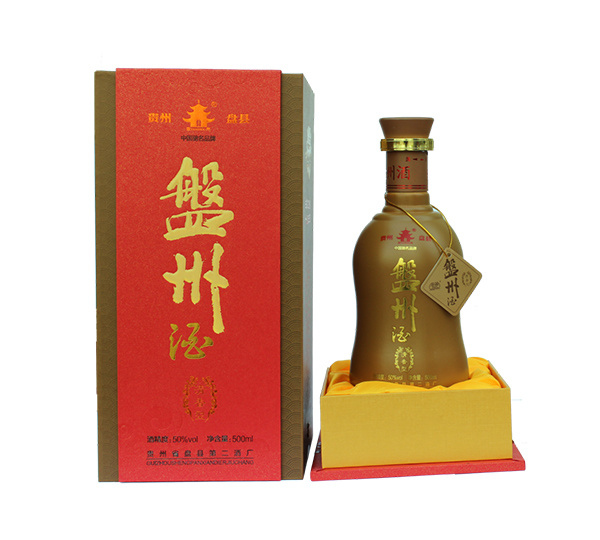
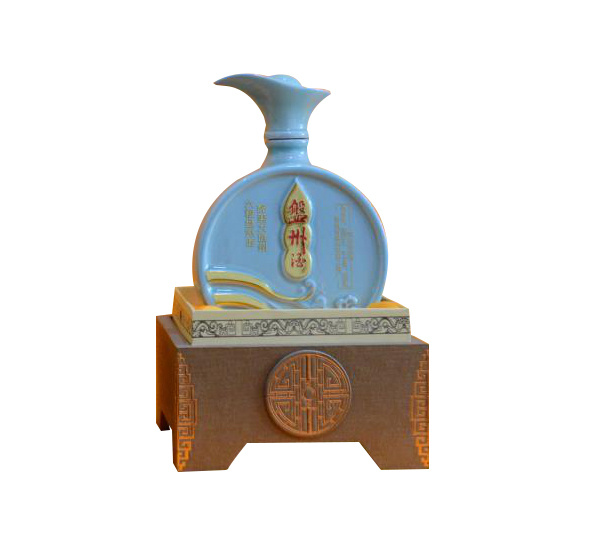
In Panzhou, there stands an old distillery with a 53-year history—the Panzhou City No. 2 Distillery. Over the past five decades, this distillery has witnessed the booming days of the planned economy era, endured the painful transition from reform and opening-up to a market-driven economy, and even bravely persevered during the critical phase of state-owned enterprise restructuring. Through these trials and tribulations, the second distillery has now shed its former glitz, returning to its authentic roots—and in the new era, it’s bursting with vibrant energy once again. It was that sweltering summer of 1967 when the Pan Guan area along the Tuojiang River felt as humid and hot as it does today. The "Third Front Construction" initiative was in full swing, with coal miners working tirelessly under harsh conditions, relying on manual labor and animal-powered transport to support China’s burgeoning coal industry—just like ants tirelessly toiling for their nation. Back then, the mine shafts were drenched in moisture, and workers weren’t afraid of hardship or fatigue; what they feared most was illness, because falling sick meant missing shifts and disrupting coal production altogether. And so, it was during that very summer that a distillery was born. After all, great mountains yield exceptional water, and fine water is essential for crafting superb liquor. Flanked by towering mountains on both sides of the Tuojiang River, the region boasts rich mineral resources hidden deep within its rugged terrain. Above the mountains, crystal-clear streams flow endlessly, nourishing generations of Pan Guan residents who have lived alongside these life-giving waters for centuries. Between the Sanjiaoshu Mine and the Yue Liang Tian Mine lies one such pristine stream, and it was here that the distillery chose to establish itself. Today, this is Panzhou City’s No. 2 Distillery (formerly known as the "Local State-Owned Pan County Special District No. 2 Distillery," now also referred to as the "Six-Grain Distillery"). To date, after 53 years, it has become the third oldest state-owned distillery in Guizhou Province—behind only Kweichow Moutai and Xiji Distillery, both renowned for their long-standing legacies spanning over 50 years. After a grueling day working underground at two major mines under the Panjiang Coal & Electricity Group, miners finally had the chance to savor a sip of "Panjiang Liquor," crafted entirely from pure grains. This cherished drink not only relieved their exhaustion and banished the dampness accumulated in the mines but also provided much-needed warmth during the cold winter months, shielding them from the biting chill. This "Panjiang Liquor" is meticulously brewed using six premium grains: corn, rice, glutinous rice, sorghum, wheat, and tartary buckwheat. Adhering to the traditional methods of "small-qu flavor, pure-grain fermentation, and solid-state brewing," it contains no artificial flavors or additives. As a result, it offers an intoxicating aroma, a lingering finish, and leaves drinkers feeling neither hungover nor parched afterward—a quality that has earned it the nickname "the Little Moutai of Panjiang." During the Third Front Construction period, "Panjiang Liquor" wasn’t just enjoyed by miners and local villagers—it even made its way to Beijing, Shanghai, and northeastern regions across China. Legend has it that once, a soldier stationed in Beijing decided to buy two bottles of "Panjiang Liquor" as a thoughtful gift for his family back home during a rare visit. Though he didn’t usually drink alcohol, he’d heard rave reviews about this particular brand. So, he purchased two bottles of "Songshan Brand Panjiang Liquor" and brought them back to his hometown—only to discover later that the liquor was actually produced right where he grew up! Thanks to its superior quality and the seller-dominated market conditions of the planned economy era, "Panjiang Liquor" quickly gained widespread acclaim, becoming an instant sensation. However, as the saying goes, "no flower remains in full bloom forever." The second distillery too faced challenging times and even a severe downturn. At the end of the last century, China underwent its third major wave of socialist transformation—this time targeting state-owned enterprises nationwide. Like many others, Panjiang Distillery found itself thrust into the turbulent currents of the market economy, forced to adapt or risk being left behind. At the height of the crisis, factory director Su Feng, who had taken office around the same time as the company’s restructuring, recalls vividly: "I thought to myself then—these workers are like my own family. If I gave up now, who would step up to lead everyone? Without the distillery, we’d lose not only our livelihood but also the legacy of this fine brand altogether." During the toughest moments, even the factory director himself could only afford a meager subsidy of 250 yuan per person. Hearing this, some mocked, calling everyone—from the CEO down to the lowest-ranking employee—"two-fiftyers"—a label that stung deeply. It took a collective effort to raise each worker’s allowance by an additional 10 yuan to ease the humiliation. "Back when things were toughest, our wages barely covered basic living expenses—just 260 yuan per capita. But no matter how tough it got, every single employee remained committed to upholding the distillery’s reputation. We refused to compromise on quality or produce counterfeit goods. And look at us now—thanks to everyone’s relentless dedication and unwavering loyalty, the distillery is thriving again!" shared employee Ao Chengyan with heartfelt emotion. Even in the darkest hours, countless Panjiang Liquor enthusiasts never wavered, treating the distillery like their second home. They understood clearly that if production ever ceased, restarting would be nearly impossible. By steadfastly maintaining high-quality standards and refusing to cut corners, they elevated the brand’s prestige above their own personal ambitions. Upholding the principle of "never producing a single drop of substandard liquor," they endured the coldest winters with unyielding determination, patiently waiting for spring to return. Through countless struggles, the distillery eventually emerged stronger than ever before. By the turn of the millennium, after weathering the storm with resilience and perseverance, the second distillery began to flourish once more. Its renewed vitality soon earned it well-deserved accolades: in 2006, the Songshan-brand Panjiang Liquor was awarded the prestigious titles of "China Famous Brand," "China Consumer-Friendly Premium Brand" (as a key promotional unit), and "Nationally Certified Quality Product." Meanwhile, the distillery itself received honors such as "National Model Unit for Quality Integrity Brands," "Outstanding Green and Ecological Enterprise in Guizhou," and "Contract-Honoring and Trustworthy Enterprise in Guizhou Province." Today, the distillery’s facilities have undergone a remarkable transformation, shedding their old, worn appearance for a fresh, modern aesthetic. The distillery’s total assets have nearly doubled, enabling it to produce 420 tons of liquor annually across its two flagship brands: Panjiang Liquor and Panzhou Liquor. After more than five decades of steadfast dedication and continuous refinement, the distillery’s production techniques have reached new heights of precision, while its products have consistently maintained unparalleled excellence. As a result, Panjiang Liquor and Panzhou Liquor have become beloved favorites among consumers far and wide, attracting customers from near and far eager to place orders. Thanks to this success, dozens of employees are now enjoying stable, prosperous lives—proof that hard work and unwavering commitment truly pay off.Factory Director Su Feng said: "Over the past 53 years, we've weathered countless challenges and twists and turns to reach where we are today—thanks to the relentless efforts and pioneering spirit of several generations. In recent years, our output value, production volume, revenue, and tax contributions have steadily grown year after year. In 2019, we achieved an output value of 8.16 million yuan, revenue of 4.83 million yuan, and paid 1.43 million yuan in taxes. Moving forward, we’ll continue to boost production, expand our sales network, and maintain uncompromising quality, ensuring that consumers can enjoy safe, authentic solid-state fermented liquor." (Reported by All-Media Journalist Xiao Runxian, with contributions from Correspondents Peng Zhonggong and Deng Qiang)

08

2021

/

09

< 1 > proceed page