


Double Dragon Playing with a Pearl – Panzhou Wine
Currently, Luzhou-flavor baijiu accounts for approximately 70% of sales, while the market share of Qingxiang-style baijiu has been shrinking—currently hovering around just 10%. As everyone knows, the aroma profile of baijiu significantly influences its taste. Once consumers become accustomed to a particular aroma type, it becomes challenging for them to switch to another style over an extended period. However, a shift in consumer preferences can indeed occur—primarily because other types of baijiu are now more accessible to consumers, creating opportunities for them to explore and eventually adopt new drinking habits. In fact, the decline in Qingxiang-style baijiu's market share isn't due to any inherent flaw in the product itself; otherwise, it wouldn't have enjoyed such a glorious past or maintained a respectable presence in today's market. Instead, the drop reflects external factors—such as intensifying competition from rival brands—as well as internal challenges within the industry, including insufficient marketing strategies by the very companies that once championed Qingxiang-style baijiu. As a result, consumers who previously favored Qingxiang-style baijiu may eventually return to it—but only if the brand can effectively adapt to evolving consumer needs and preferences.
fragrance type:
Light and Fragrant Type
Alcohol by Volume:
53% vol
raw material:
Corn, rice, glutinous rice, sorghum, wheat, tartary buckwheat, and more
Place of Origin:
Panzhou City, Guizhou Province
Storage conditions:
Store in a dry, well-ventilated, cool, and clean environment.
Category:
Currently, Luzhou-flavor baijiu accounts for about 70% of sales, while the market share of Qingxiang-style baijiu has been shrinking, now standing at around 10% only.
It is well known that the aroma profile of baijiu determines its taste, and once consumers become accustomed to a particular aroma type, it becomes difficult for them to switch to another over an extended period. However, the key to shifting consumer preferences lies first in providing opportunities for people to come into contact with baijiu products featuring different aroma profiles—this is what ultimately drives the transition in consumption habits.
In fact, the decline in the market share of light-aroma baijiu isn’t due to any inherent flaw in the product itself—otherwise, it wouldn’t have enjoyed such a glorious past and still maintain a significant presence today. Rather, the shift is a direct result of external environmental changes affecting the category: its competitors have grown stronger, while the market strategies employed by the very companies that make up the light-aroma baijiu industry have fallen short. As a result, consumers who once favored light-aroma baijiu have increasingly turned to other styles like strong-aroma and sauce-aroma spirits—but they could easily return to light-aroma baijiu down the line, provided the brand can effectively adapt to and meet evolving consumer preferences.
Keywords:
Panzhou No.2 Winery, Panzhou Wine, Panjiang Wine, Maotai Town Wine, Maotai Town Sauce-Aroma White Liquor, Guizhou Wine
Previous page
Next page
*Note: Please ensure all information is accurate and keep your contact details up to date—we’ll reach out to you as soon as possible.
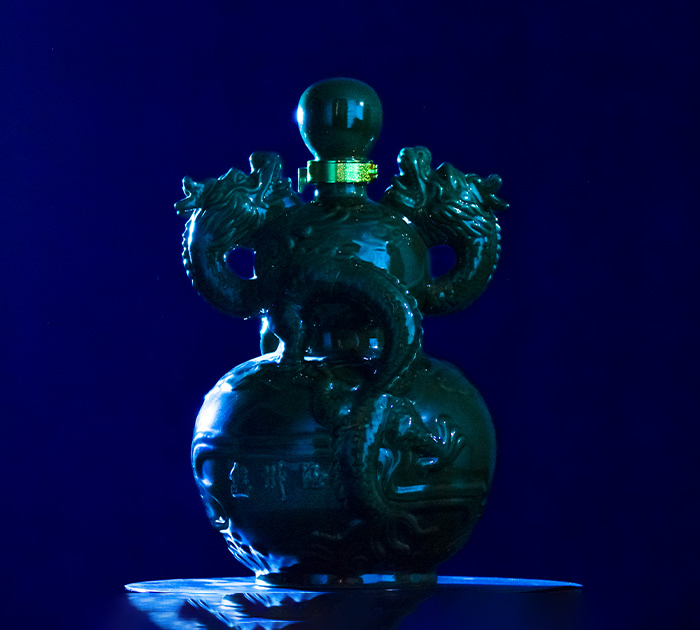
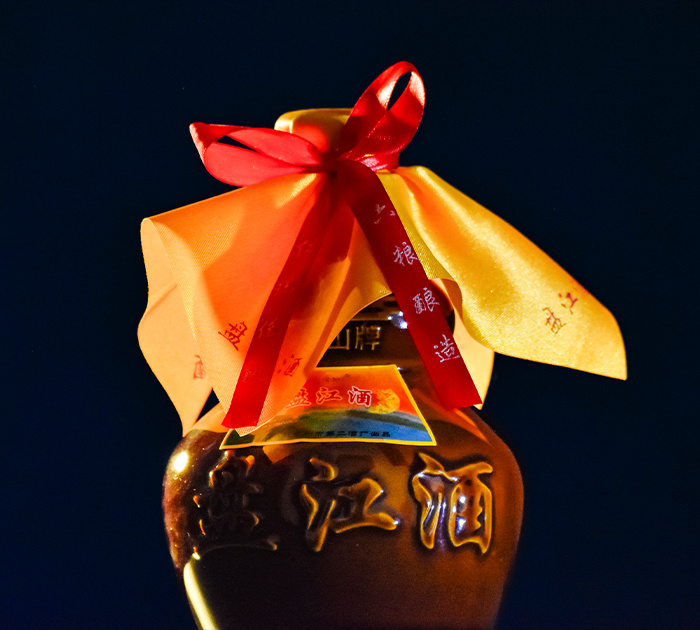
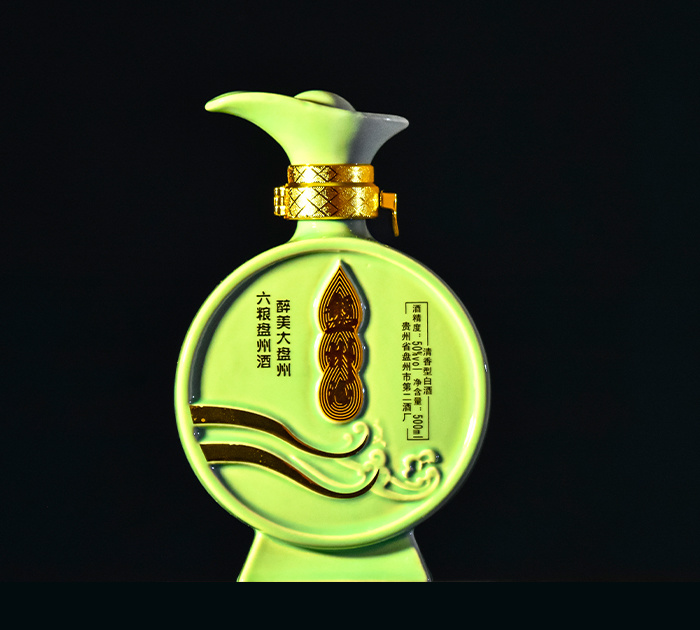
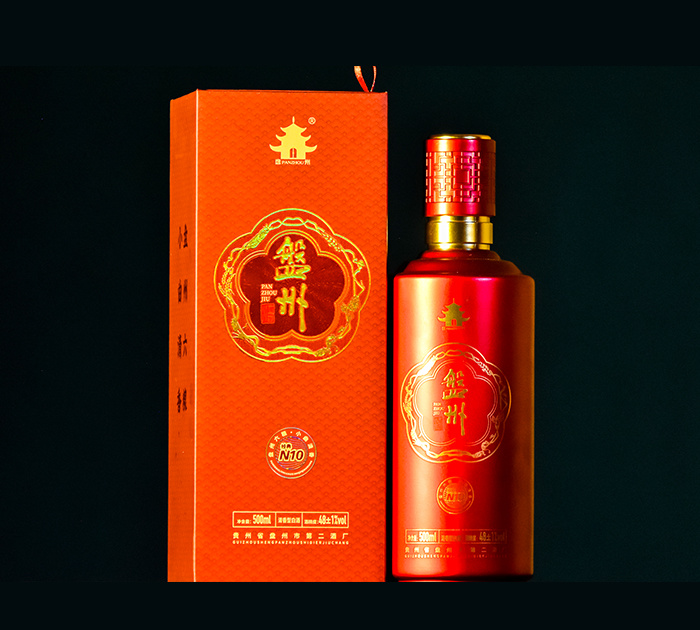
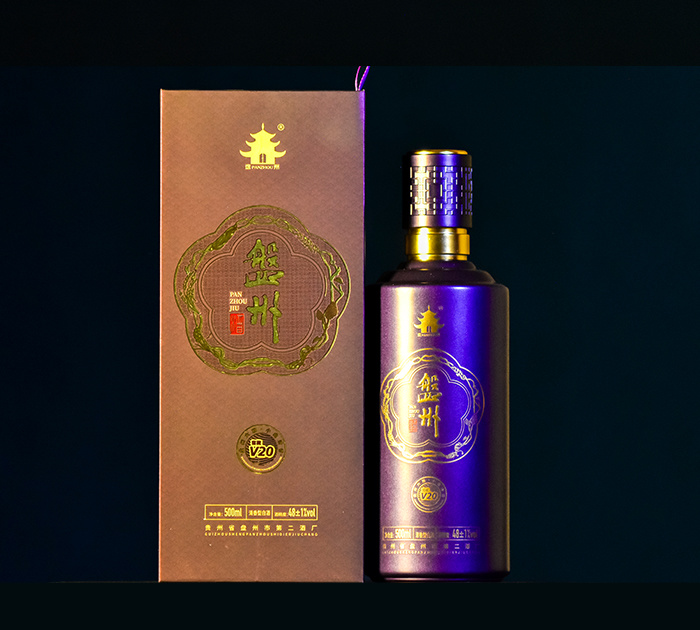
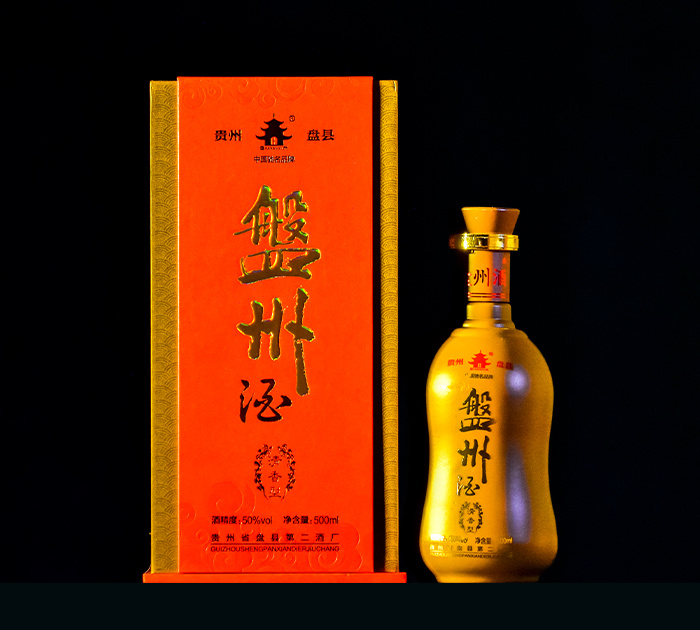
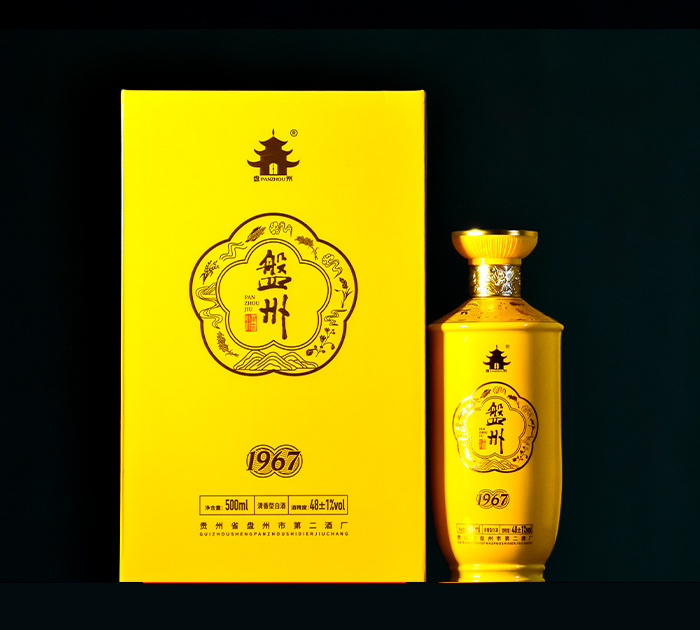
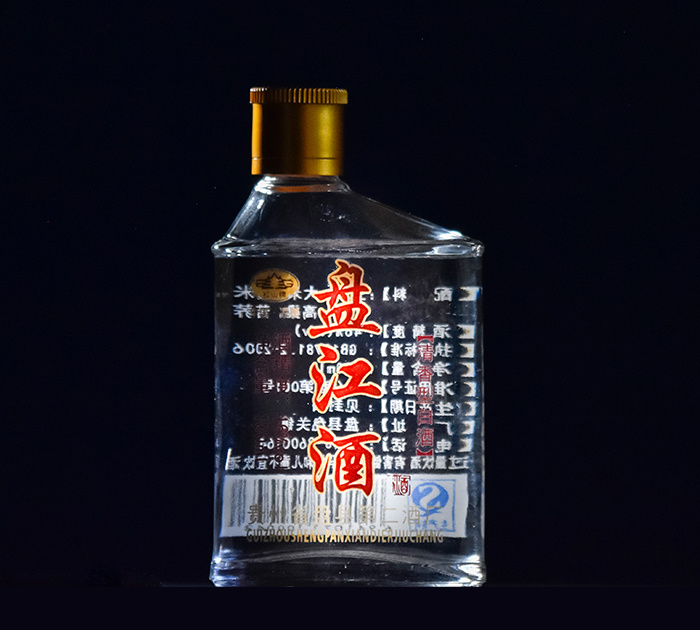
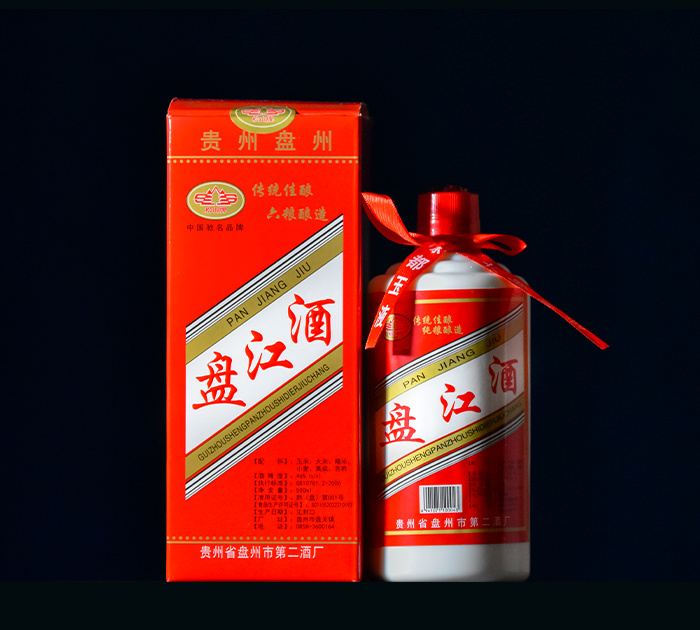
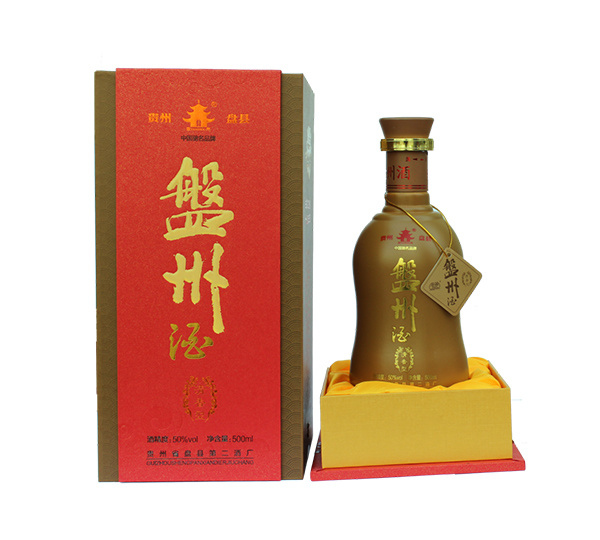
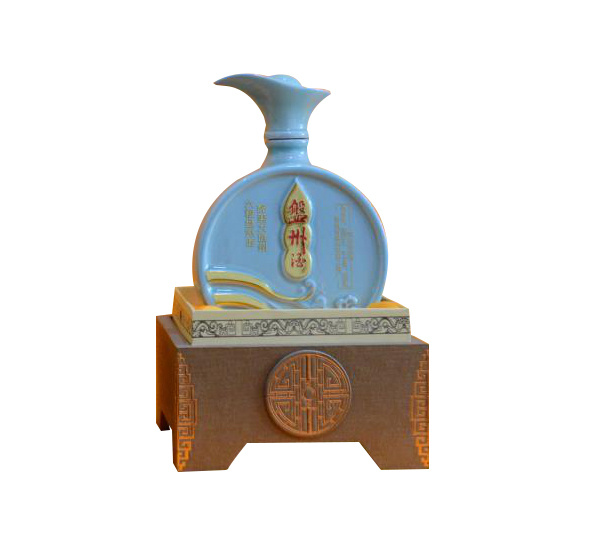
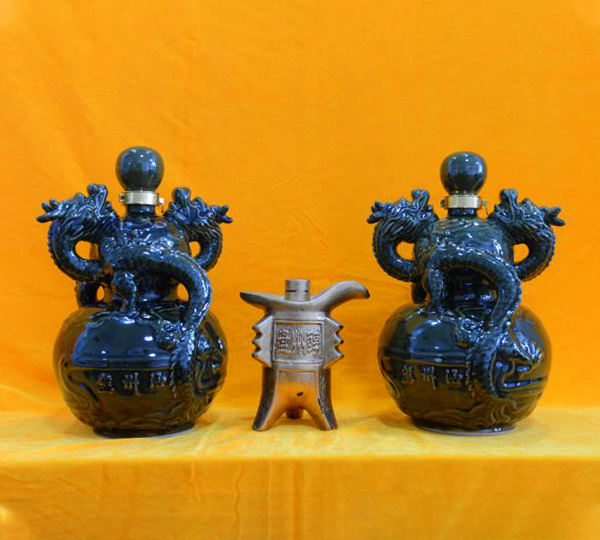
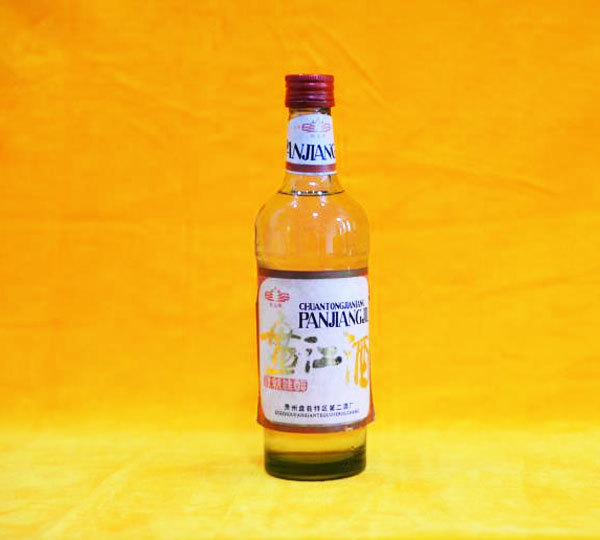
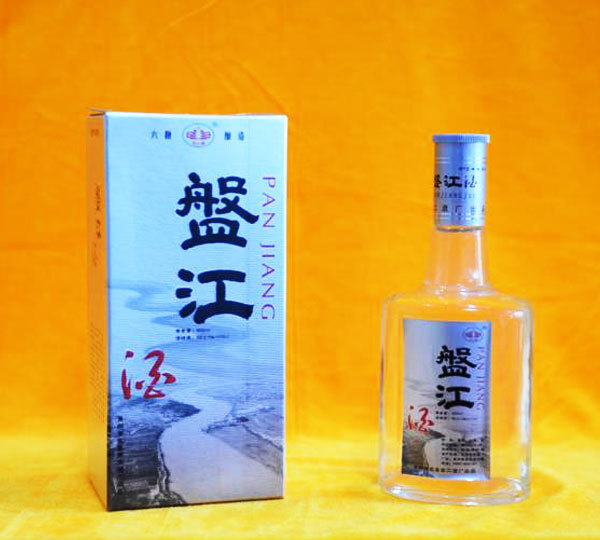
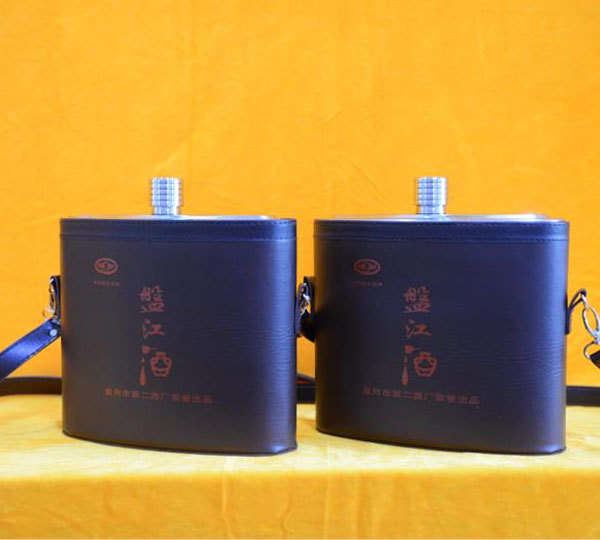
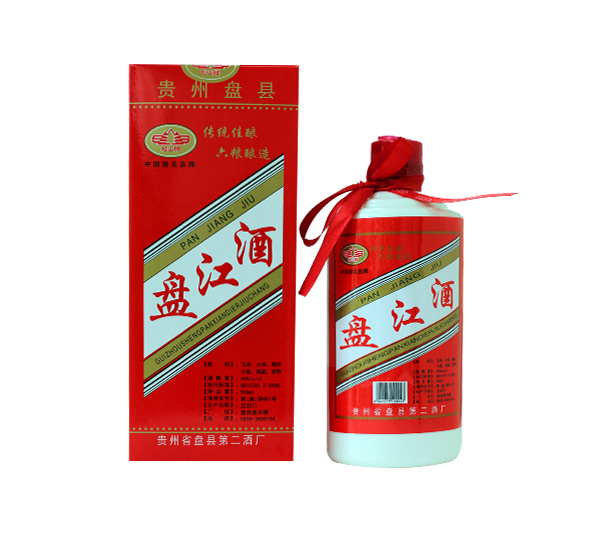

The Second Winery of Panzhou City, Guizhou Province, is located in Panguan Town, Panzhou City, Guizhou Province. Originally known as the Local State-Run Panyan County Second Winery and the Guizhou Province Panyan County Second Winery, it sits between the Sanjiaoshu Mine and the Yueliangtian Mine of Panjiang Coal & Electricity Group, covering an area of more than 40 mu...

Follow us
Copyright © 2023 Guizhou Panzhou No.2 Winery All rights reserved