


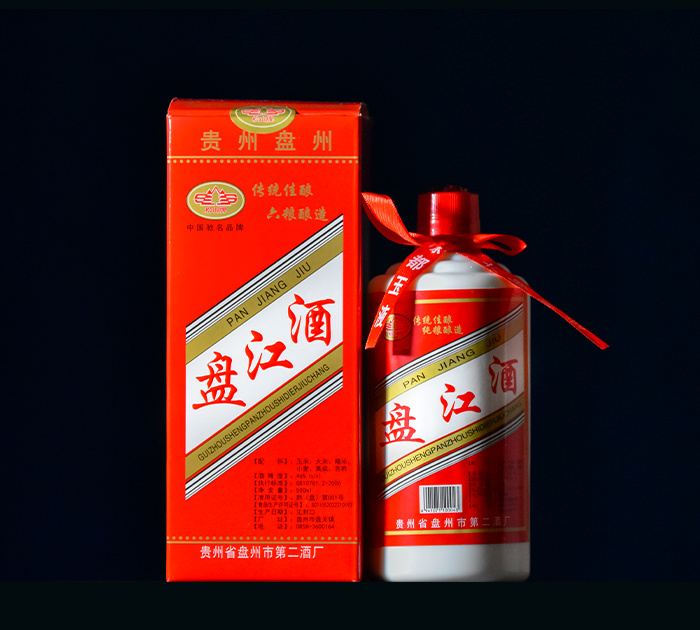
1*24 Panjiang Wine
After years of competition, the three main aroma types that have firmly established themselves in China’s baijiu market are the strong-aroma (nongxiang), light-aroma (qingxiang), and sauce-aroma (jiangxiang) styles—each backed by prominent brands vying for market share. Among these, the strong-aroma type holds the largest slice of the pie, thanks to its widespread popularity among consumers, which has even earned it the nickname “Strong-Aroma Reigns Supreme.” The sauce-aroma style, meanwhile, owes much of its success to its association with influential historical figures, securing a notable presence in the market. Meanwhile, the light-aroma baijiu, celebrated for its pure, refreshing fragrance, smooth sweetness, harmonious balance, and clean, lingering finish, has long been cherished—especially in northern China and particularly among older consumers. Despite its rich heritage and health-promoting qualities, this style has struggled recently, capturing only a modest portion of the overall market. But how did the light-aroma baijiu once enjoy such prominence? At one point, it boasted a broad and loyal consumer base, especially in northern regions and among elderly drinkers. Unfortunately, due to delays in embracing innovative ideas and slower adoption of technological advancements, marketing efforts failed to highlight the unique appeal of light-aroma baijiu. Ad campaigns didn’t emphasize its refined elegance, pricing strategies didn’t reflect its premium quality, and distribution channels weren’t tailored to target its core audience. As a result, while the strong-aroma category continued to thrive amid rapid technological progress and robust sales growth, light-aroma baijiu found itself steadily losing ground—leading to its shrinking share in an increasingly competitive market landscape.
fragrance type:
Light and Fragrant Type
Alcohol by Volume:
53% vol
raw material:
Corn, rice, glutinous rice, sorghum, wheat, tartary buckwheat, and more
Place of Origin:
Panzhou City, Guizhou Province
Storage conditions:
Store in a dry, well-ventilated, cool, and clean environment.
Category:
After years of competition, the three major aroma types that have firmly established themselves in China’s baijiu market are primarily the strong-aroma, light-aroma, and sauce-aroma styles—each backed by prominent brands that dominate their respective segments. Among these, the strong-aroma type holds the largest market share, thanks to its widespread popularity among consumers, which has even given rise to the phrase "Strong-Aroma Reigns Across the Land." The sauce-aroma style, meanwhile, emerged as a result of its association with influential historical figures, carving out a notable niche for itself. Meanwhile, the light-aroma baijiu, celebrated for its pure, refreshing fragrance, smooth sweetness, harmonious balance, and clean, lingering finish, has enjoyed a long-standing tradition—but its health benefits remain relatively modest. Despite its rich history, this style currently holds a significant foothold in northern China. As one of the leading aroma types in the baijiu market, light-aroma baijiu has struggled in recent years, while strong-aroma varieties continue to thrive, proudly displayed in an impressive array on store shelves.
Why does the Qingxiang-style liquor hold such a small share in the vast "market cake"—is it because its flavor simply isn’t appealing to consumers? Yet, Qingxiang-style baijiu once enjoyed a golden era, boasting a broad and loyal following, especially among older adults and in northern regions. Unfortunately, due to delayed innovation and slow adoption of technological advancements, marketing efforts failed to highlight the unique appeal of Qingxiang-style liquor. Meanwhile, discussions about its cultural essence didn’t emphasize the style’s refined and elegant character, pricing strategies overlooked the distinct quality that sets it apart, and market strategies didn’t target the specific consumer groups most likely to appreciate it. As a result, as strong-flavor baijiu continued to advance technologically and thrive in production and sales, Qingxiang-style liquor steadily lost ground—leading to its shrinking presence in the ever-growing "market cake."
Keywords:
Panzhou No.2 Winery, Panzhou Wine, Panjiang Wine, Maotai Town Wine, Maotai Town Sauce-Aroma White Liquor, Guizhou Wine
Previous page
Next page
*Note: Please ensure all information is accurate and keep your contact details up to date—we’ll reach out to you as soon as possible.
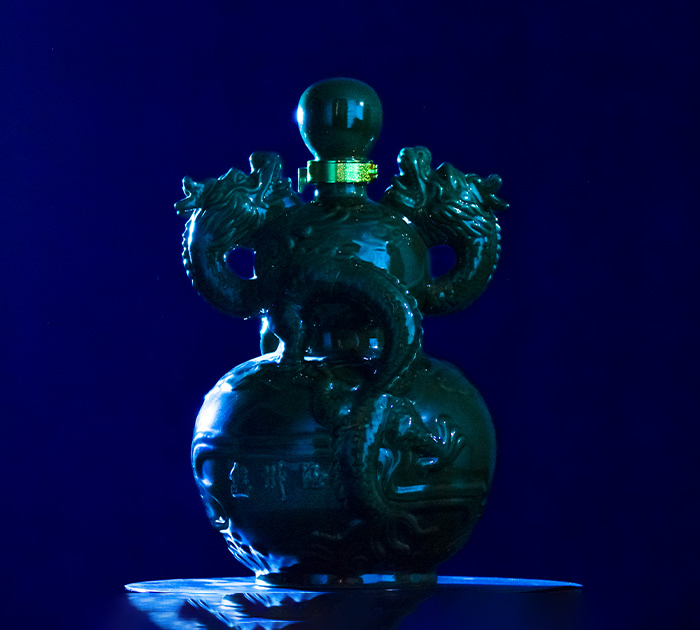
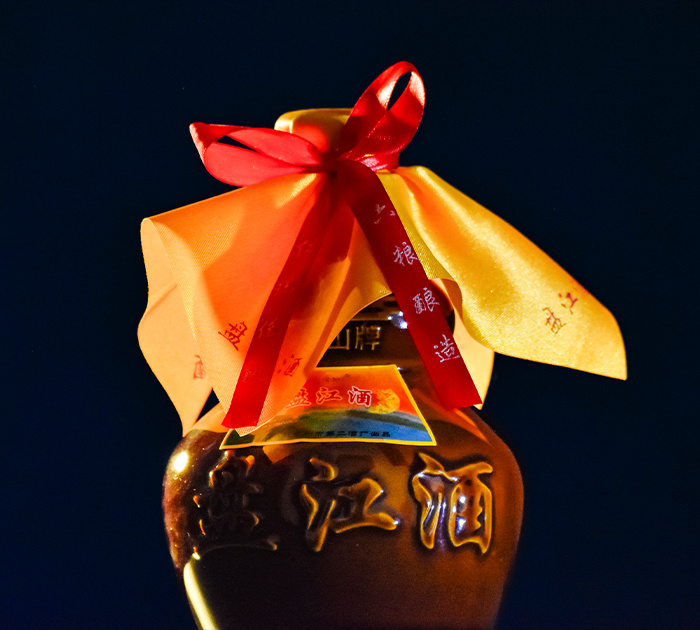
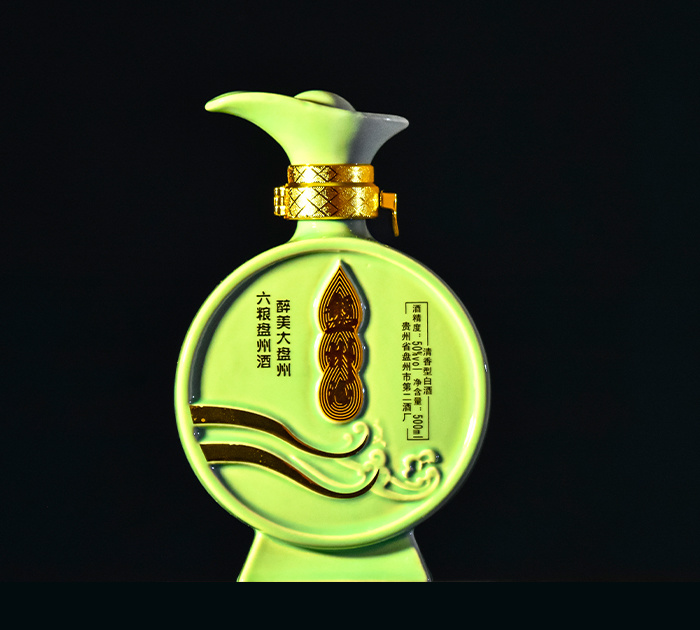
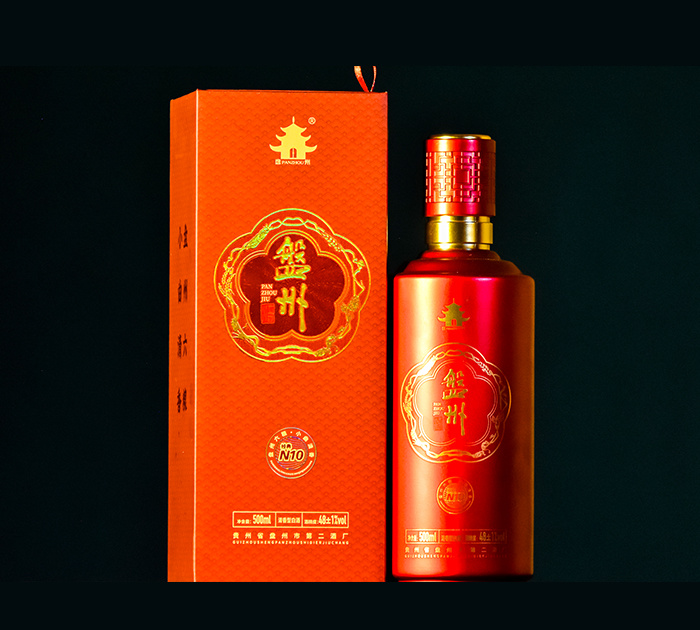
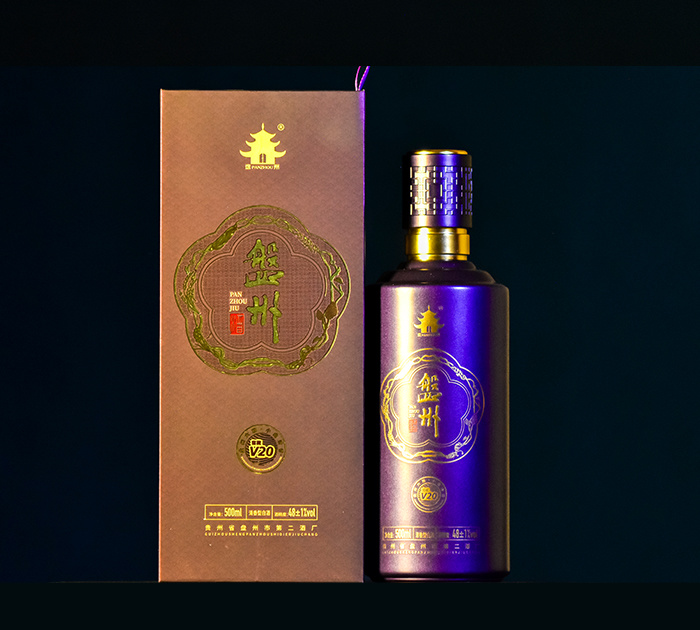
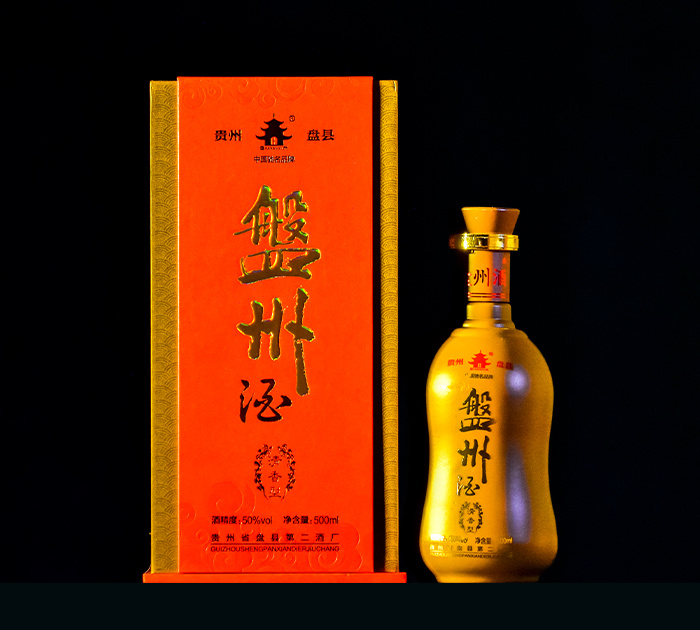
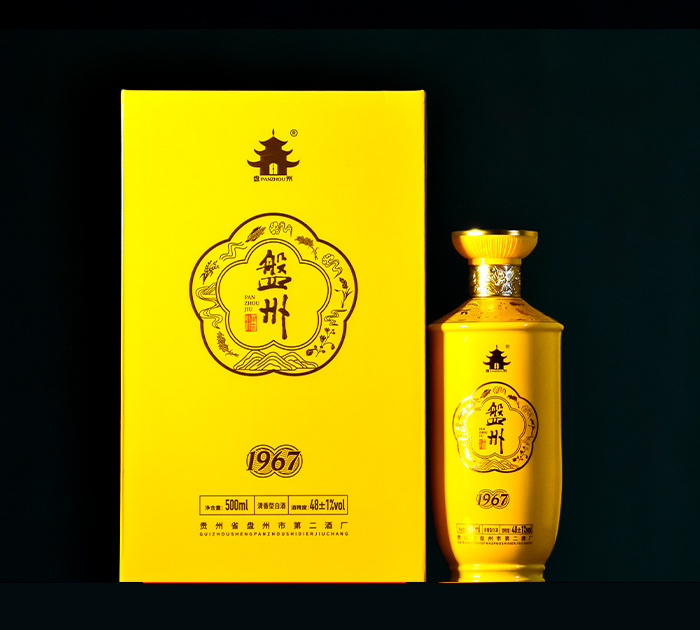
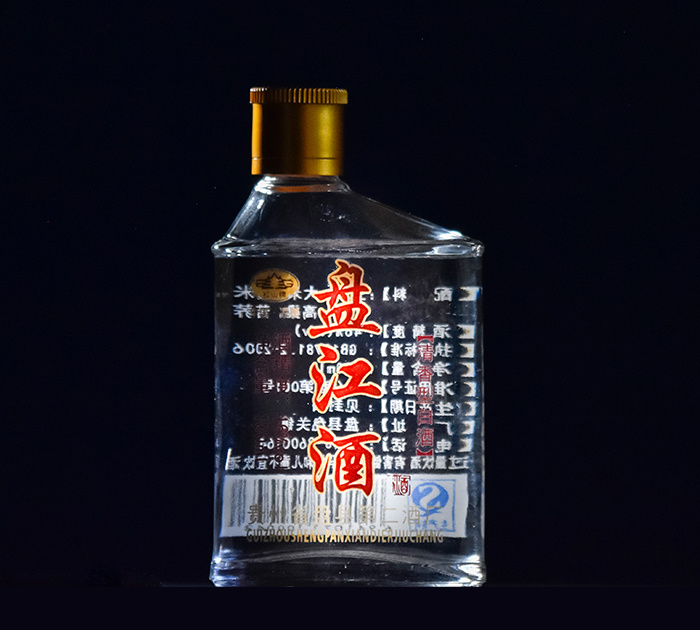
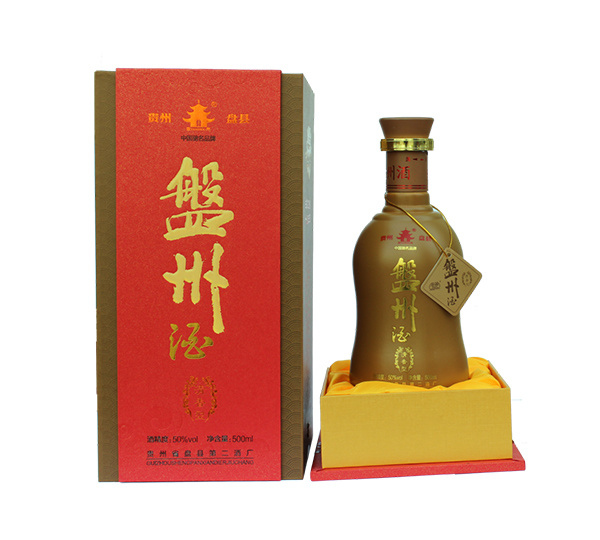
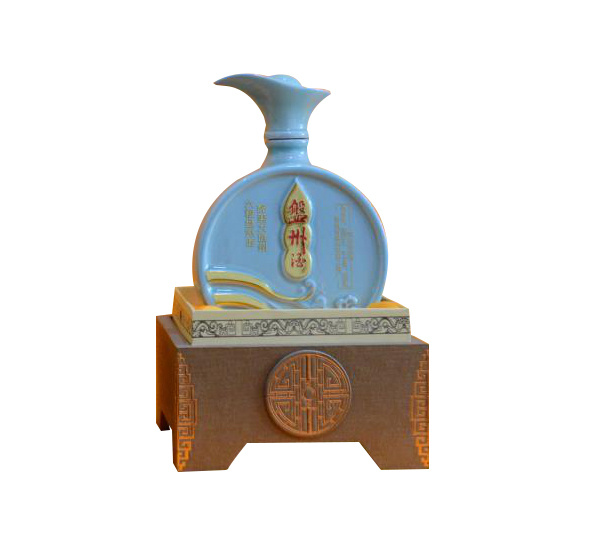
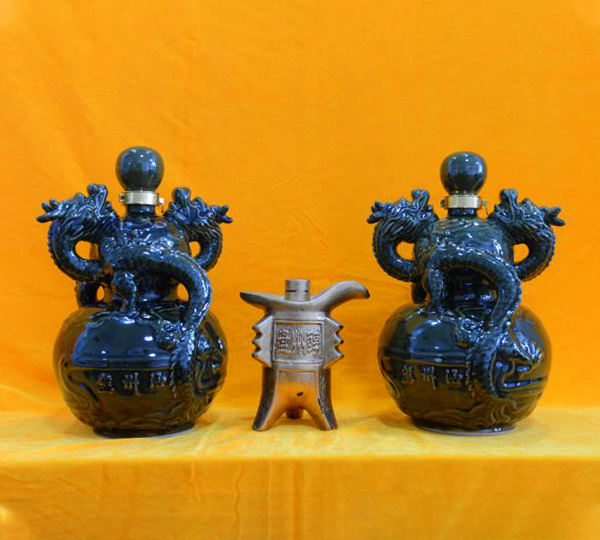
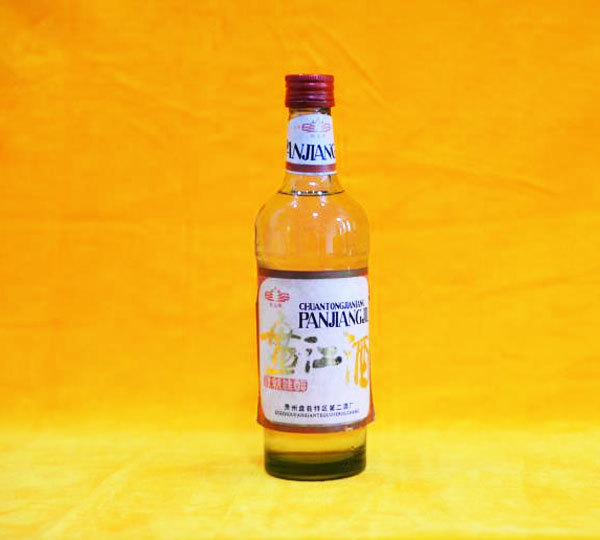
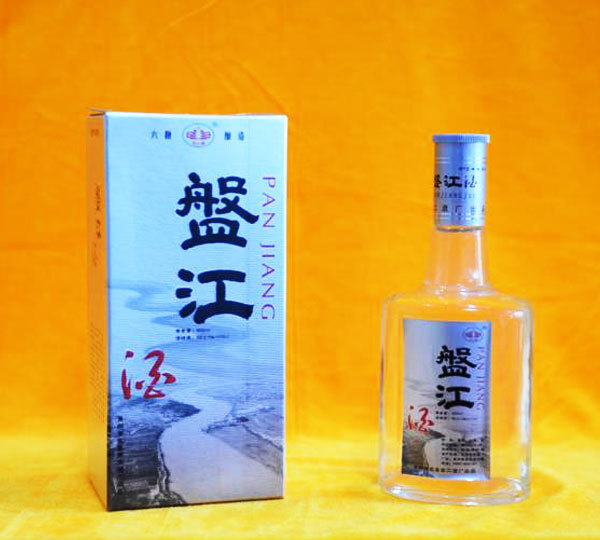
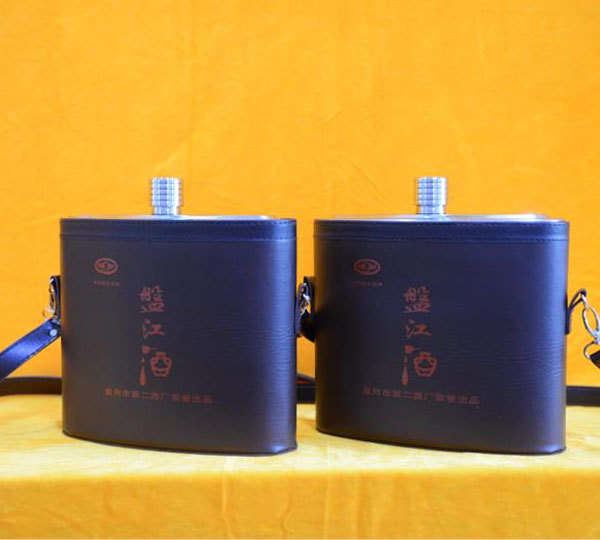
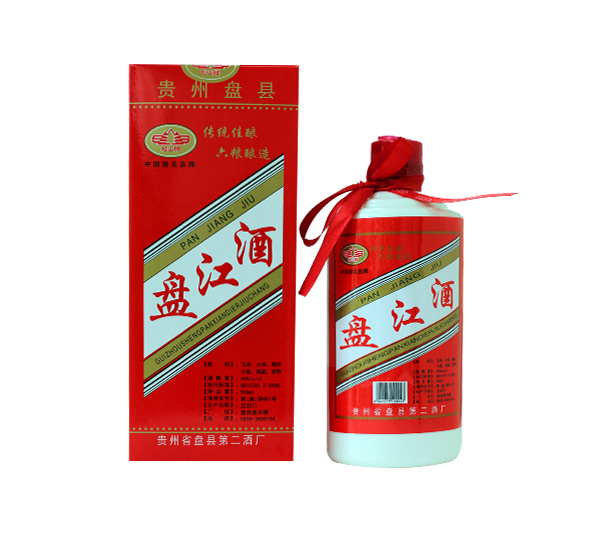

The Second Winery of Panzhou City, Guizhou Province, is located in Panguan Town, Panzhou City, Guizhou Province. Originally known as the Local State-Run Panyan County Second Winery and the Guizhou Province Panyan County Second Winery, it sits between the Sanjiaoshu Mine and the Yueliangtian Mine of Panjiang Coal & Electricity Group, covering an area of more than 40 mu...

Follow us
Copyright © 2023 Guizhou Panzhou No.2 Winery All rights reserved