

Panzhou City Second Winery
Small-batch sauce-aroma, pure-grain brewed
During the Third Front Construction period, Panzhou built a winery that now boasts over 50 years of history...
Release date:
2021-09-24 11:36
Source:
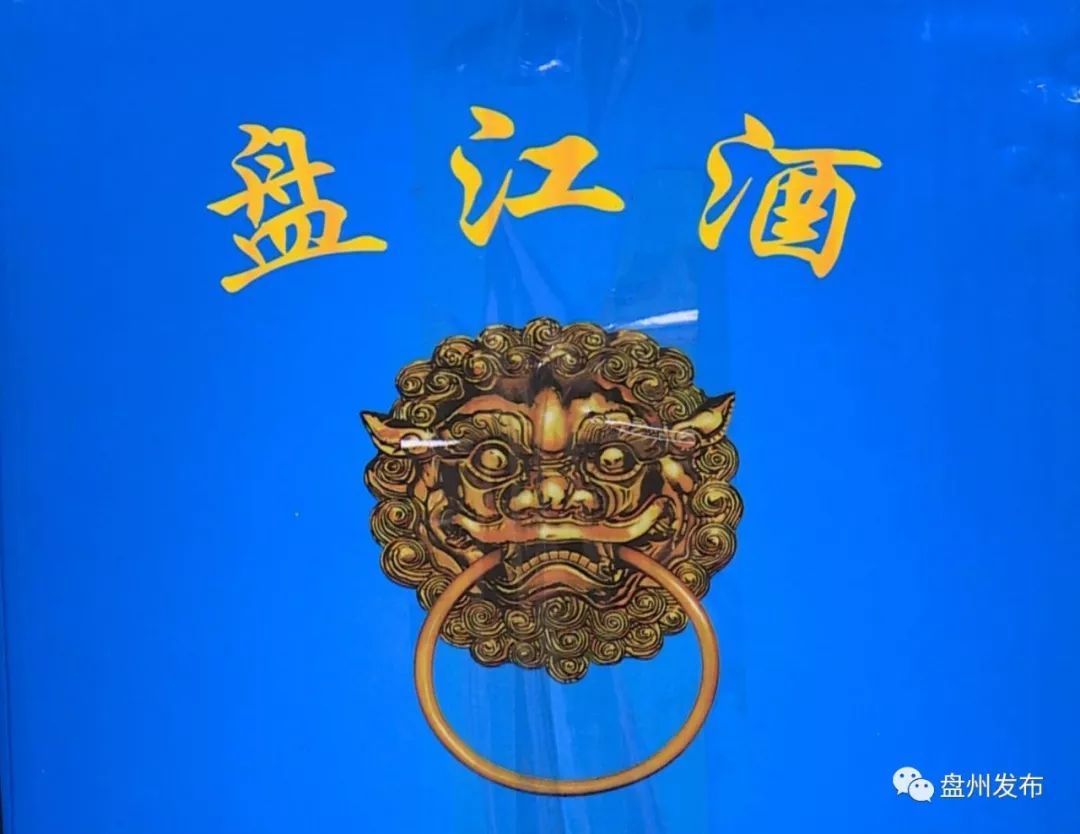
(Reported by Wan Li, Ma Kangtuo, and Wang Hengxuan) In the depths of winter, workers at the packaging workshop of Panzhou City’s No. 2 Winery are bustling about sealing and wrapping Panjiang liquor. Established in 1967, this winery boasts a history spanning more than 50 years. Emerging from the "Third Front Construction" era, the Panzhou City No. 2 Winery has continuously strengthened its Party-building leadership, driving substantial business growth and achieving steady sales increases for many consecutive years. Located in Panguan Town, Panzhou City, the winery sits between the Sanjiaoshu Mine and the Yueliangtian Mine of Panjiang Coal & Electricity Group. It employs the traditional solid-state brewing method, using six types of grains to craft its signature product—known as "Six-Grain Panjiang Liquor"—with an annual production capacity reaching 420 tons. The establishment of this winery is deeply intertwined with the legacy of the "Third Front Construction." “During the Third Front Construction period, the winery was built right between the Sanjiaoshu Mine and the Yueliangtian Coal Mine,” explained factory director Su Feng. “At that time, miners working underground were often exhausted and exposed to damp, chilly conditions. Building this winery provided them with access to high-quality liquor—helping to relieve rheumatism, dispel coldness, and boost their body heat.”

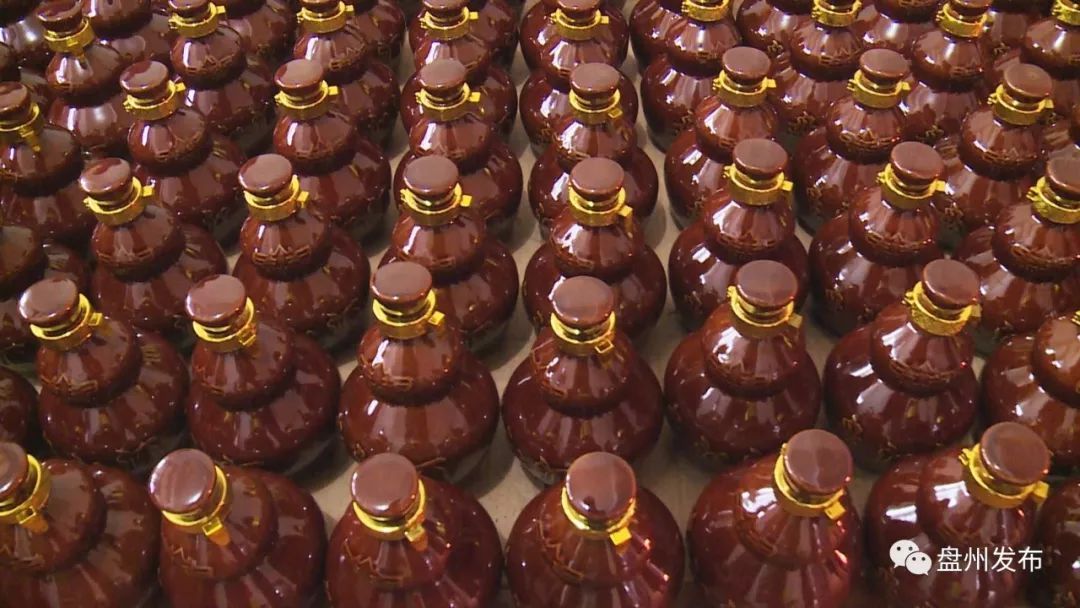
(Wan Li, Ma Kangt, and Wang Hengxuan report) In the depths of winter, workers at the packaging workshop of Panzhou City’s Second Distillery are bustling about sealing and wrapping Panjiang liquor. Established in 1967, the distillery boasts a history spanning more than 50 years. Emerging from the "Third Front Construction Era," Panzhou City’s Second Distillery has steadily strengthened its Party-building leadership, driving robust business growth and achieving consecutive years of rising sales.
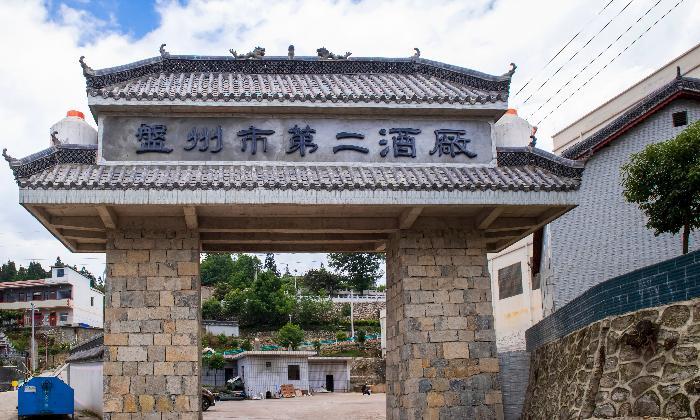
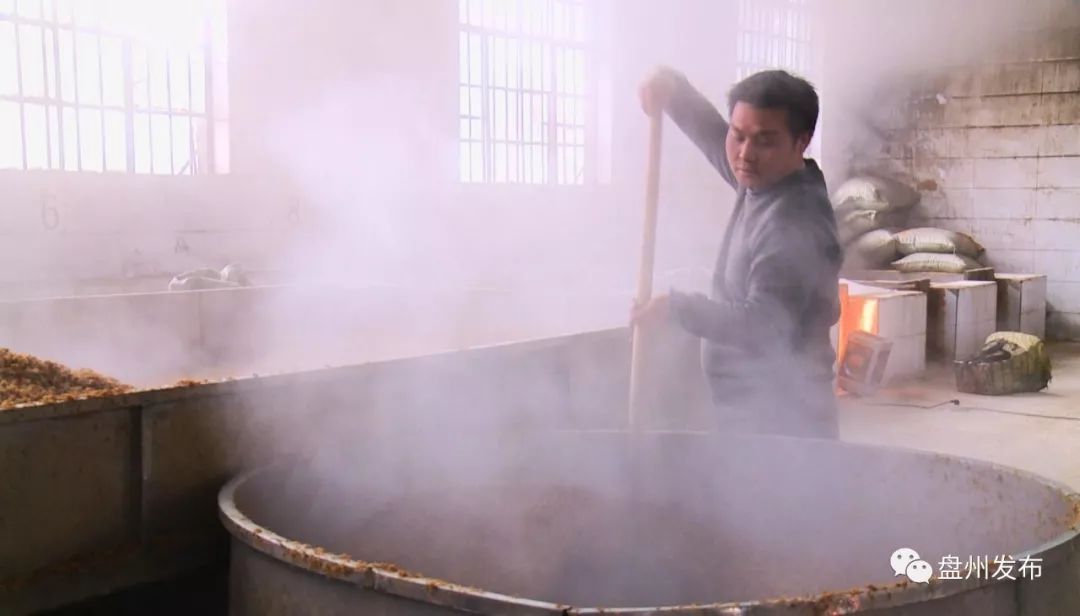
The Second Winery of Panzhou City is located in Panguan Town, Panzhou City, nestled between the Sanjiaoshu Mine and the Yueliangtian Mine of Panjiang Coal & Electricity Group. The winery employs a traditional solid-state brewing method, using six types of grains to create its signature product—known as "Six-Grain Panjiang Wine"—with an annual production capacity of 420 tons. Its establishment is deeply intertwined with the legacy of China's "Third Front Construction" initiative.
"During the Third Front construction period, the distillery was built between the Sanjiaoshu Mine and the Yueliangtian Coal Mine. Back then, the underground workers were already quite exhausted and had to endure the damp, chilly conditions deep beneath the surface. Building this distillery provided these hardworking miners with a much-needed drink—something that helped relieve rheumatism, combat coldness, and even boost their body heat," said factory director Su Feng.
Today, the winery employs a total of 24 staff members, 9 of whom are Communist Party members. These dedicated party members actively leverage their roles in Party building to unite everyone’s hearts and efforts, driving the company’s robust growth. As of now, Panzhou City’s Second Winery has contributed over 10 million yuan in tax revenue to the nation.
Keywords:
Panzhou No.2 Winery, Panzhou Wine, Panjiang Wine, Maotai Town Wine, Maotai Town Sauce-Aroma White Liquor, Guizhou Wine
Related News
What makes a baijiu considered good liquor?
When it comes to drinking alcohol, everyone naturally thinks of baijiu—among the elders and loved ones around us, there’s a deep, irreplaceable passion for this traditional liquor.
How can you tell the difference between blended liquor and distilled liquor?
Consumers know that grain-based liquor is superior, but over 95% of them can’t tell the difference between alcohol-based liquor and grain-based liquor. With so many types of alcoholic beverages on the market, how can we properly identify grain-based liquor from blended or fortified wines? Let’s explore these methods next.
Why is Daqu Jiangxiang liquor so expensive?
Daqu sauce-aroma liquor is also among the relatively expensive varieties—so what makes it so pricey?
Brewing Techniques: Kunsha, Suisha, Fansha, and Chuanxiang
In fact, there are many subtle distinctions within the category of *jiangxiang*-style baijiu, each influencing the liquor's unique texture and flavor profile. These distinctions can be broadly categorized into four distinct production methods: Kunsha, Suisha, Fansha, and Chuanxiang. But how does each of these methods shape the final taste and character of the sauce-aroma spirit?
According to a statement released by the China Alcoholic Industry Association on May 31, while the pandemic has not yet fully subsided, the baijiu industry is already seeing widespread price increases.
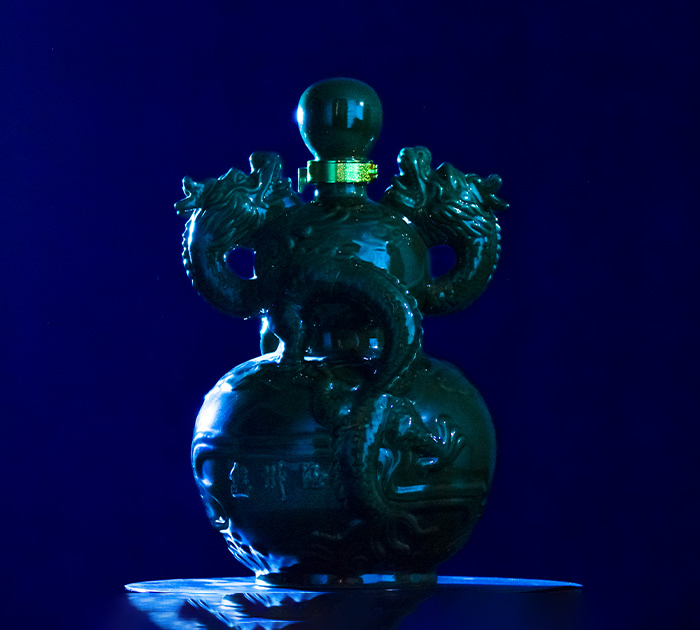
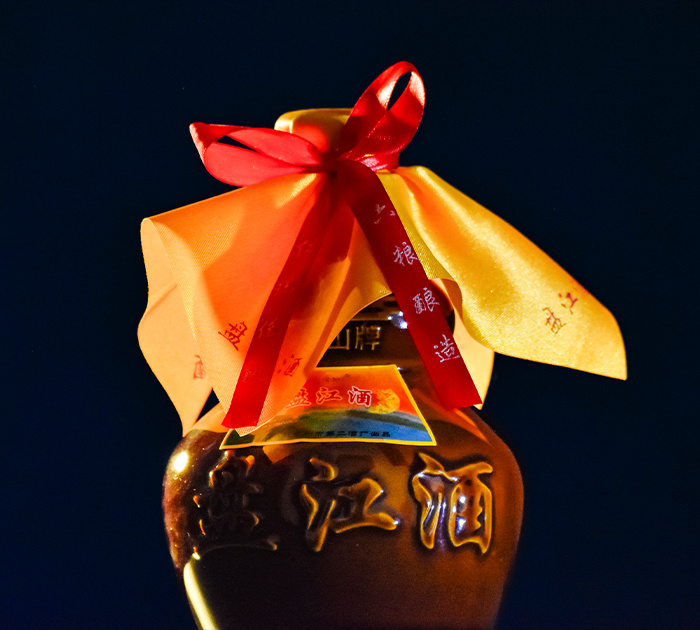
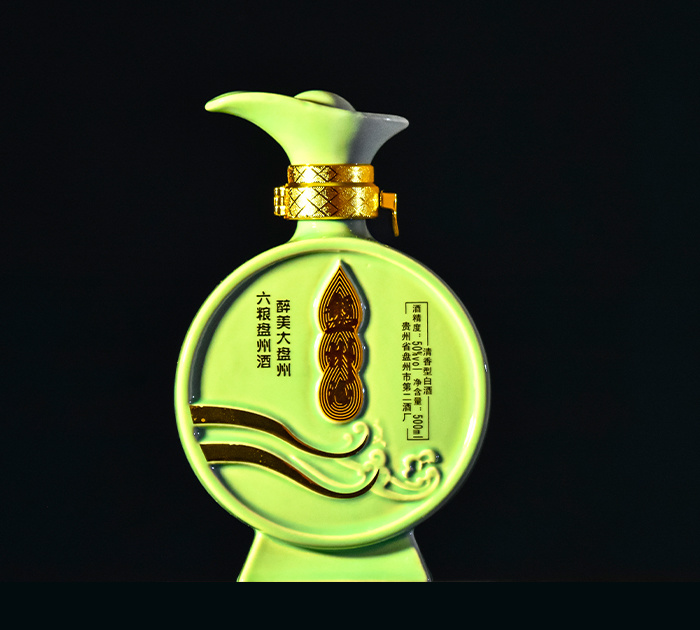
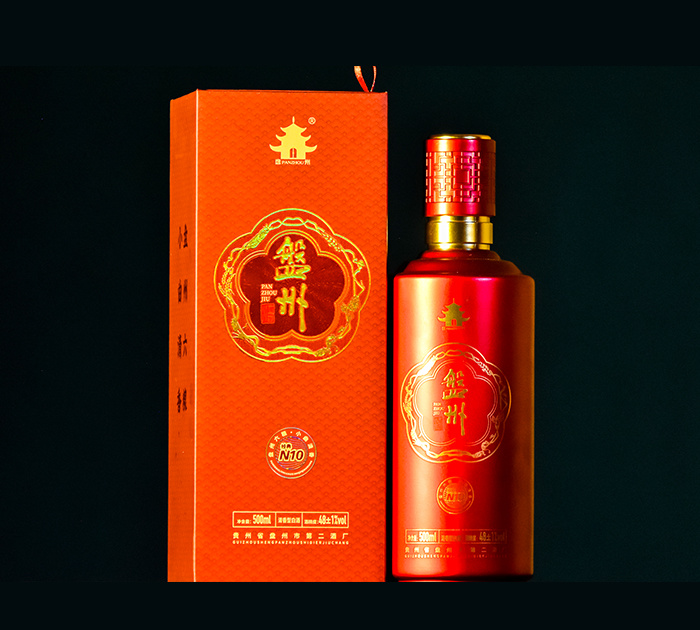
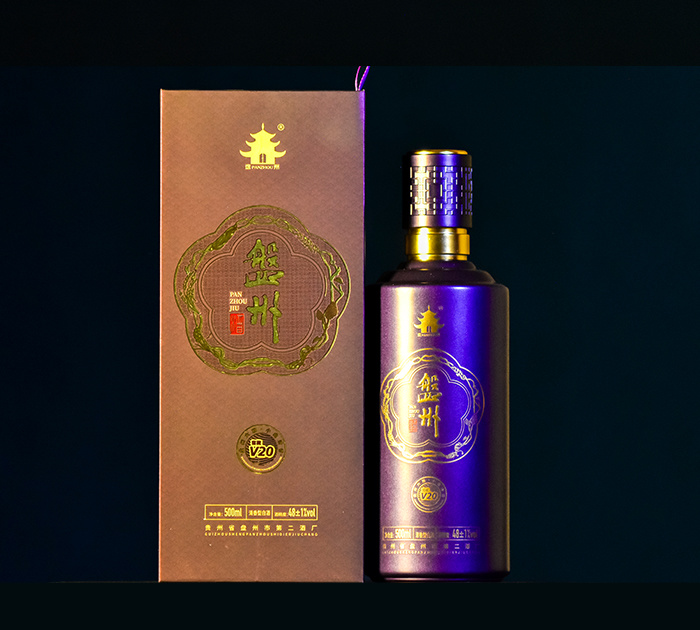
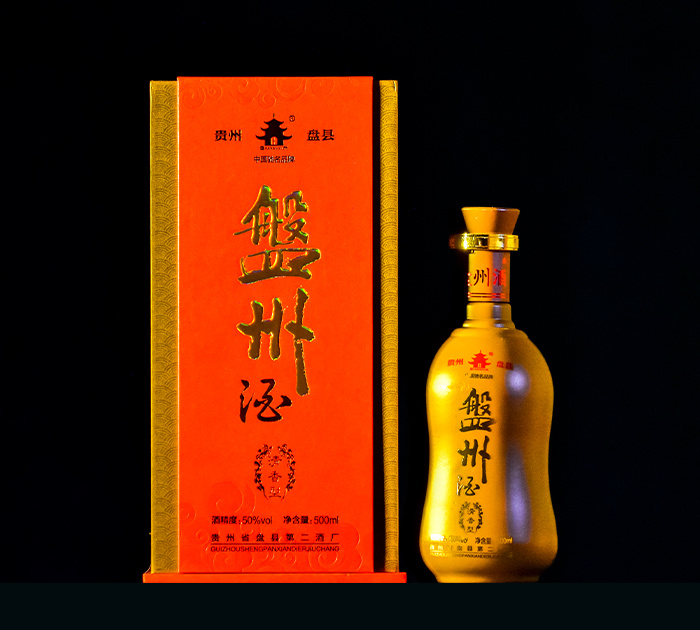
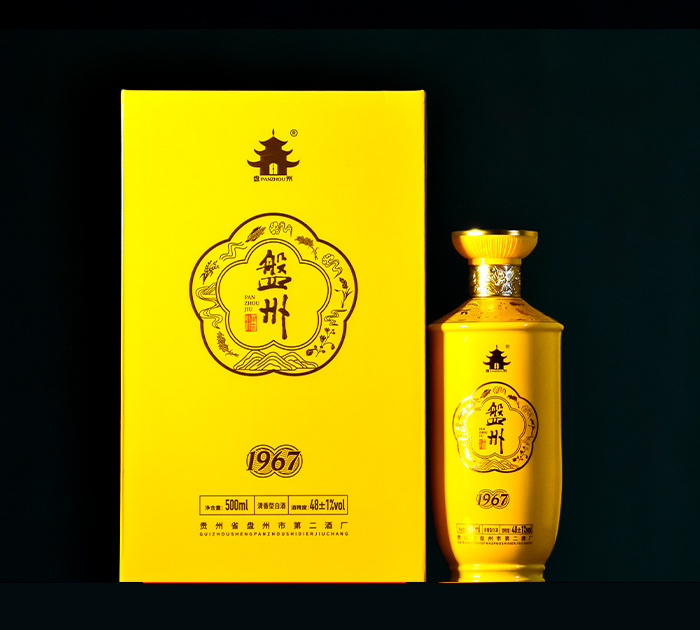
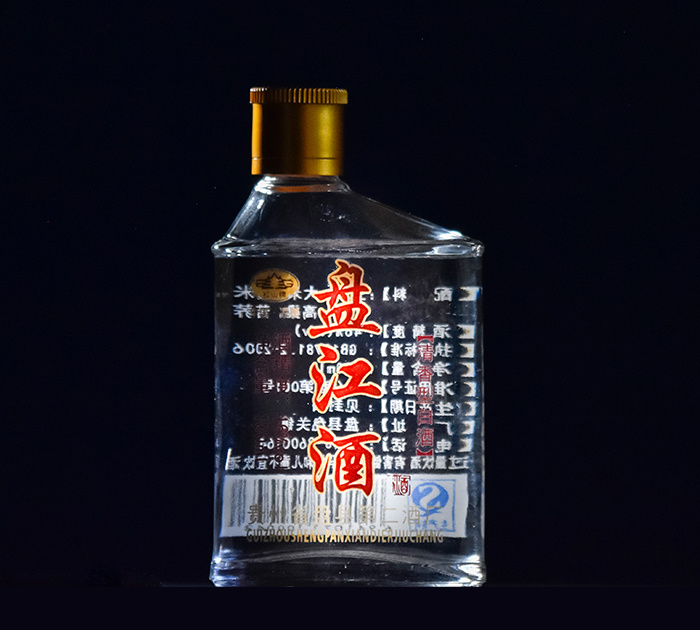
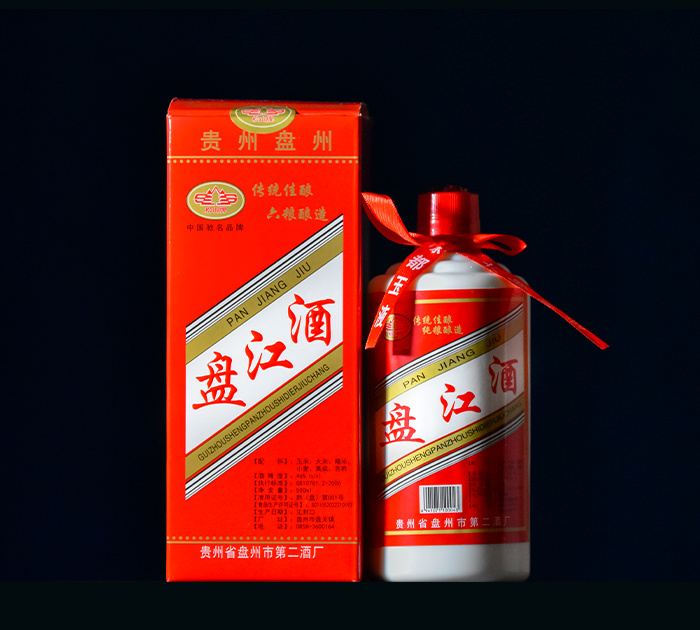
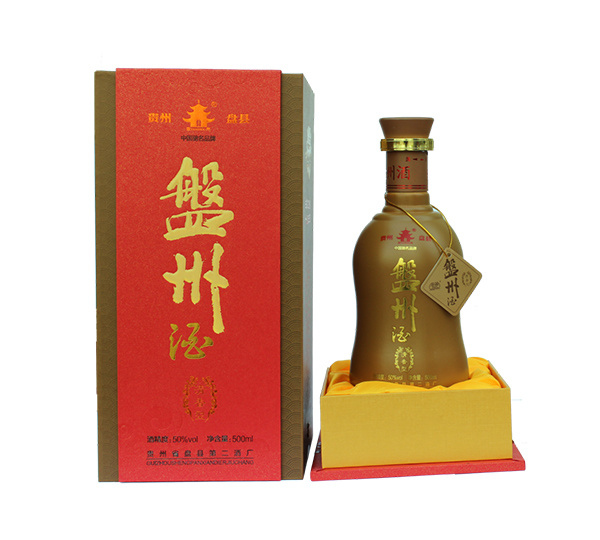
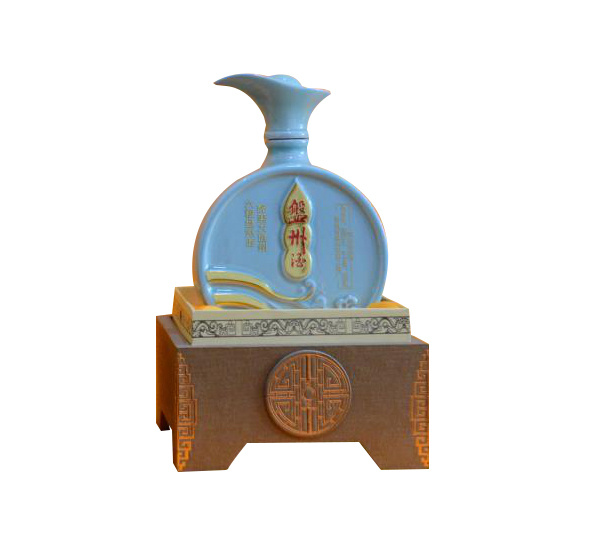
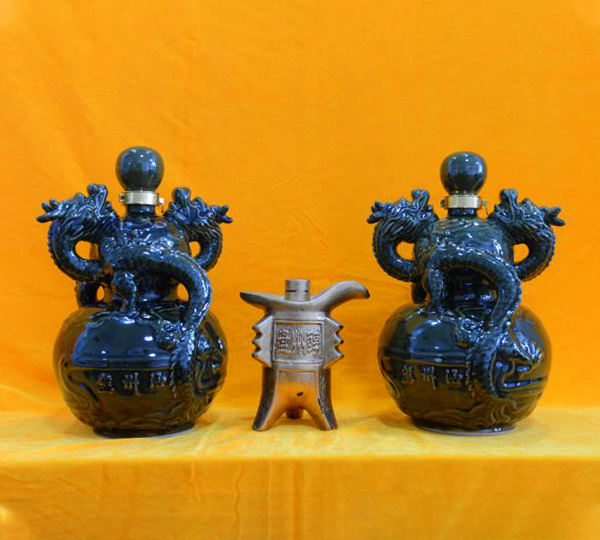
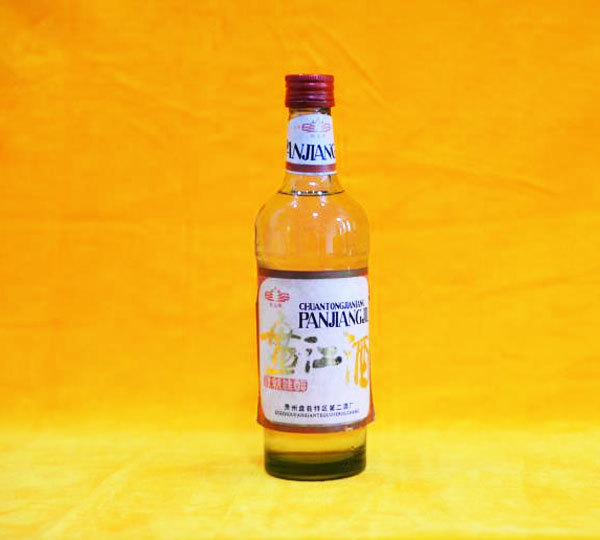
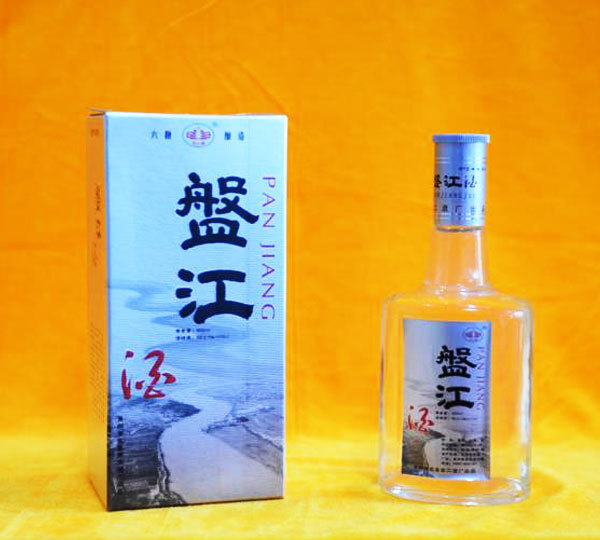
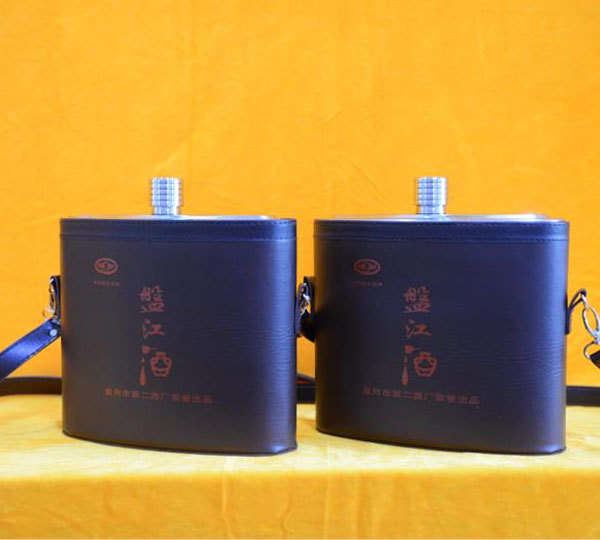
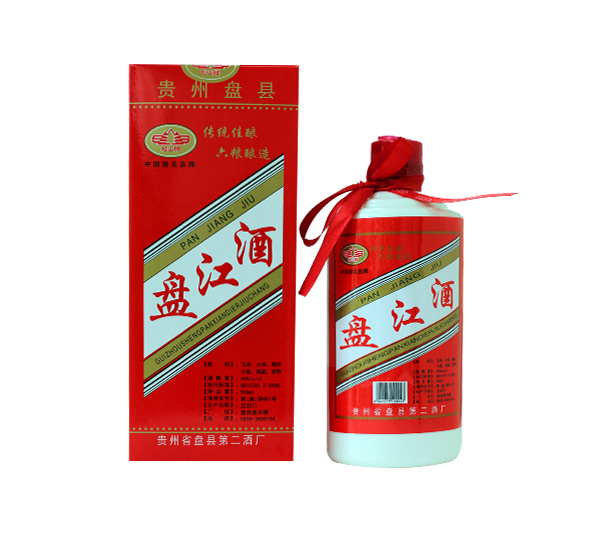

The Second Winery of Panzhou City, Guizhou Province, is located in Panguan Town, Panzhou City, Guizhou Province. Originally known as the Local State-Run Panyan County Second Winery and the Guizhou Province Panyan County Second Winery, it sits between the Sanjiaoshu Mine and the Yueliangtian Mine of Panjiang Coal & Electricity Group, covering an area of more than 40 mu...

Follow us
Copyright © 2023 Guizhou Panzhou No.2 Winery All rights reserved