

Panzhou City Second Winery
Small-batch sauce-aroma, pure-grain brewed
Why is Daqu Jiangxiang liquor so expensive?
Release date:
2021-09-23 12:06
Source:
Daqu sauce-aroma liquor is also among the relatively expensive varieties—so what makes it so pricey?
Daqu sauce-aroma liquor is also among the relatively expensive varieties—so what makes it so pricey?
1. Premium Raw Materials
Daqu sauce-aroma liquor is crafted using locally sourced Red Yingzi glutinous sorghum and winter wheat from Maotai Town, Guizhou Province. These grains are small in size, have thick husks, exhibit exceptional stickiness, and withstand multiple rounds of steaming and cooking—qualities that make them 3 to 4 times more expensive than ordinary sorghum. As authentic Daqu sauce-aroma liquor strictly relies on this premium sorghum variety, its production costs remain significantly higher.
2. Low alcohol yield
In Maotai Town, brewers have a traditional saying: "Five pounds of grain yield one pound of liquor." However, the yield for *Daqu* sauce-aroma liquor is quite low—just two ounces of alcohol can be produced from every pound of grain. In contrast, the yield for *Nongxiang*-style baijiu can reach over 45% of the original grain. Naturally, because such high-quality liquor is rare and precious, the price of *Daqu* sauce-aroma baijiu is bound to be substantial.
3. Many Processes
Daqu sauce-aroma liquor involves a complex production process that spans an extended period. Starting from the raw grains, it undergoes "nine rounds of steaming and cooking, eight rounds of fermentation, and seven distillations," taking a full year to complete. Afterward, the spirit is aged in cellars for five more years before being blended and refined. As a result, it takes at least five years from start to finish before a bottle of this premium sauce-aroma liquor can finally reach the market. This meticulous process—characterized by "one brewing cycle per year and one release every five years"—results in significantly higher production and storage costs along the way.

4. Difficulty in Imitation
To date, the main aroma compounds of Daqu Jiangxiang liquor remain unidentified, meaning its distinct style can only be achieved by blending liquors from different vintages, aroma types, and fermentation rounds. As a result, Daqu Jiangxiang liquor contains no added flavoring ingredients—such as colorants, sweeteners, or artificial fragrances—effectively ruling out the possibility of cutting production costs through chemical additives.
5. High Quality
Daqu sauce-aroma liquor boasts a slightly yellow, translucent appearance, with a distinct and robust sauce aroma. After pouring, the empty glass retains an even stronger, long-lasting fragrance that lingers without dissipating—plus, it’s gentle on the body after consumption. It offers exceptional quality at an excellent price, proving that premium products truly deserve their value.
6. Long-term storage
As time passes, Daqu sauce-aroma liquor develops a "mature aroma," which naturally enhances its characteristic "the older, the more fragrant" effect. Typically, aged sauce-aroma liquor boasts a slightly yellowish hue, a longer-lasting finish, a rich and robust mature flavor, superior quality—and, of course, a higher price tag.
Keywords:
Panzhou No.2 Winery, Panzhou Wine, Panjiang Wine, Maotai Town Wine, Maotai Town Sauce-Aroma White Liquor, Guizhou Wine
Previous page
Related News
What makes a baijiu considered good liquor?
When it comes to drinking alcohol, everyone naturally thinks of baijiu—among the elders and loved ones around us, there’s a deep, irreplaceable passion for this traditional liquor.
How can you tell the difference between blended liquor and distilled liquor?
Consumers know that grain-based liquor is superior, but over 95% of them can’t tell the difference between alcohol-based liquor and grain-based liquor. With so many types of alcoholic beverages on the market, how can we properly identify grain-based liquor from blended or fortified wines? Let’s explore these methods next.
Why is Daqu Jiangxiang liquor so expensive?
Daqu sauce-aroma liquor is also among the relatively expensive varieties—so what makes it so pricey?
Brewing Techniques: Kunsha, Suisha, Fansha, and Chuanxiang
In fact, there are many subtle distinctions within the category of *jiangxiang*-style baijiu, each influencing the liquor's unique texture and flavor profile. These distinctions can be broadly categorized into four distinct production methods: Kunsha, Suisha, Fansha, and Chuanxiang. But how does each of these methods shape the final taste and character of the sauce-aroma spirit?
According to a statement released by the China Alcoholic Industry Association on May 31, while the pandemic has not yet fully subsided, the baijiu industry is already seeing widespread price increases.
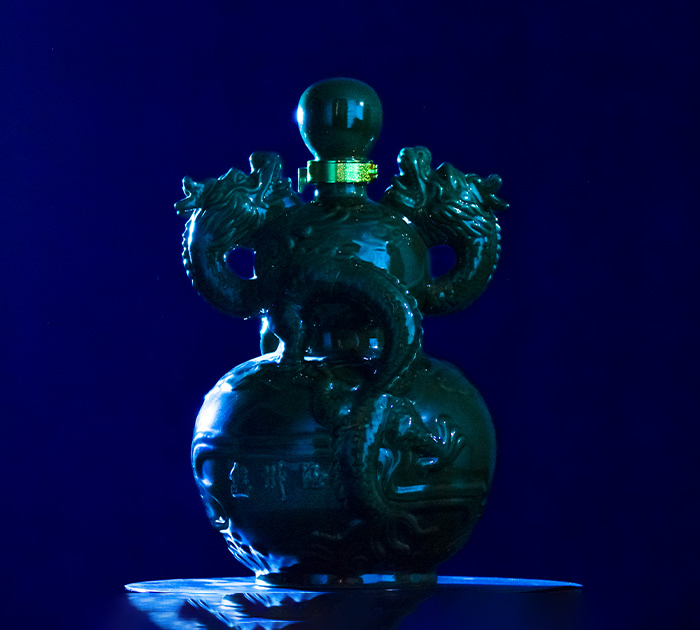
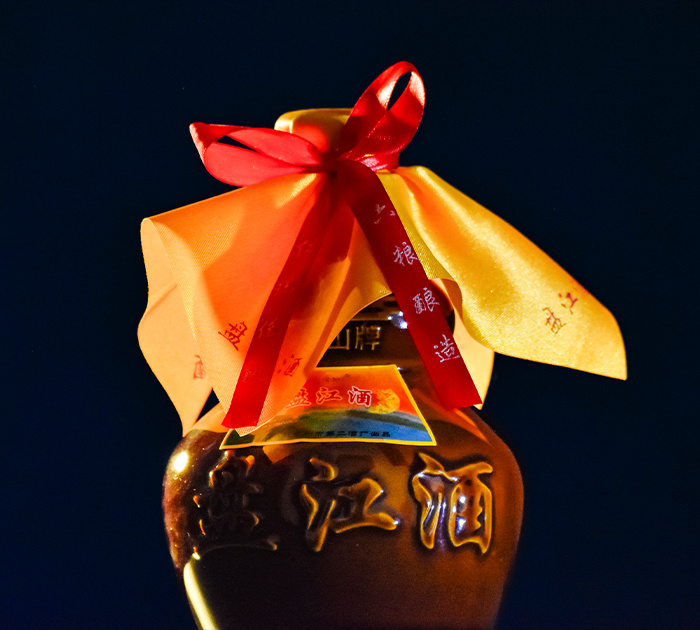
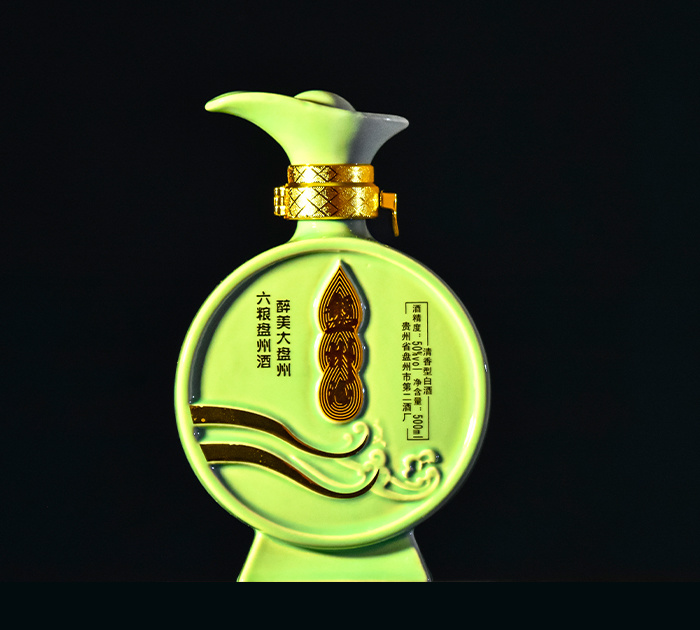
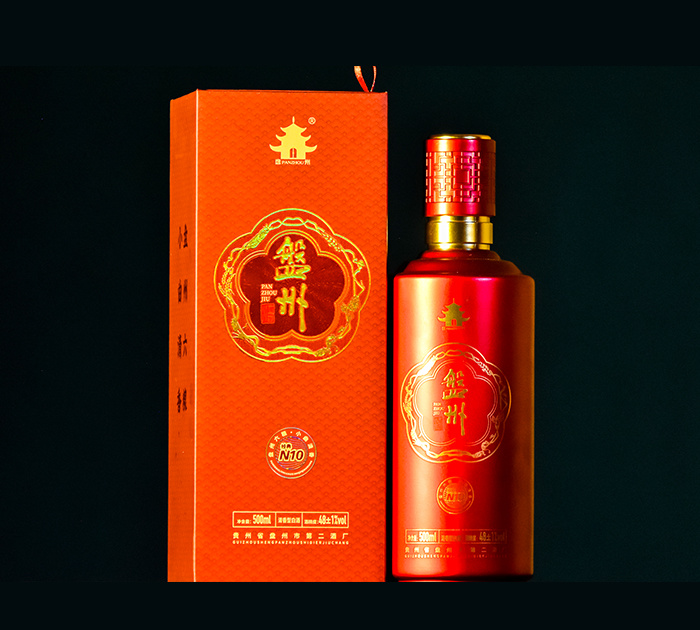
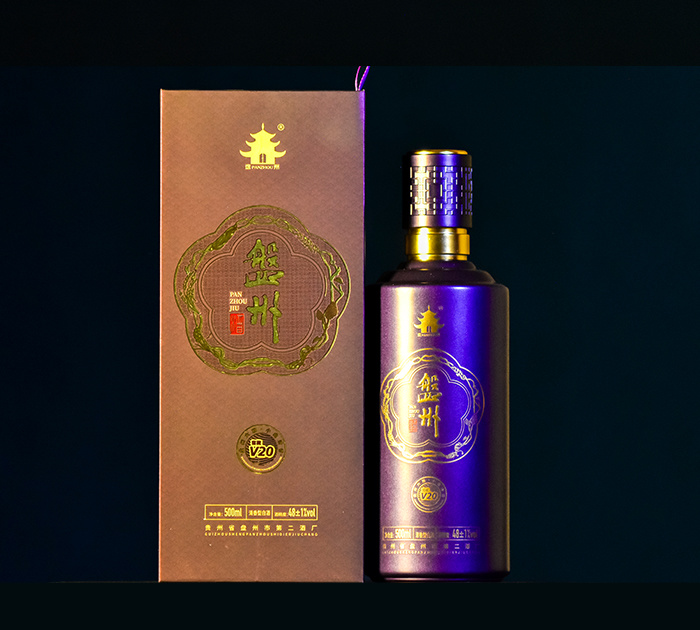
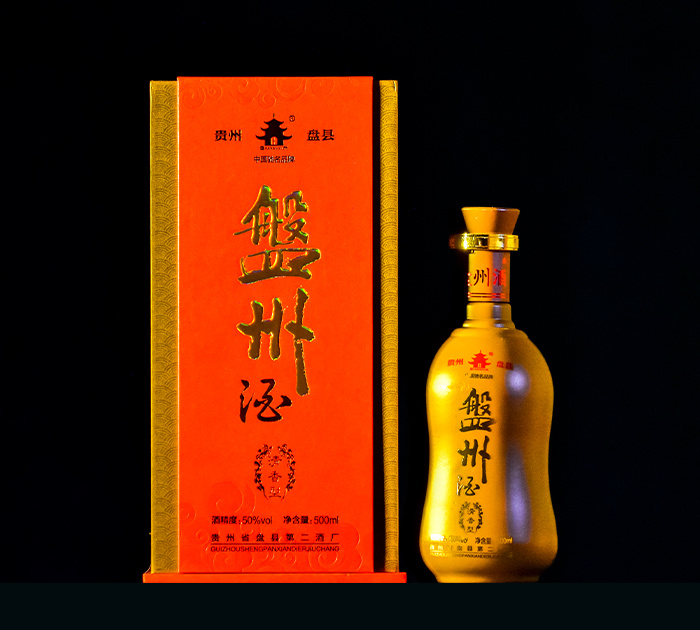
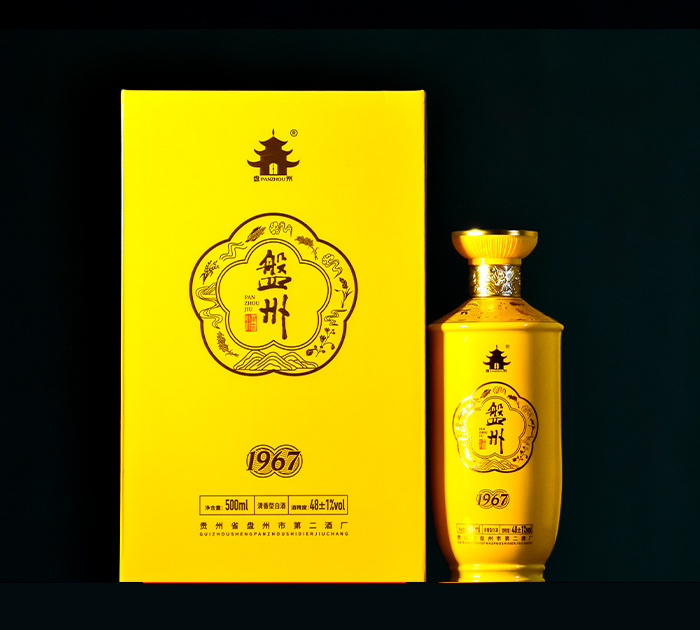
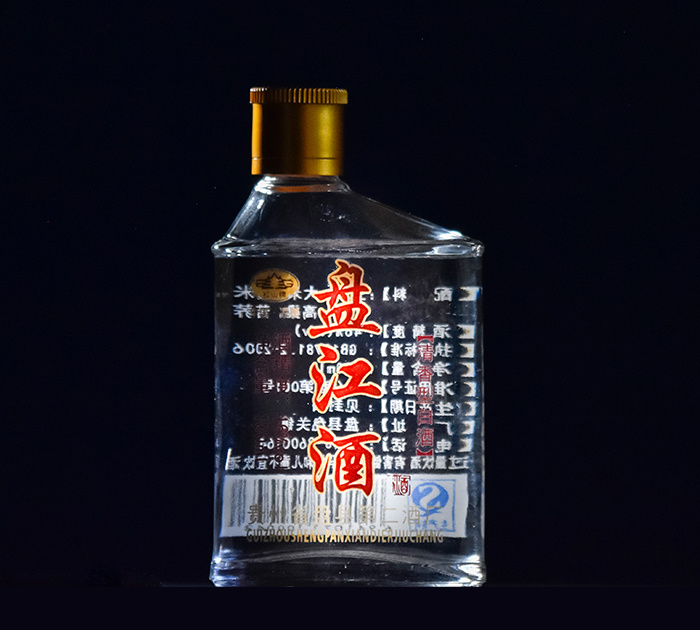
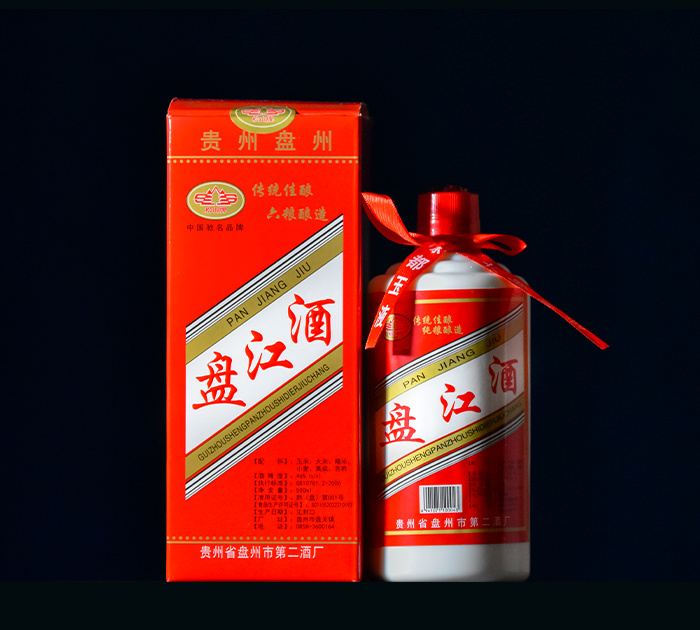
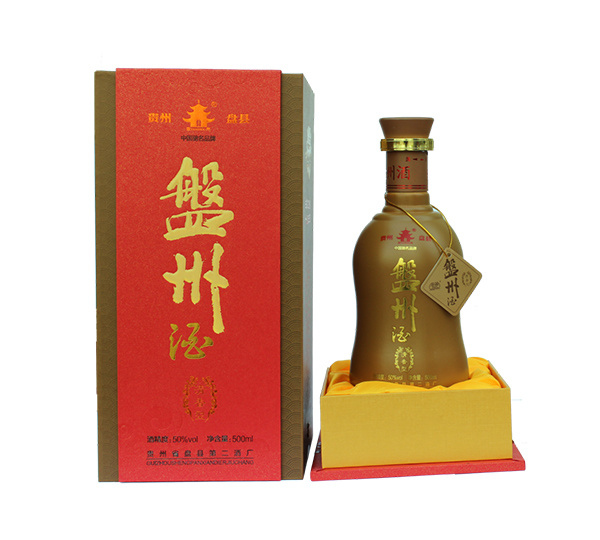
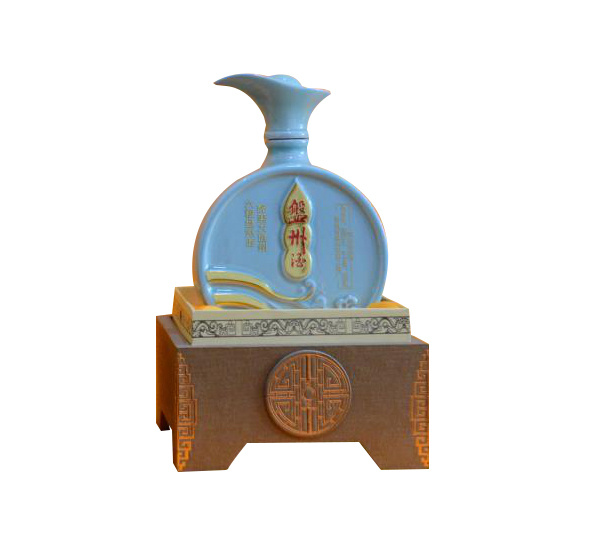
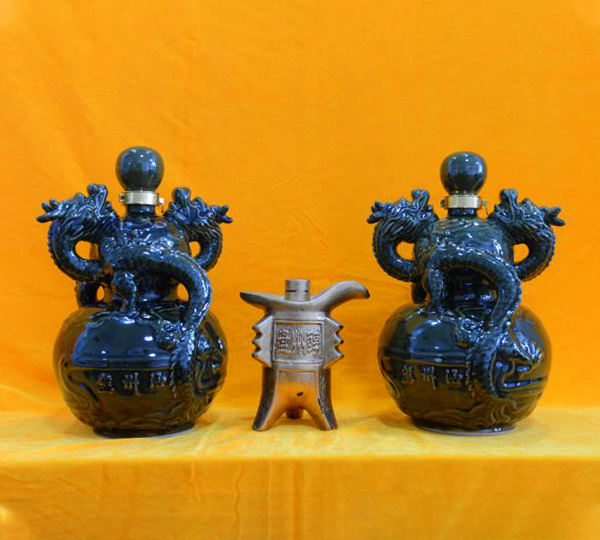
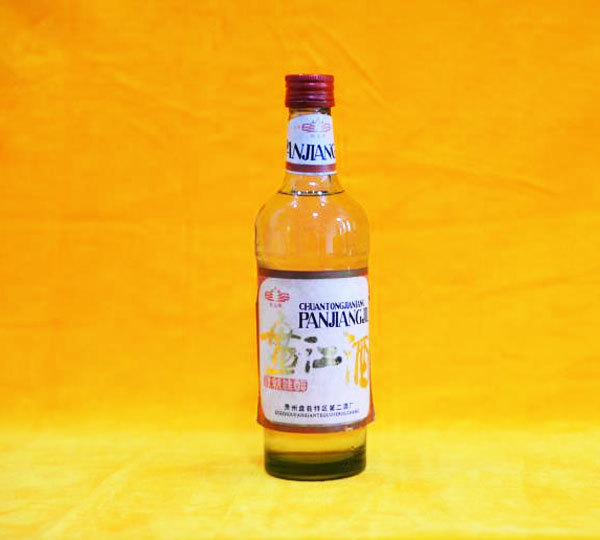
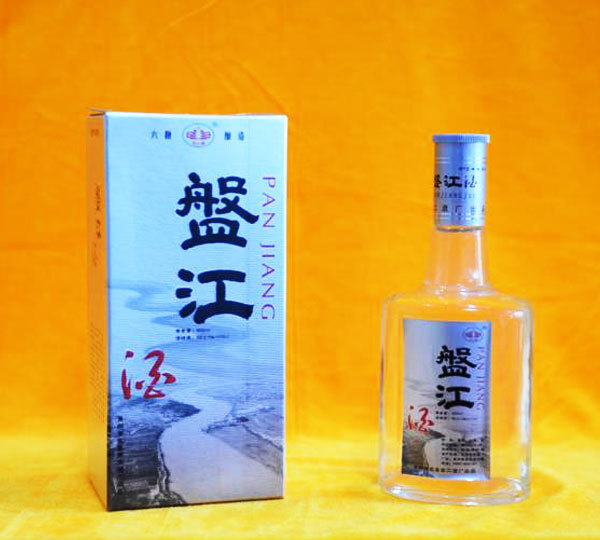
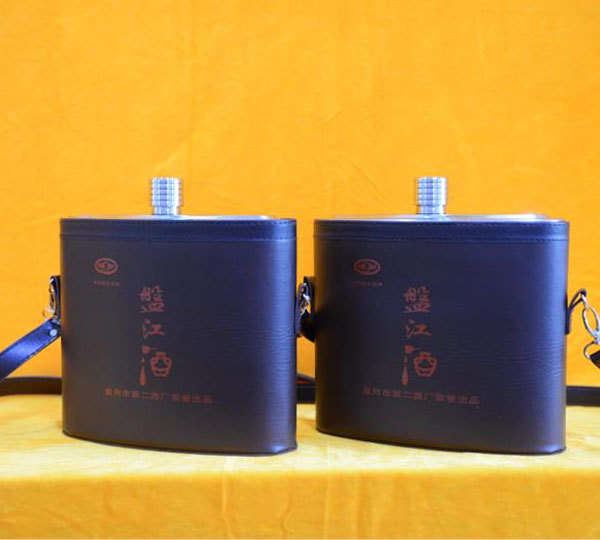
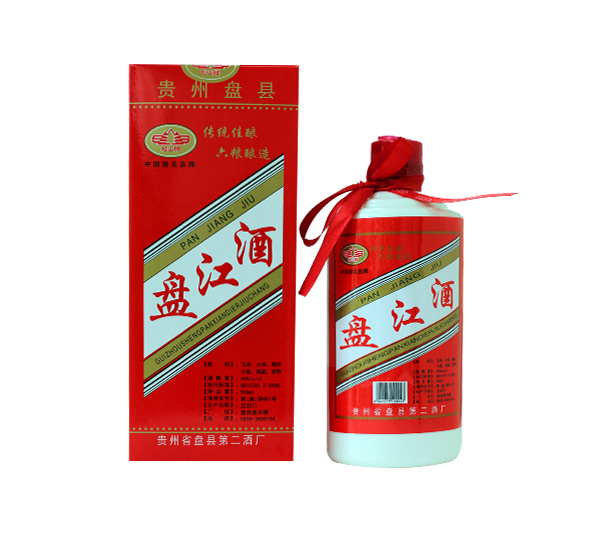

The Second Winery of Panzhou City, Guizhou Province, is located in Panguan Town, Panzhou City, Guizhou Province. Originally known as the Local State-Run Panyan County Second Winery and the Guizhou Province Panyan County Second Winery, it sits between the Sanjiaoshu Mine and the Yueliangtian Mine of Panjiang Coal & Electricity Group, covering an area of more than 40 mu...

Follow us
Copyright © 2023 Guizhou Panzhou No.2 Winery All rights reserved