

Panzhou City Second Winery
Small-batch sauce-aroma, pure-grain brewed
Brewing Techniques: Kunsha, Suisha, Fansha, and Chuanxiang
Release date:
2021-09-23 12:04
Source:
In fact, there are many subtle distinctions within the category of *jiangxiang*-style baijiu, each influencing the liquor's unique texture and flavor profile. These distinctions can be broadly categorized into four distinct production methods: Kunsha, Suisha, Fansha, and Chuanxiang. But how does each of these methods shape the final taste and character of the sauce-aroma spirit?
In today’s market environment, increasingly more people have developed a strong appreciation for sauce-aroma baijiu. Although China boasts a time-honored brewing tradition with diverse production techniques, consumers’ choices ultimately hinge on the liquor’s quality and taste—factors that have undoubtedly contributed to the growing popularity of sauce-aroma baijiu. Interestingly, sauce-aroma baijiu itself is further divided into several nuanced categories, each influencing the drink’s unique flavor profile and sensory experience. These distinctions can be broadly categorized into four main processes: Kunsha, Suisha, Fansha, and Chuanxiang. But how does each of these methods shape the final taste and character of the liquor? Let’s dive deeper into an analysis today.
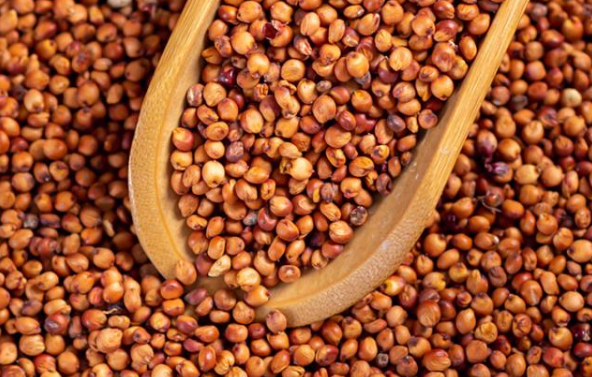
First and foremost, it’s important to understand that Moutai is produced using Kunsha liquor—traditionally the iconic sauce-aroma baijiu—crafted through a time-honored solid-state fermentation process. The production relies on locally sourced red Yingshi sorghum and wheat, following a meticulously complex manufacturing process that adheres strictly to age-old techniques. This process involves two rounds of grain addition, nine rounds of steaming and cooking, eight cycles of fermentation, and seven distillations. Afterward, the spirit must undergo more than three years of careful aging before being blended to fine-tune its flavor profile. Only then, after an additional year of storage, does the final product reach the market—resulting in a baijiu that boasts a rich, robust sauce aroma, subtly bitter yet pleasantly sweet, with delicate hints of toasted notes and floral undertones. Overall, Moutai delivers a remarkably smooth, intricate taste experience with an exceptionally long-lasting finish.
Crush-sand baijiu is a type of white liquor made from crushed sorghum. It features a short production cycle, relatively high yield, and generally moderate quality—though it doesn’t require the meticulous "hui sha" process. Typically, the grain is distilled two or three times at most, ensuring all the alcohol has been extracted. This style of sauce-aroma baijiu is cost-effective to produce, making it an entry-level option within the broader category of sauce-aroma spirits. While the sauce aroma is distinct, it tends to feel muffled upon entry, lacking brightness or intensity. There’s no harsh, lacquer-like finish, yet the taste remains smooth and pleasantly non-bitter, with just a hint of sweetness lingering on the palate. In the initial sip, you may detect little to no sauce aroma—or perhaps only a subtle, delicate hint. As the tasting progresses into the mid-palate, the flavor begins to build, though it still feels soft and somewhat lackluster, often lacking any real depth or complexity. Notes of faint, barely perceptible roasted aromas might emerge, but they’re usually so subtle they’re almost indiscernible. Occasionally, there’s a faint floral undertone, though this is rarely pronounced. Finally, the aftertaste is clean and fleeting, leaving behind virtually no lingering impression.
"Fansha liquor," also known as "fan sha jiu," is made by reusing the spent grain left over after the ninth distillation of Kunsasha liquor—after discarding it—and then adding fresh sorghum and new qu (fermentation starter). This method allows for a shorter production cycle and higher yield, making it a widely available, mass-market product today. However, the quality of this type of baijiu noticeably declines: Fansha liquor tends to be harsh on the palate, with an uneven or off-center flavor profile in the mid-palate. It lacks the characteristic roasted, bitter, and aromatic notes typical of authentic sauce-style baijiu, instead revealing only a strong, unpleasant fermented-grain aroma. As a result, it no longer retains the complex, layered flavors of traditional sauce-style liquor—but rather leaves behind just a faint hint of that signature style, or occasionally even a slightly off-putting, grainy aftertaste that leans more toward a straightforward, robustly fragrant finish.
As for "cuànxiāngjiǔ," it can no longer really be classified as a "jiangjiu" because the quality of this liquor is extremely poor. It’s made by redistilling the spent grain—leftover from the ninth round of steaming and cooking in the traditional "kūnshā" process—and blending it with alcohol. The result is a product of inferior quality, yet remarkably low cost. If you come across a "jiangjiu" priced at just 9.9 yuan per bottle, there’s a high chance it’s this very type of substandard liquor. So, it’s crucial to stay alert and avoid being misled.
Keywords:
Panzhou No.2 Winery, Panzhou Wine, Panjiang Wine, Maotai Town Wine, Maotai Town Sauce-Aroma White Liquor, Guizhou Wine
Related News
(Reported by Wan Li, Ma Kangtuo, and Wang Hengxuan) In the depths of winter, workers at the packaging workshop of Panzhou City’s No. 2 Winery are bustling about sealing and wrapping Panjiang liquor. Established in 1967, this winery boasts a history spanning more than 50 years. Emerging from the "Third Front Construction" era, the Panzhou City No. 2 Winery has continuously strengthened its Party-building leadership, driving substantial business growth and achieving steady sales increases for many consecutive years. Located in Panguan Town, Panzhou City, the winery sits between the Sanjiaoshu Mine and the Yueliangtian Mine of Panjiang Coal & Electricity Group. It employs the traditional solid-state brewing method, using six types of grains to craft its signature product—known as "Six-Grain Panjiang Liquor"—with an annual production capacity reaching 420 tons. The establishment of this winery is deeply intertwined with the legacy of the "Third Front Construction." “During the Third Front Construction period, the winery was built right between the Sanjiaoshu Mine and the Yueliangtian Coal Mine,” explained factory director Su Feng. “At that time, miners working underground were often exhausted and exposed to damp, chilly conditions. Building this winery provided them with access to high-quality liquor—helping to relieve rheumatism, dispel coldness, and boost their body heat.”
Panzhou City Bureau of Industry and Information Technology Inspects Safety Production Work
Panzhou Bureau of Industry and Information Technology Inspects Safety Production Work
Du, the Mayor of Panzhou, and Liu, Director of the Bureau of Economy and Information Technology, Conducted a Research Visit
The Liupanshui Municipal People's Congress organizes a调研 (research and investigation) on state-owned enterprise reform.
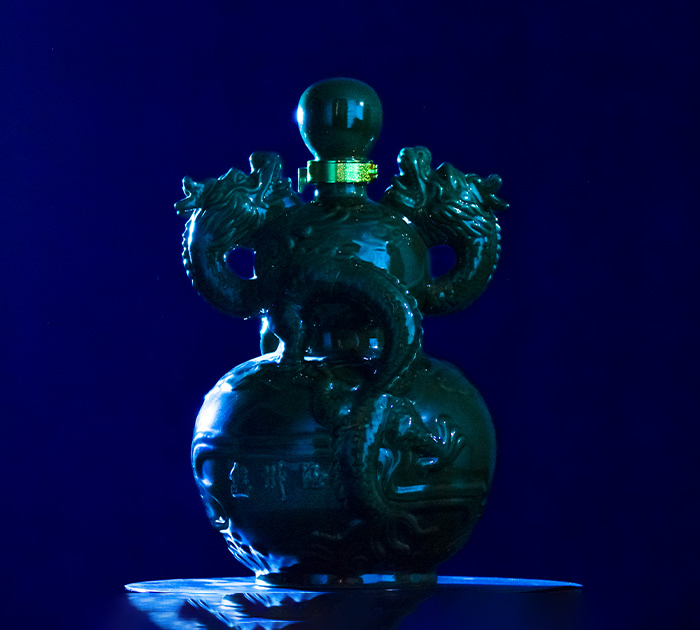
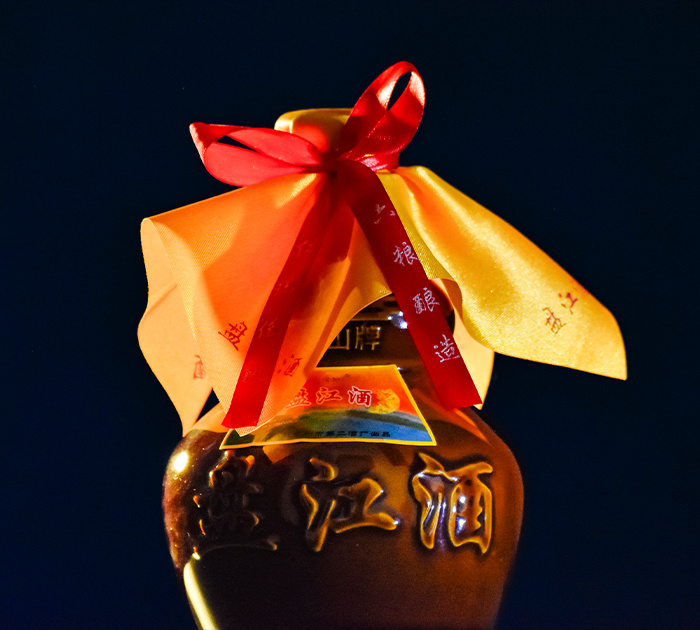
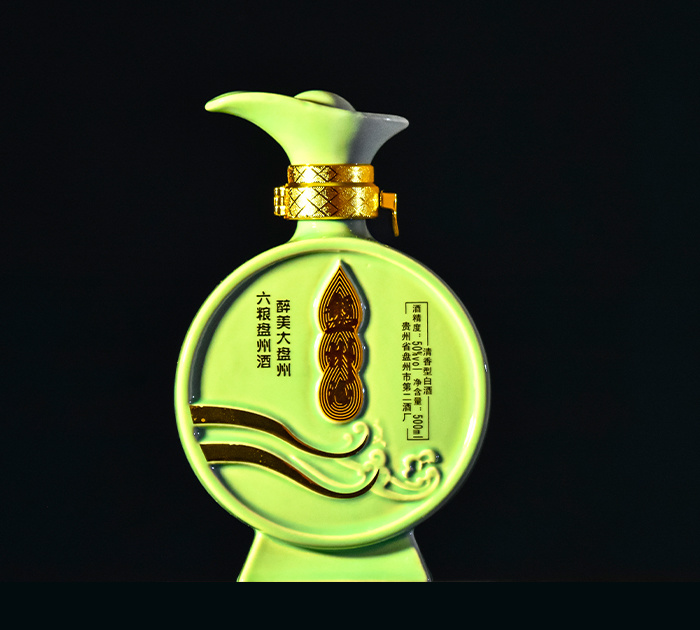
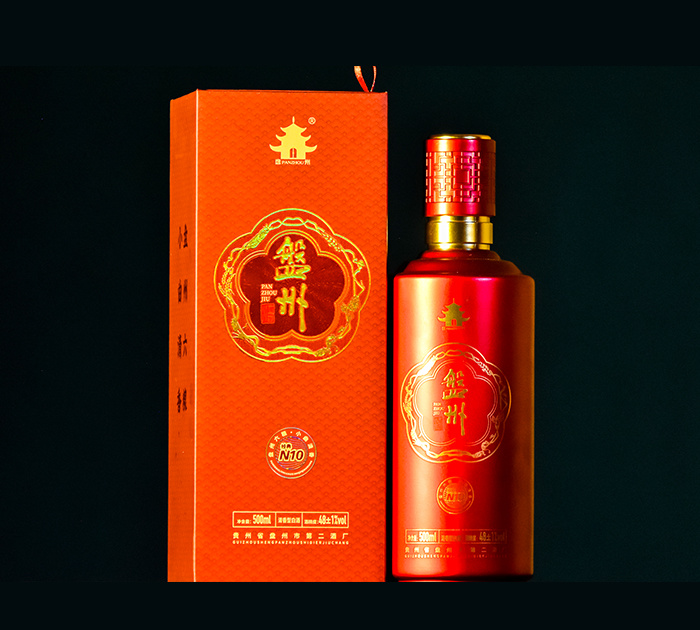
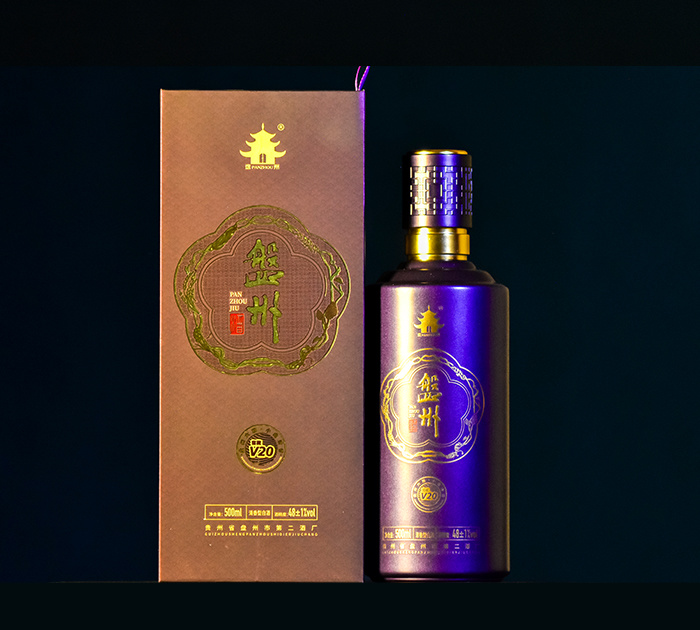
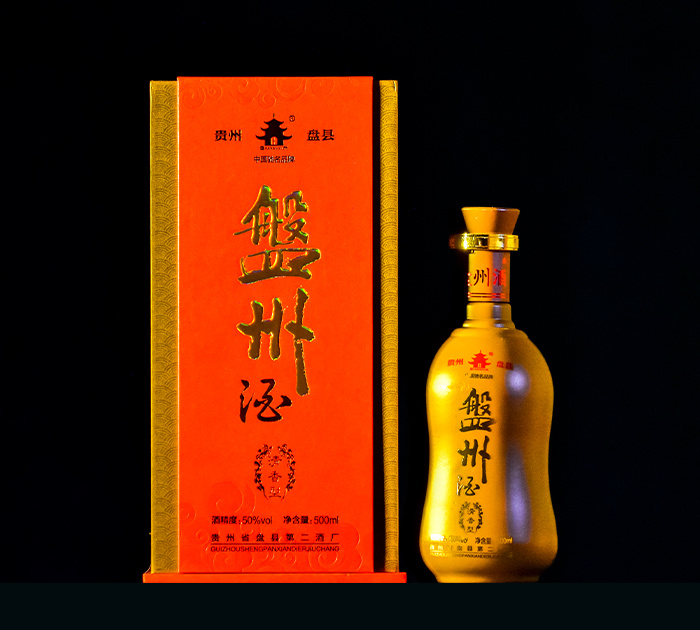
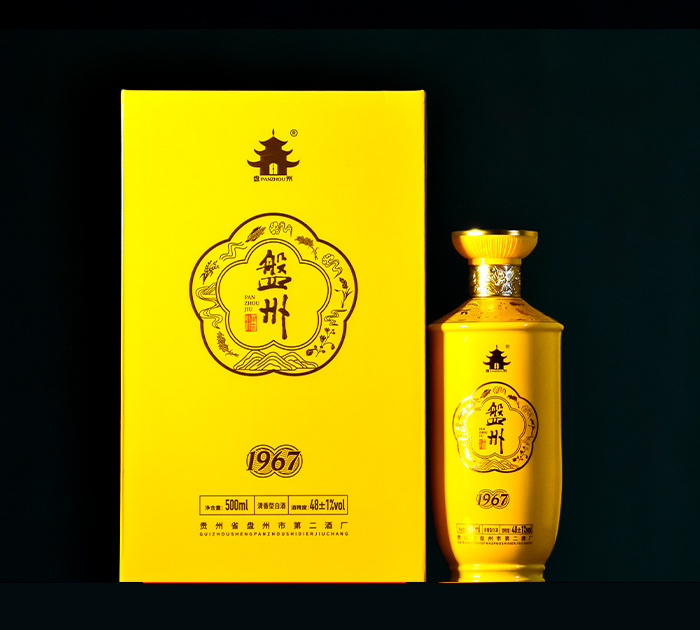
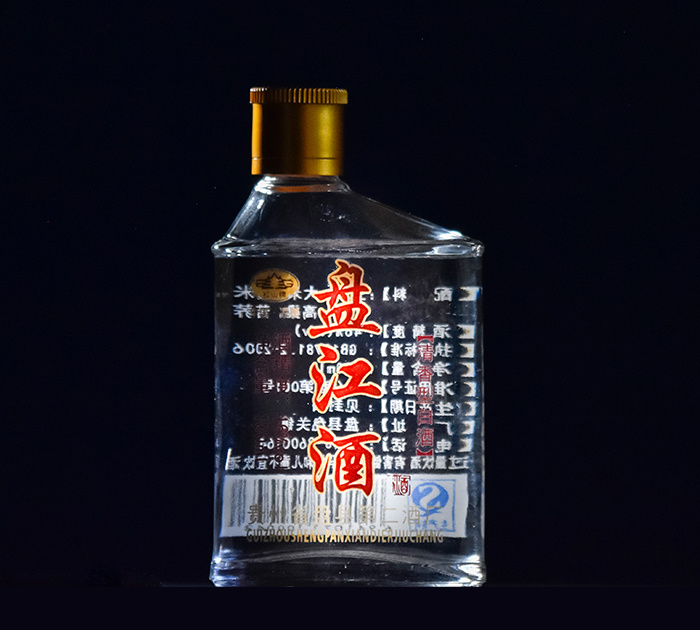
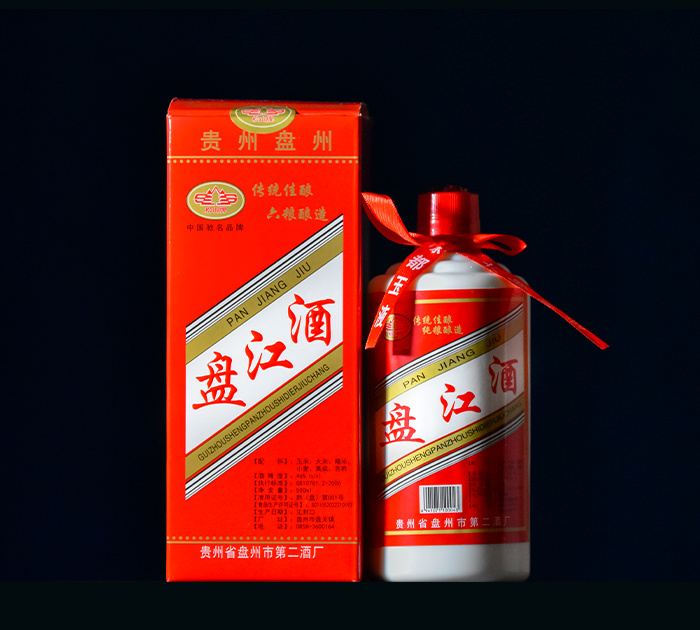
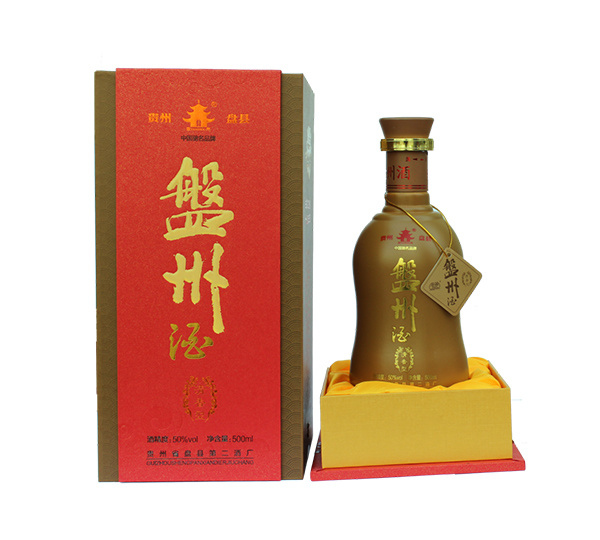
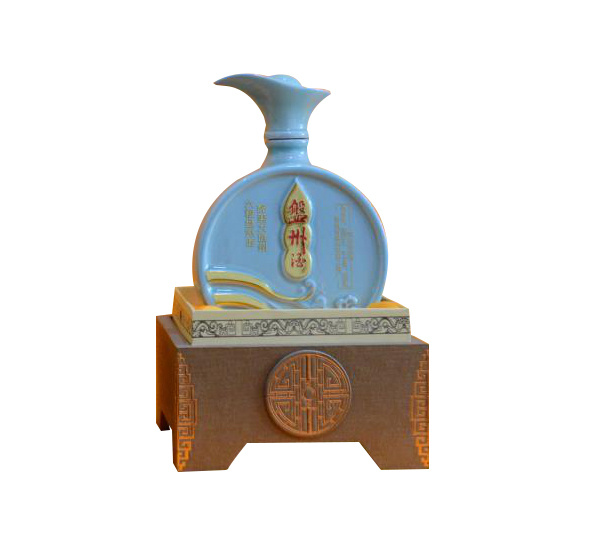
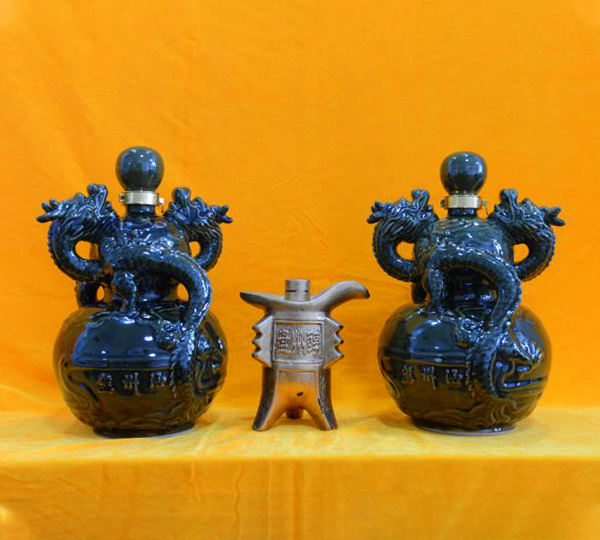
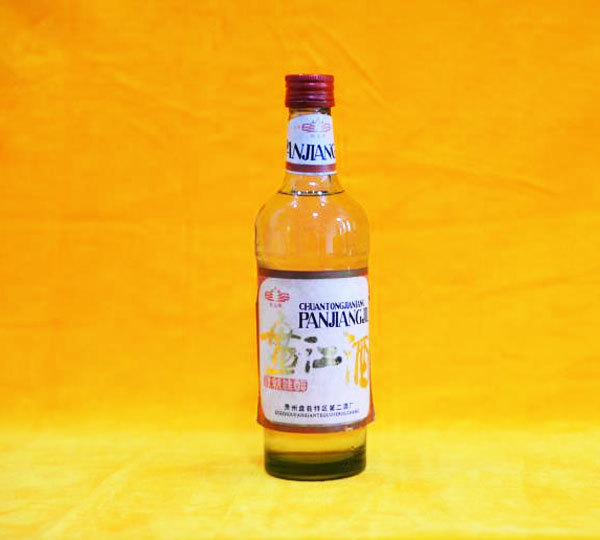
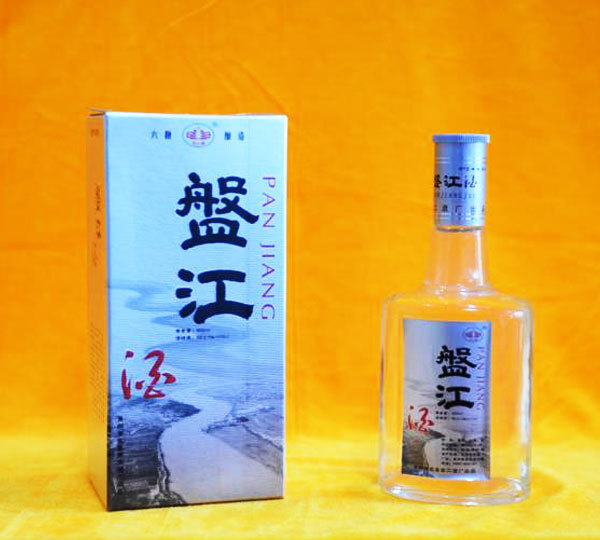
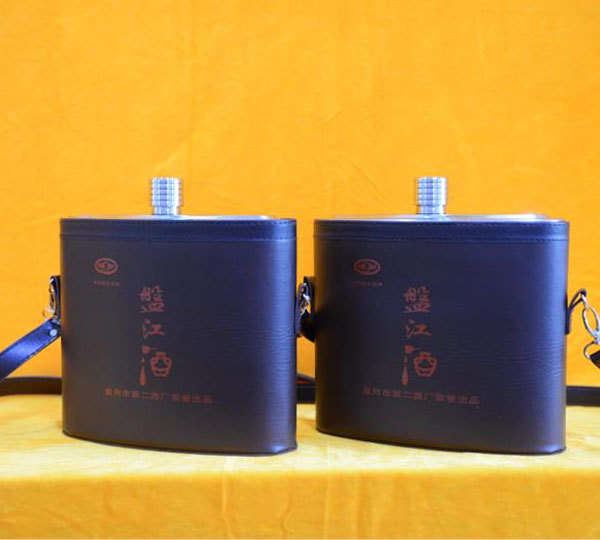
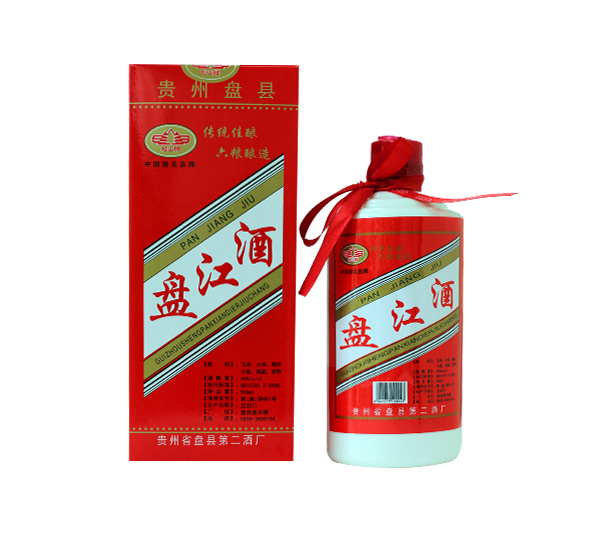

The Second Winery of Panzhou City, Guizhou Province, is located in Panguan Town, Panzhou City, Guizhou Province. Originally known as the Local State-Run Panyan County Second Winery and the Guizhou Province Panyan County Second Winery, it sits between the Sanjiaoshu Mine and the Yueliangtian Mine of Panjiang Coal & Electricity Group, covering an area of more than 40 mu...

Follow us
Copyright © 2023 Guizhou Panzhou No.2 Winery All rights reserved