

Panzhou City Second Winery
Small-batch sauce-aroma, pure-grain brewed
Guizhou University's Mingde College Department of Bioengineering has signed a school-enterprise cooperation training agreement with the Second Winery in Panzhou City, Guizhou Province.
Release date:
2018-04-12 20:00
Source:
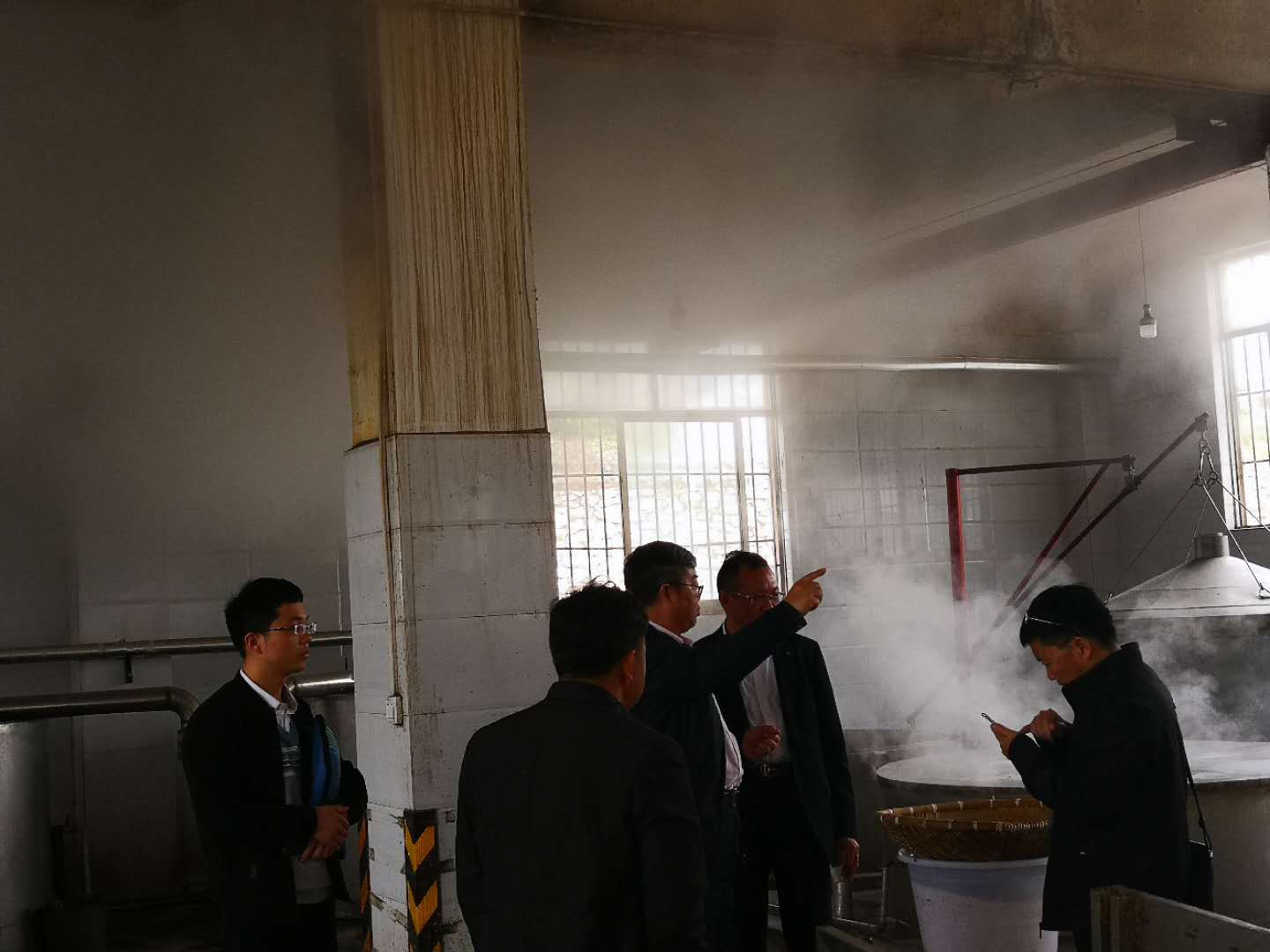
On the afternoon of March 30, Dean Wu Tianxiang, Vice Dean Luo Weidong, Head of the Biology Department Tang Ting, Assistant to the Head of the Biology Department Yang Zutao, and College Office Assistant Wei Guandong visited the Second Winery in Panzhou City, Guizhou Province. They were warmly received by Su Feng, Director of the Second Winery; Jiang Ruguai, Deputy Director; and Du Xuezhong. The two sides then held a campus-enterprise cooperation signing ceremony in the conference room of the Second Winery in Panzhou City. During the meeting, Su Feng, Director of the Second Winery, briefly introduced the winery’s rich history. Established on April 24, 1967, the Second Winery in Panzhou is the third oldest distillery in Guizhou Province—after Moutai and Xijiu—with over 50 years of heritage. Upholding the development philosophy of "small-qu baijiu with a clear aroma, pure-grain brewing, solid-state fermentation, and a remarkably smooth taste," the winery has maintained uninterrupted production for the past 51 years. In 2017 alone, the Second Winery achieved an industrial output value of 7.72 million yuan, generated sales revenue exceeding 4 million yuan, and contributed more than 1.6 million yuan in taxes, playing a vital role in boosting Panzhou’s economic growth. Wu Tianxiang emphasized that this collaboration marks the first significant step in the university-enterprise partnership, serving as a strong example and exploration of the college’s integrated industry-academia model. He highlighted its guiding significance and practical impact on cultivating application-oriented and hands-on talent at the institution. Luo Weidong noted that, as a pioneer among independent colleges under Guizhou University, the college is committed to advancing its innovative educational approach and mission. Underpinned by its new institutional framework and core values, the college will focus on "serving society, supporting Guizhou’s development, and nurturing application-driven professionals." Through this partnership with the Second Winery in Panzhou, the college aims to establish a cutting-edge platform for collaborative innovation, jointly contributing to Guizhou’s economic growth while preserving and promoting the region’s cherished wine culture. Following the signing ceremony, representatives from both sides exchanged their signed cooperation agreements. Afterward, Wu Tianxiang, Luo Weidong, and their delegation toured the baijiu production line, accompanied by Su Feng.

On the afternoon of March 30, Dean Wu Tianxiang, Vice Dean Luo Weidong, Head of the Biology Department Tang Ting, Assistant to the Head of the Biology Department Yang Zutao, and Office Assistant Wei Guandong from the college visited the Second Winery in Panzhou City, Guizhou Province. They were warmly received by Su Feng, Director of the Second Winery; Jiang Ruguai, Deputy Director; and Du Xuezhong. The two sides then held a campus-enterprise cooperation signing ceremony in the conference room of the Second Winery in Panzhou City, Guizhou Province.

At the meeting, Su Feng, the director of Panzhou Second Winery, briefly introduced the winery's history. Established on April 24, 1967, Panzhou Second Winery is the third oldest distillery in Guizhou Province—after Guizhou Moutai and Guizhou Xiji—and boasts over 50 years of heritage. Adhering to the development philosophy of "light-fragrance qu, pure-grain brewing, solid-state fermentation, and a delightfully smooth taste," the winery has maintained uninterrupted production for the past 51 years. Moreover, in 2017, Panzhou Second Winery achieved an industrial output value of 7.72 million yuan, generated sales revenue exceeding 4 million yuan, and contributed over 1.6 million yuan in tax revenue, making a significant contribution to the economic growth of Panzhou City.
Wu Tianxiang stated that the collaboration between the two parties has marked the first step in industry-academia partnership, serving as a strong practice and exploration of the college’s integrated approach to education that combines academic learning with industrial application. This initiative holds significant guiding value and impact for the college’s efforts in cultivating application-oriented and practically skilled professionals.
Lu Weidong pointed out that, as a pioneer among the independent colleges under Guizhou University, the college will, driven by its new institutional model and educational philosophy, focus on "serving society, supporting Guizhou, and cultivating application-oriented talents." Through collaboration with Panzhou City's Second Winery, the college will establish a cutting-edge platform for industry-university partnerships, jointly contributing to Guizhou's economic development while preserving and promoting the province's rich wine culture.
Following this, representatives from both sides signed and exchanged the cooperation agreement.
After the meeting, Wu Tianxiang, Luo Weidong, and their delegation toured the baijiu production line accompanied by Su Feng.
Keywords:
Panzhou No.2 Winery, Panzhou Wine, Panjiang Wine, Maotai Town Wine, Maotai Town Sauce-Aroma White Liquor, Guizhou Wine
Related News
What makes a baijiu considered good liquor?
When it comes to drinking alcohol, everyone naturally thinks of baijiu—among the elders and loved ones around us, there’s a deep, irreplaceable passion for this traditional liquor.
How can you tell the difference between blended liquor and distilled liquor?
Consumers know that grain-based liquor is superior, but over 95% of them can’t tell the difference between alcohol-based liquor and grain-based liquor. With so many types of alcoholic beverages on the market, how can we properly identify grain-based liquor from blended or fortified wines? Let’s explore these methods next.
Why is Daqu Jiangxiang liquor so expensive?
Daqu sauce-aroma liquor is also among the relatively expensive varieties—so what makes it so pricey?
Brewing Techniques: Kunsha, Suisha, Fansha, and Chuanxiang
In fact, there are many subtle distinctions within the category of *jiangxiang*-style baijiu, each influencing the liquor's unique texture and flavor profile. These distinctions can be broadly categorized into four distinct production methods: Kunsha, Suisha, Fansha, and Chuanxiang. But how does each of these methods shape the final taste and character of the sauce-aroma spirit?
According to a statement released by the China Alcoholic Industry Association on May 31, while the pandemic has not yet fully subsided, the baijiu industry is already seeing widespread price increases.
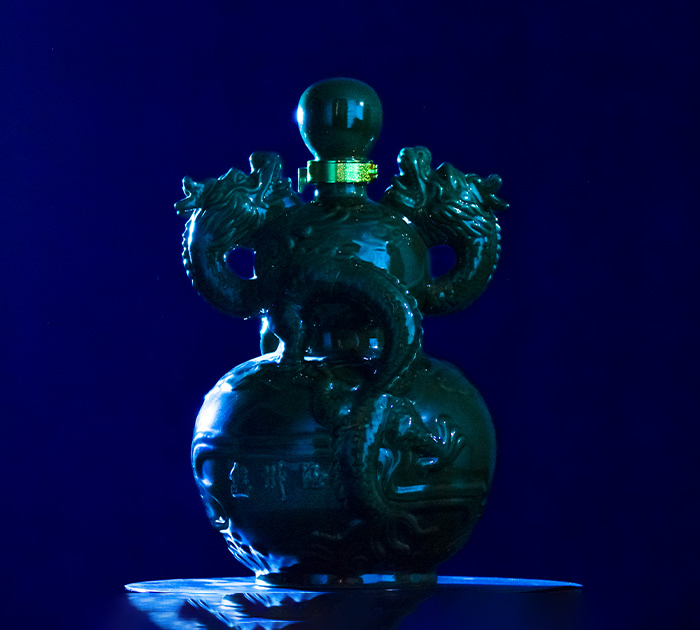
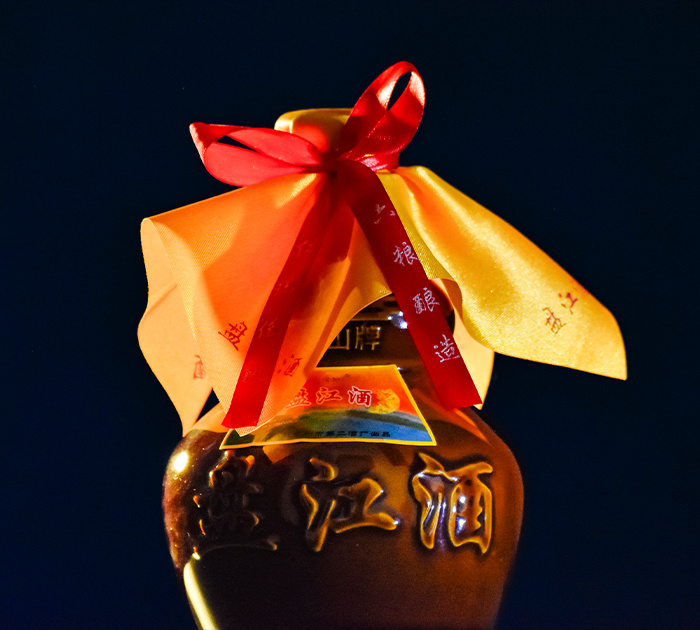
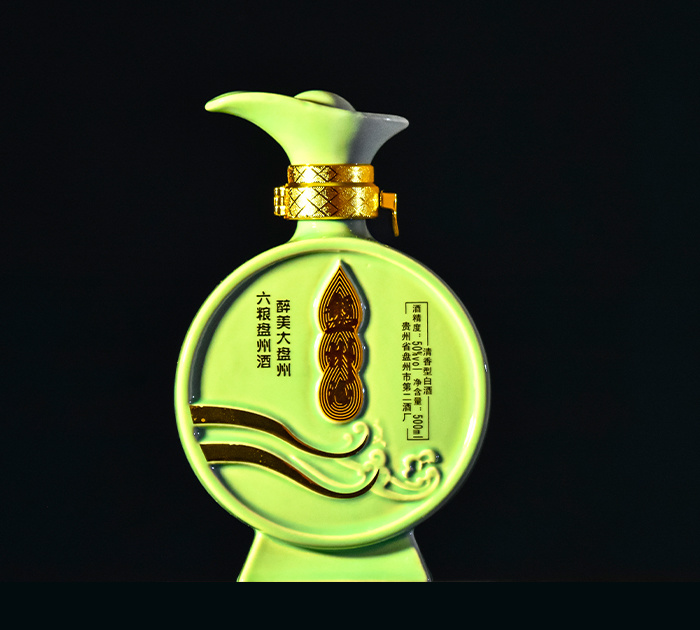
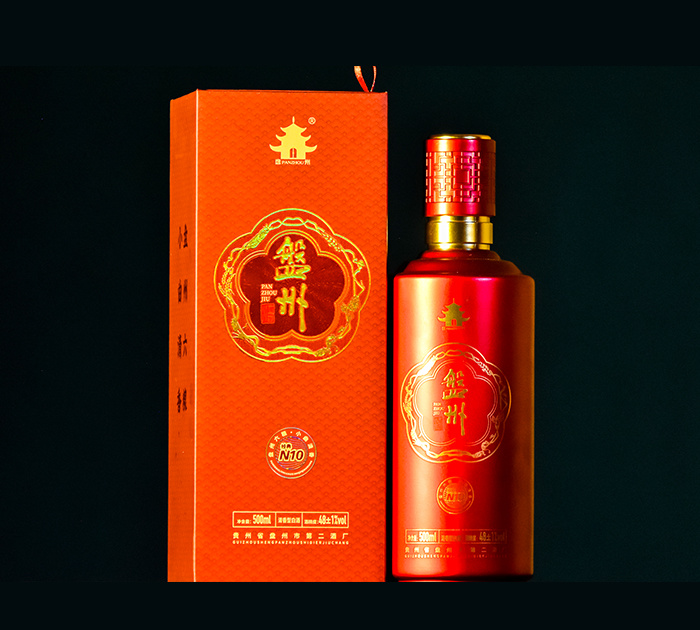
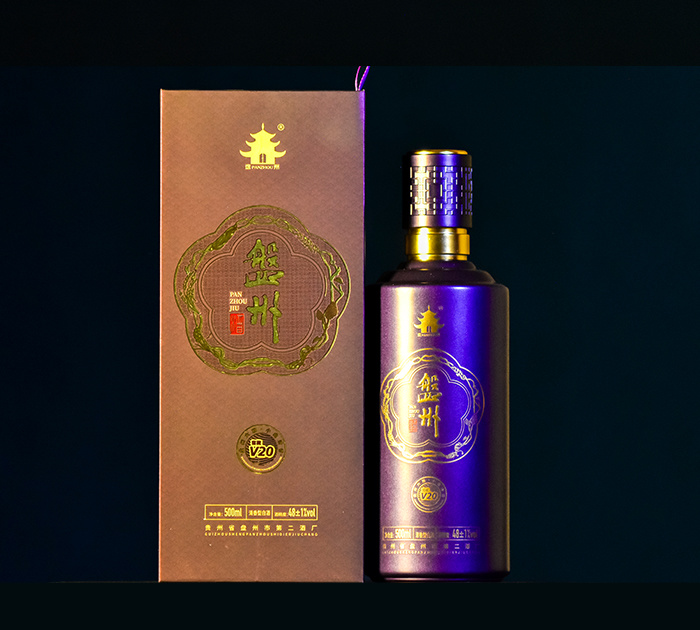
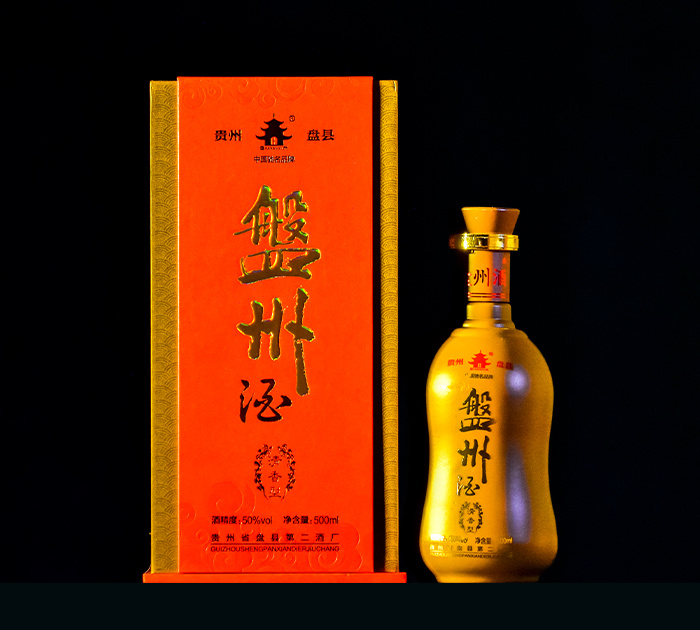
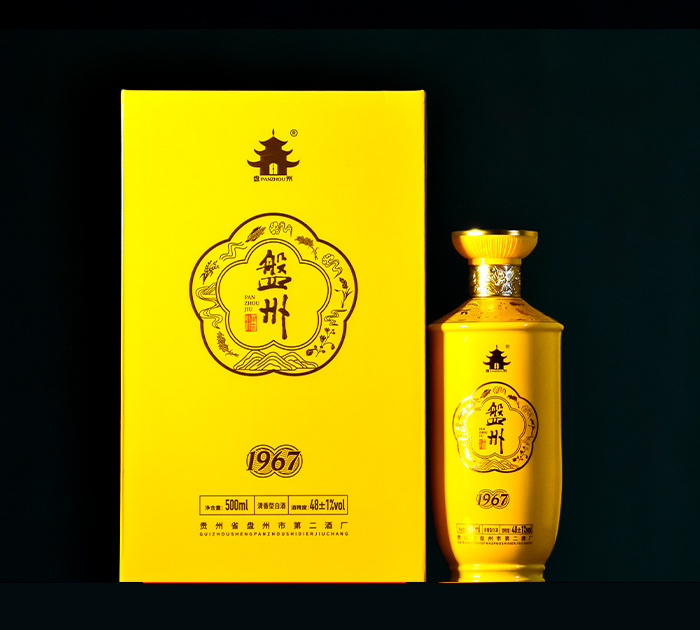
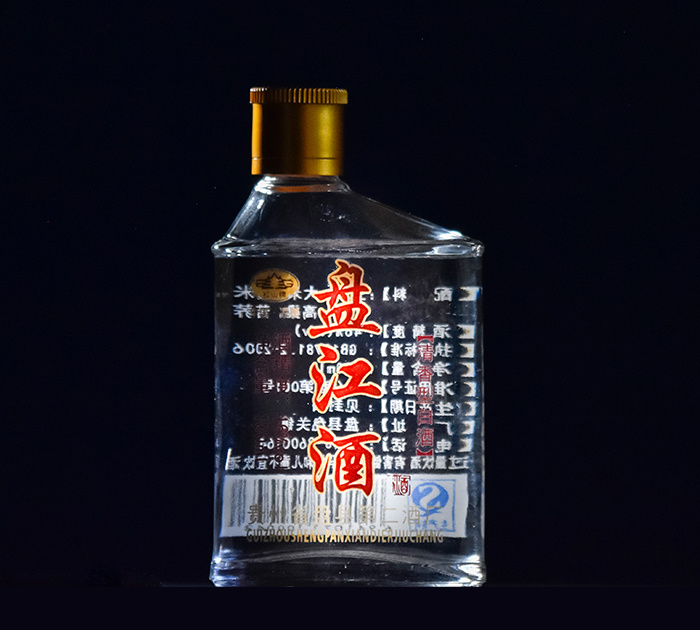
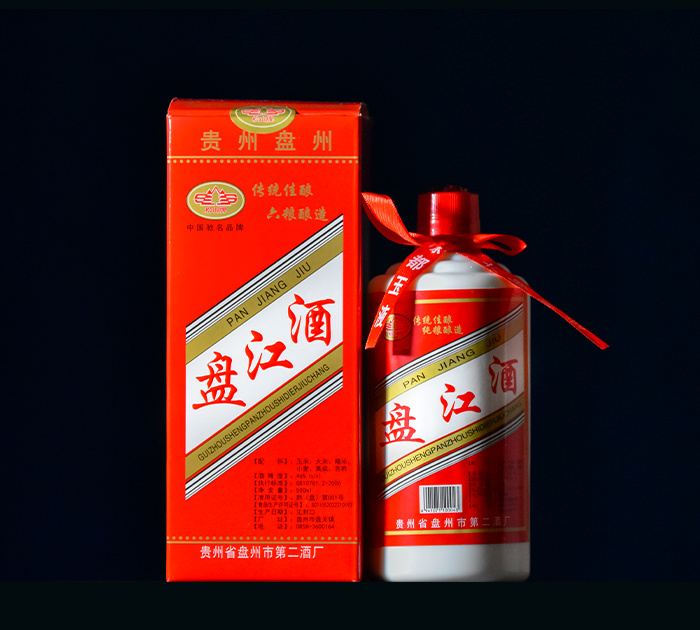
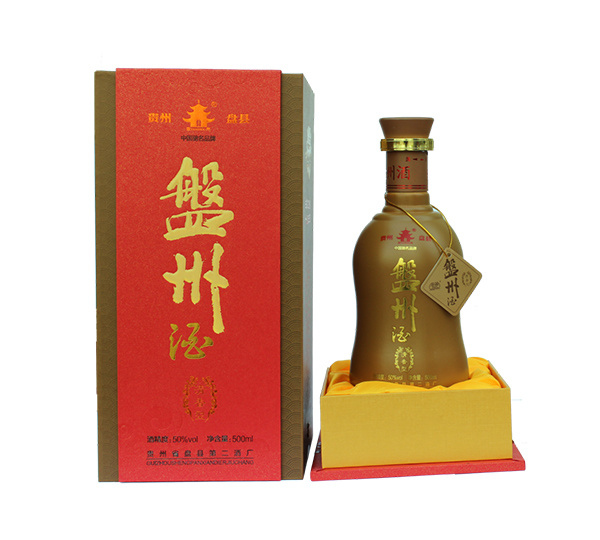
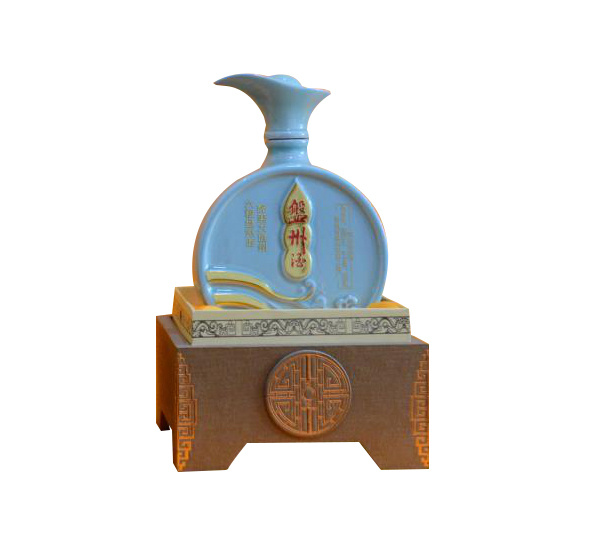
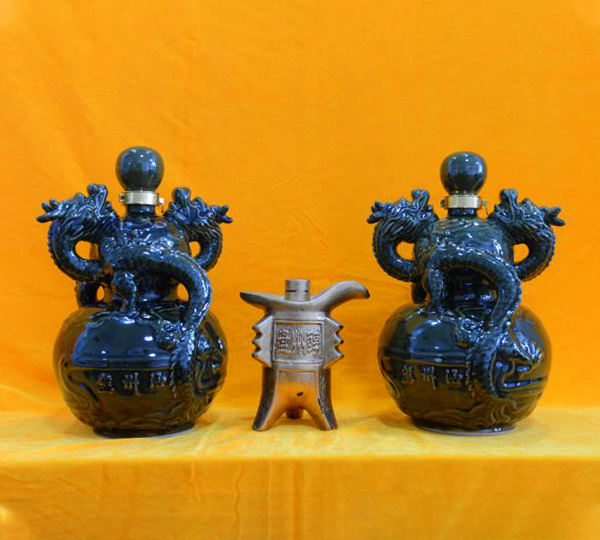
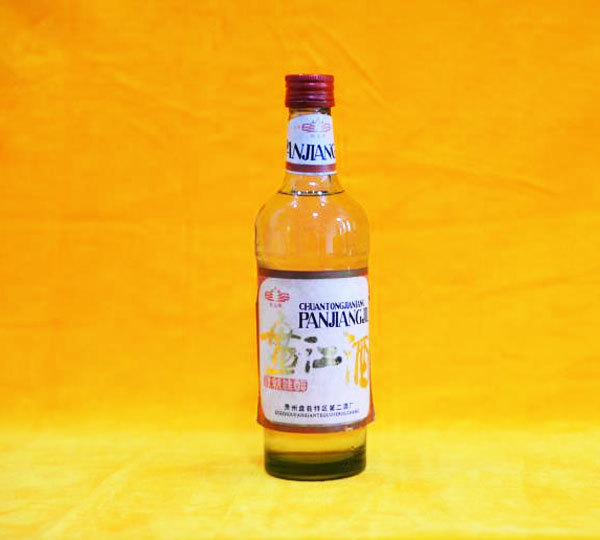
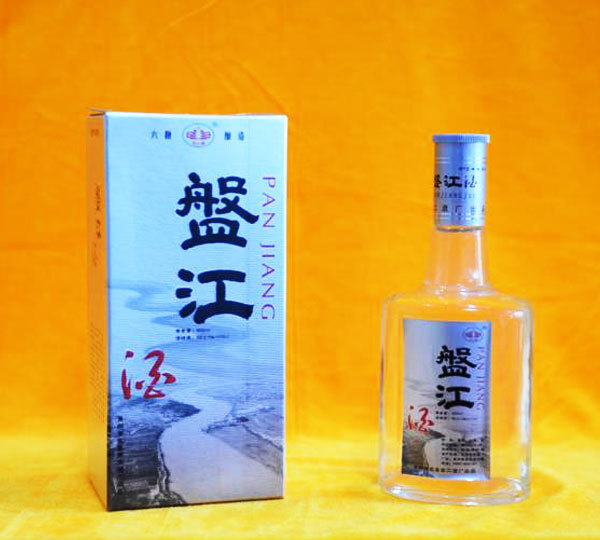
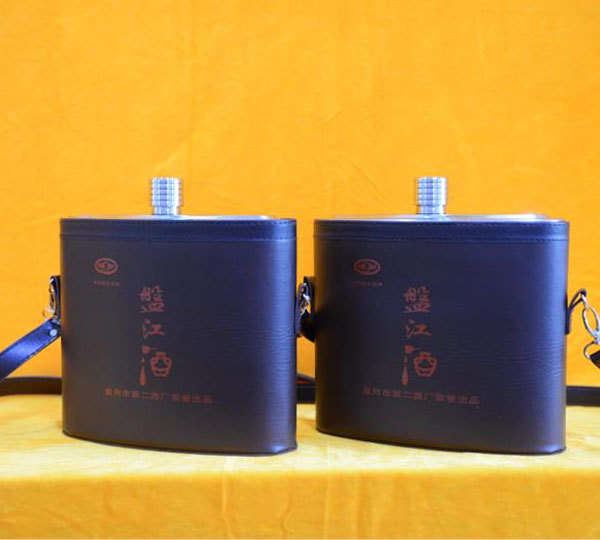
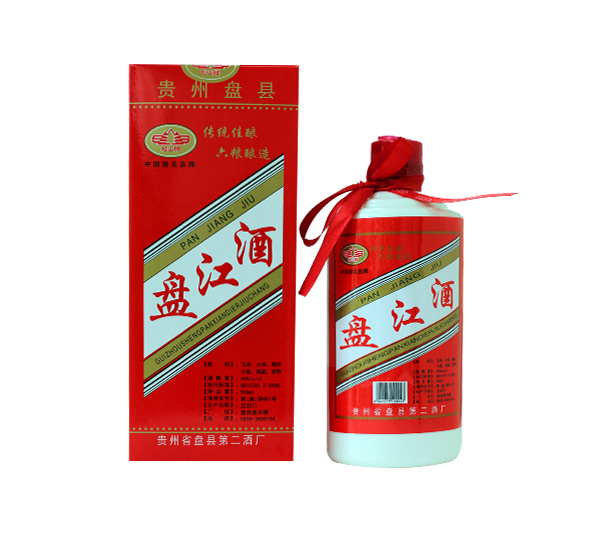

The Second Winery of Panzhou City, Guizhou Province, is located in Panguan Town, Panzhou City, Guizhou Province. Originally known as the Local State-Run Panyan County Second Winery and the Guizhou Province Panyan County Second Winery, it sits between the Sanjiaoshu Mine and the Yueliangtian Mine of Panjiang Coal & Electricity Group, covering an area of more than 40 mu...

Follow us
Copyright © 2023 Guizhou Panzhou No.2 Winery All rights reserved