

Panzhou City Second Winery
Small-batch sauce-aroma, pure-grain brewed
Panzhou Second Winery Drives Development Through Party Building Leadership
Release date:
2019-01-03 20:00
Source:
In the depths of winter, workers at the packaging workshop of Panzhou Second Winery are busy sealing and wrapping Panjiang liquor. Established in 1967, the winery boasts over 50 years of history. In recent years, it has steadily strengthened its Party-building leadership, driving significant business growth and achieving continuous year-on-year sales increases. Located in Panguan Town, Panzhou Second Winery employs a traditional solid-state brewing method, using six types of grains to create its renowned "Six-Grain Panjiang Liquor." The winery’s annual production capacity reaches 420 tons. Interestingly, the establishment of this winery is closely tied to the "Third Front" construction initiative. As Su Feng, the winery’s director and Party branch secretary, explains, during the "Third Front" era, the facility was built between Shukeng Mine and Yueliangtian Mine—areas known for their damp underground conditions. To combat the harsh environment, the winery was designed to help miners alleviate rheumatism, ward off cold, and boost their body heat. Over the past five decades, the winery has contributed more than 10 million yuan in tax revenue to the nation. Today, the winery employs a total of 24 staff members, including nine dedicated Party members. By reinforcing Party leadership and encouraging these members to serve as role models, the winery’s Party branch has united employees under a shared vision, fostering collaboration and propelling the company’s growth. When asked about how Party members exemplify their roles, Ao Chengyan, the Party branch’s organizational committee member, emphasizes: "As Communist Party members, we must always take the lead in tackling challenges. Additionally, by organizing regular Party-building activities, we help our employees feel a stronger sense of responsibility and deepen their unity." Beyond setting the tone for the team, Party officials also make it a priority to engage in open, heartfelt conversations with non-Party members, genuinely listening to their concerns and actively addressing their practical needs. Looking ahead, Su Feng shares, "Through robust Party building efforts, we’ve successfully aligned our employees’ minds, ensuring top-notch product quality and enabling well-rounded development across all areas. Moving forward, we’ll continue strengthening our Party initiatives to guarantee the sustainable growth and success of our enterprise."

In the depths of winter, workers at the packaging workshop of Panzhou’s Second Distillery are busy sealing and wrapping Panjiang liquor bottles. Established in 1967, the distillery now boasts over 50 years of history. In recent years, the company has steadily strengthened its Party-building leadership, driving significant business growth and achieving consecutive years of rising sales.
The Panzhou Second Distillery is located in Panguan Town. The distillery uses the solid-state brewing method and is crafted from six types of grains, which is why the resulting liquor is also known as "Six-Grain Panjiang Wine." With an annual production capacity of 420 tons, the distillery’s establishment has deep ties to the "Third Front" construction initiative. As Su Feng, the distillery’s director and Party branch secretary, explains, during the "Third Front" era, the distillery was built between the Shukeng Mine and the Yueliangtian Mine—at the base of a mountain. The humid underground conditions at the mines made it particularly beneficial for workers to visit the distillery, as the unique environment helped alleviate rheumatism, dispel coldness, and boost their body heat.
Over the past 50-plus years since its establishment, the winery has generated over 10 million yuan in tax revenue for the country. The facility employs a total of 24 workers, including 9 Party members. Guided by strengthened Party building initiatives, the winery’s Party branch has effectively harnessed the exemplary and pioneering role of its members, uniting everyone’s hearts and efforts to drive business growth. Speaking about how to maximize the impact of Party members as role models, Ao Chengyan, the Party branch’s organizational committee member, shared: "As a Communist Party member, I always take the lead in tackling any task myself. At the same time, by organizing engaging Party-building activities, we help our employees feel a deeper sense of responsibility and foster an even stronger spirit of unity."
Party members and cadres not only take the lead but also frequently engage in heartfelt conversations with non-party-member employees, genuinely keeping their needs in mind and providing practical solutions to their challenges. Speaking about the next steps in Party building, Su Feng said: "By strengthening Party leadership, the brewery has unified the thoughts of its employees, ensured top-notch product quality, and fostered robust development across all areas. Moving forward, we will continue to prioritize Party building efforts to guarantee the company’s sustained and healthy growth."
Keywords:
Panzhou No.2 Winery, Panzhou Wine, Panjiang Wine, Maotai Town Wine, Maotai Town Sauce-Aroma White Liquor, Guizhou Wine
Related News
What makes a baijiu considered good liquor?
When it comes to drinking alcohol, everyone naturally thinks of baijiu—among the elders and loved ones around us, there’s a deep, irreplaceable passion for this traditional liquor.
How can you tell the difference between blended liquor and distilled liquor?
Consumers know that grain-based liquor is superior, but over 95% of them can’t tell the difference between alcohol-based liquor and grain-based liquor. With so many types of alcoholic beverages on the market, how can we properly identify grain-based liquor from blended or fortified wines? Let’s explore these methods next.
Why is Daqu Jiangxiang liquor so expensive?
Daqu sauce-aroma liquor is also among the relatively expensive varieties—so what makes it so pricey?
Brewing Techniques: Kunsha, Suisha, Fansha, and Chuanxiang
In fact, there are many subtle distinctions within the category of *jiangxiang*-style baijiu, each influencing the liquor's unique texture and flavor profile. These distinctions can be broadly categorized into four distinct production methods: Kunsha, Suisha, Fansha, and Chuanxiang. But how does each of these methods shape the final taste and character of the sauce-aroma spirit?
According to a statement released by the China Alcoholic Industry Association on May 31, while the pandemic has not yet fully subsided, the baijiu industry is already seeing widespread price increases.
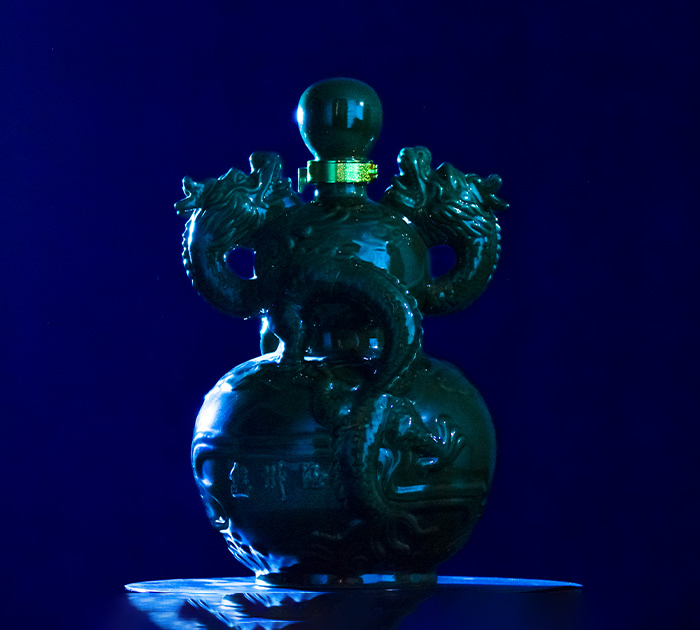
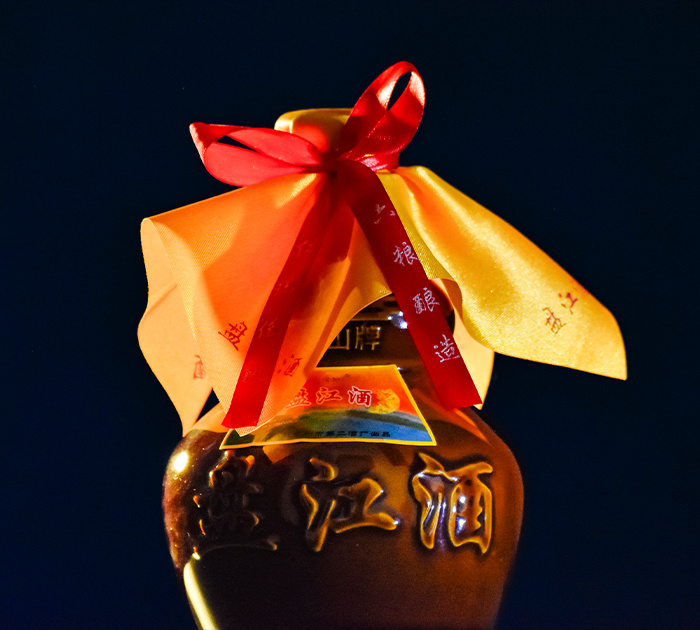
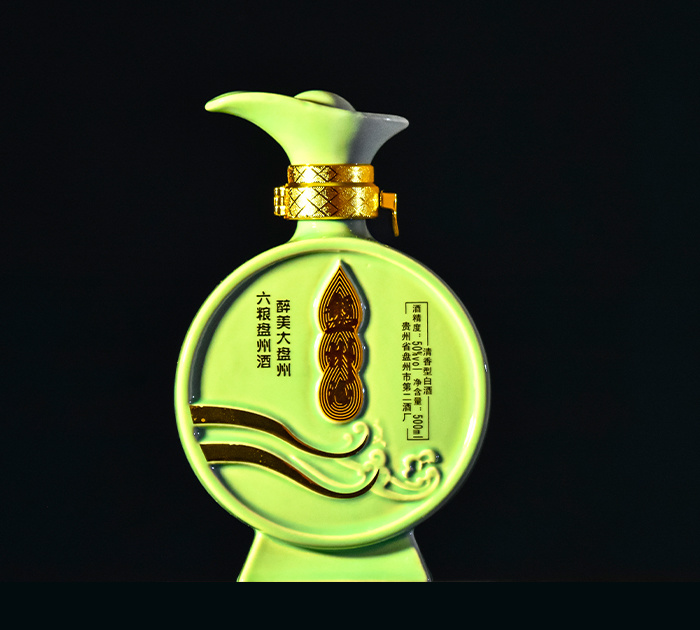
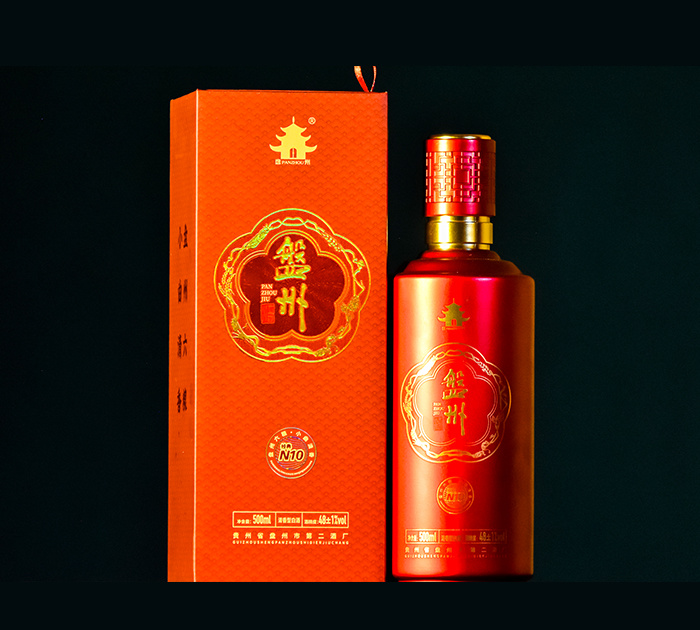
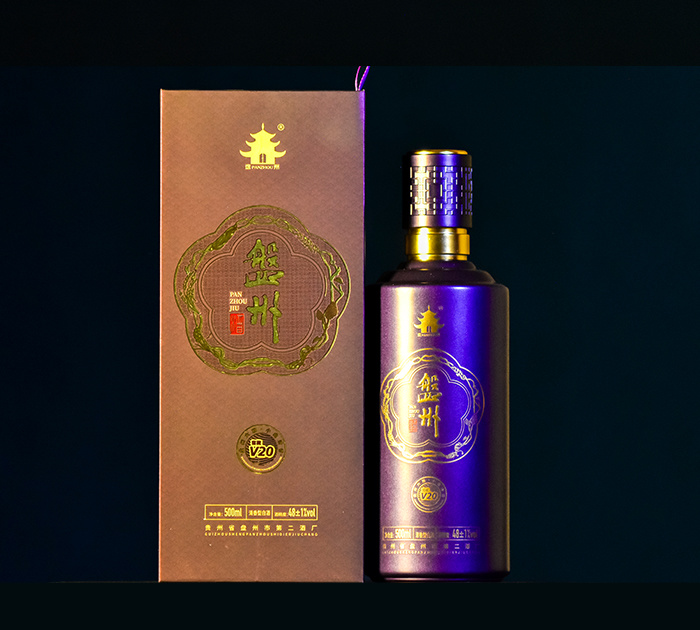
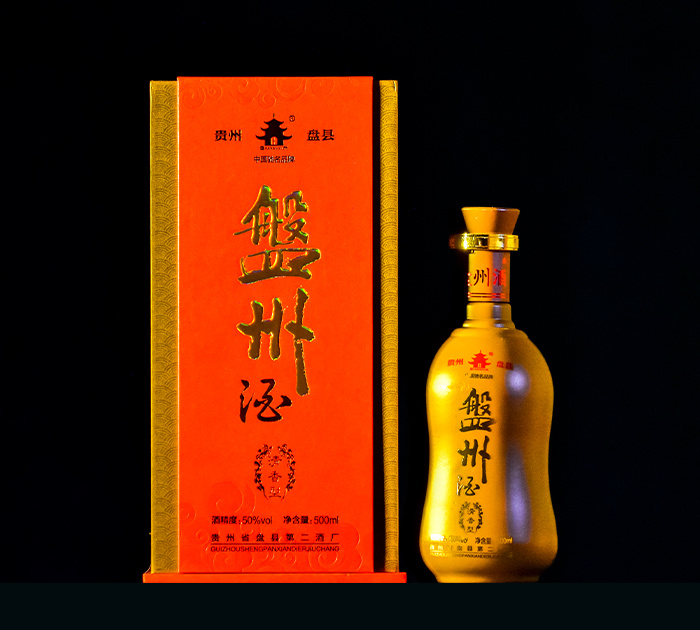
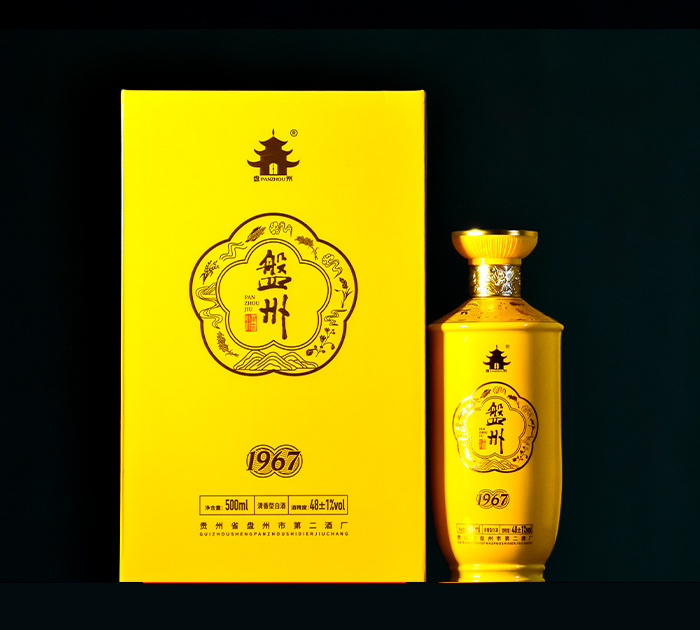
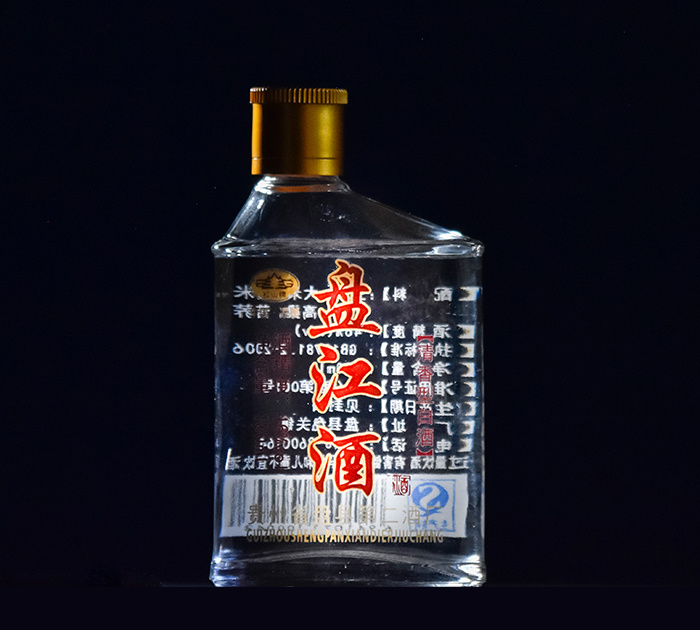
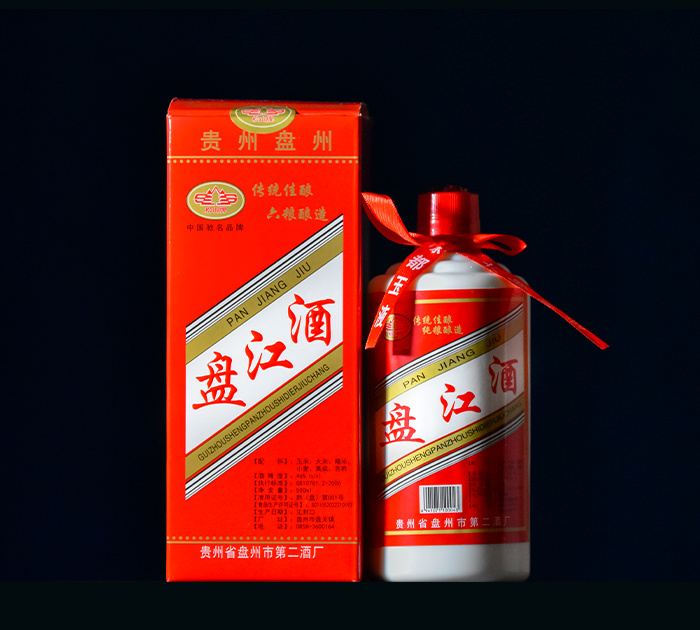
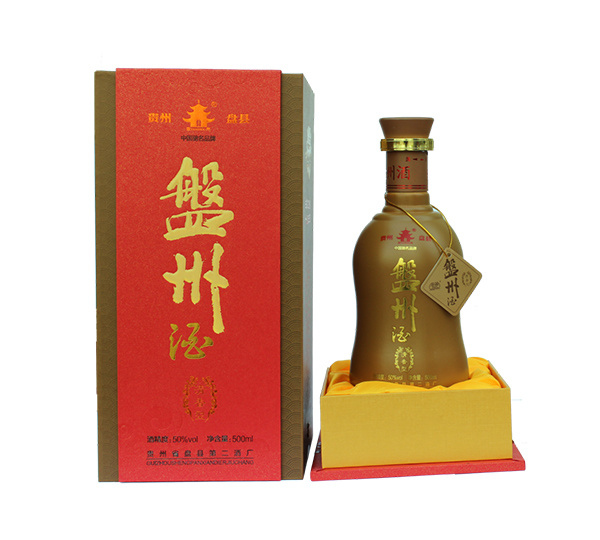
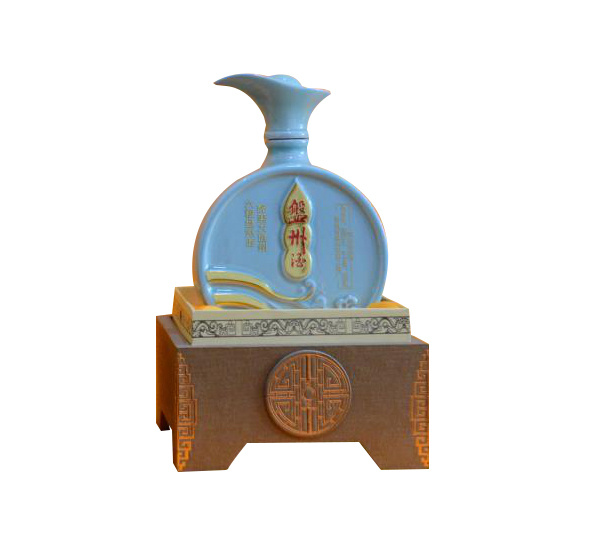
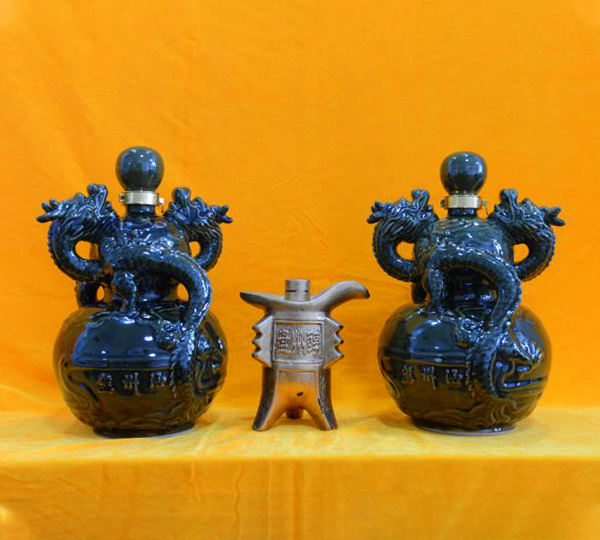
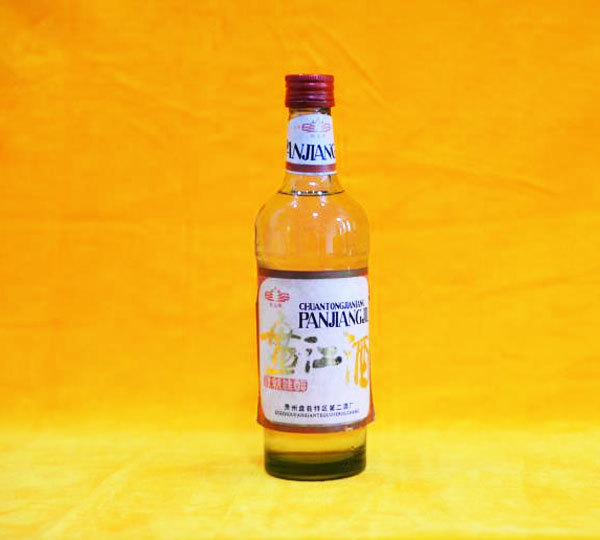
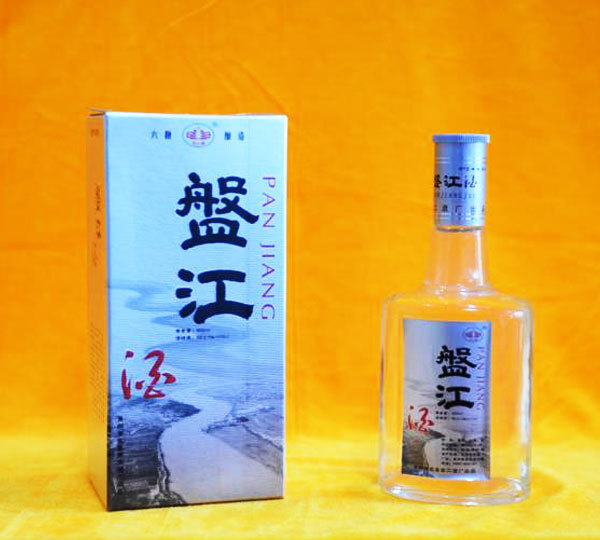
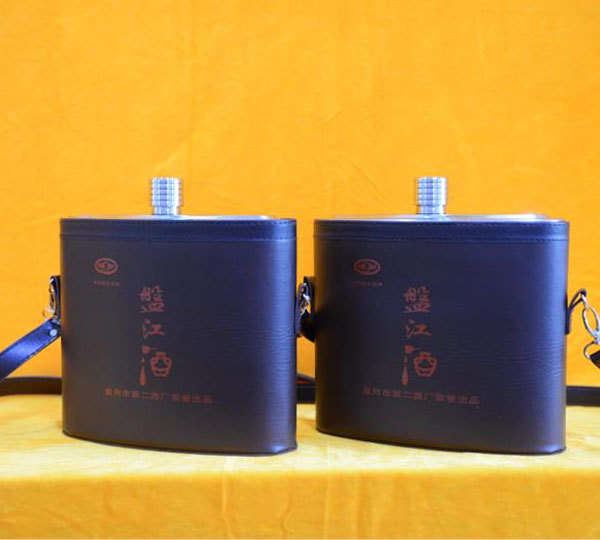
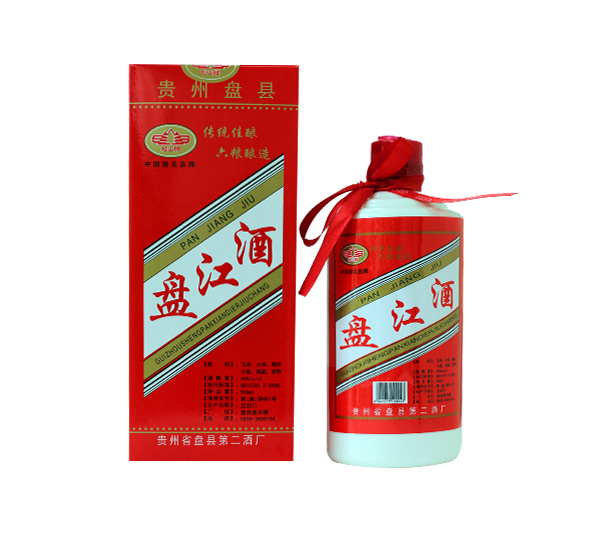

The Second Winery of Panzhou City, Guizhou Province, is located in Panguan Town, Panzhou City, Guizhou Province. Originally known as the Local State-Run Panyan County Second Winery and the Guizhou Province Panyan County Second Winery, it sits between the Sanjiaoshu Mine and the Yueliangtian Mine of Panjiang Coal & Electricity Group, covering an area of more than 40 mu...

Follow us
Copyright © 2023 Guizhou Panzhou No.2 Winery All rights reserved