

Panzhou City Second Winery
Small-batch sauce-aroma, pure-grain brewed
A pot of delicate fragrance comes from here.
Release date:
2023-11-07 10:19
Source:
Panzhou City's No. 2 Distillery—formerly known as the Pan County Special District No. 2 State-Owned Distillery—is located in Panguan Town, Panzhou City. Approved for production in April 1967 and officially completed and put into operation in October 1969, it is a state-owned distillery with a 56-year history. Today, the factory primarily focuses on the production and sale of Qingxiang-style baijiu.
“By the number of years the factory has been around, that’s how old I am. When you really think about it, the distillery is only half a year older than me!”
Su Feng, the current director of Panzhou No. 2 Distillery, is also a seasoned "master craftsman" who has dedicated over three decades to the baijiu industry with unwavering diligence.
Panxian Second Distillery—formerly known as the Pan County Special District Second Distillery, a locally state-owned enterprise—is located in Panguan Town, Panxian City. Approved for production in April 1967 and officially completed and put into operation in October 1969, it has grown into a state-owned distillery with a 56-year history. Today, the company primarily focuses on the production and sale of Qingxiang-style baijiu.

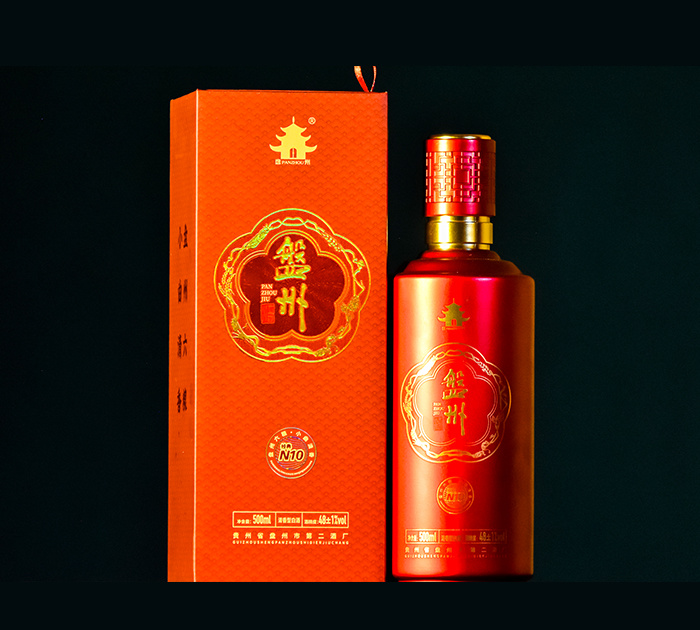
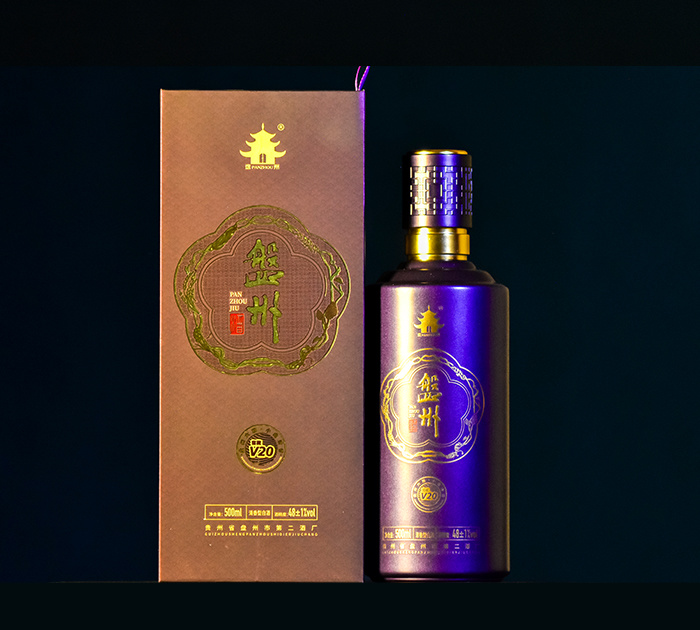
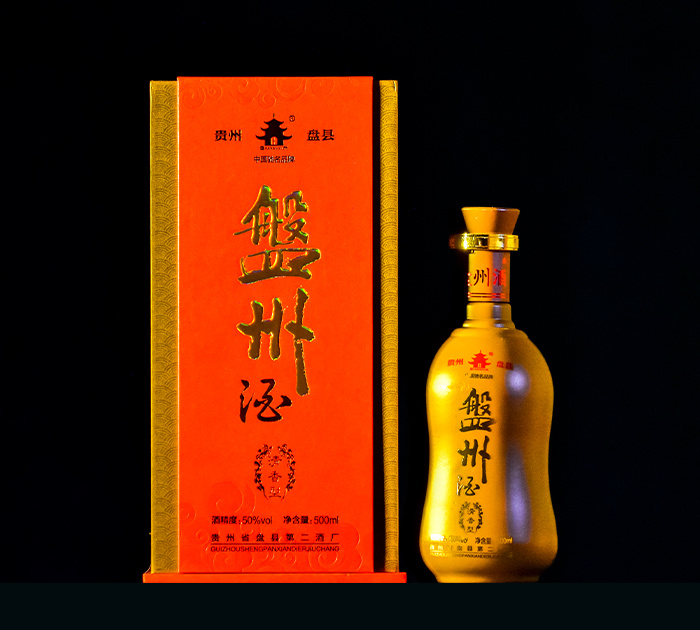
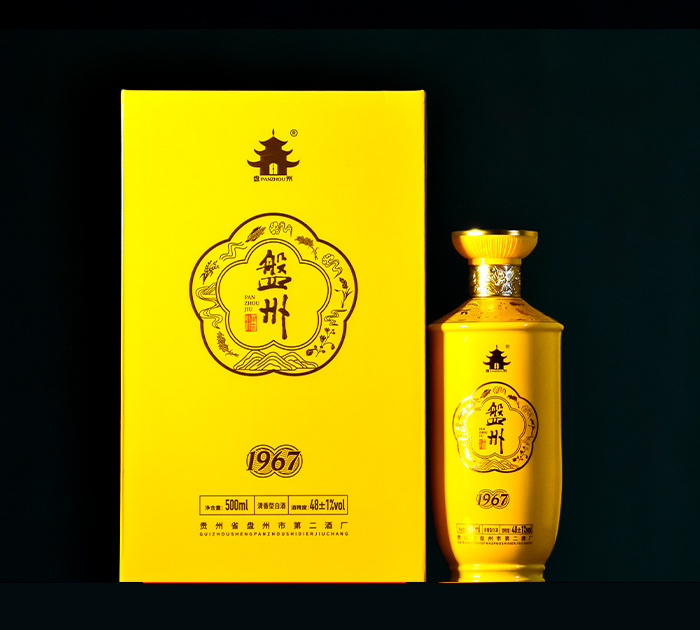
Finished Product Showcase
Light and Fragrant Baijiu is one of China's key categories of traditional liquor, renowned both domestically and internationally for its distinctive characteristics. First, it’s celebrated for its unique aroma, which encompasses a delightful blend of floral, fruity, and herbal notes. Second, this type of Baijiu offers a crisp, refreshing taste with a smooth, mellow body, creating a light yet comforting drinking experience. Moreover, Light and Fragrant Baijiu boasts a relatively high alcohol content, delivering a rich, layered flavor profile that leaves a long-lasting, unforgettable finish.
The brewing process of light-aroma baijiu is incredibly meticulous and intricate. First, high-quality edible grains such as sorghum and rice are carefully selected as the primary ingredients. These are then subjected to steaming, saccharification, and fermentation—processes in which temperature, timing, and the activity of microorganisms are meticulously controlled to convert starch into alcohol. Next, distillation and aging steps follow, further refining the spirit to achieve a cleaner, smoother profile. Finally, after years of careful maturation, the light-aroma baijiu reaches its optimal balance of taste and aroma.

Production Workshop
Su Feng's connection with this fragrant-style baijiu dates back to 1990.
"At the time, I joined the distillery as a statistician, and later took on roles as a cashier and then office director."
In March 1997, the company faced operational challenges as production equipment failed to keep pace with evolving market demands. Although products were in high demand, output remained low, putting the business under financial strain. It was at this critical juncture that Su Feng stepped up, taking on the dual roles of Party Branch Secretary and Factory Director.

Cleaning and disinfection
“Back then, there was a market for our wine, but we simply couldn’t produce enough—no production capacity, no skilled technicians. That’s what kept output low, which in turn led to poor profitability and dampened employee morale, creating a vicious cycle. So, at that time, the most urgent task was to ramp up production.” As he spoke about those days, Su Feng fell into a thoughtful silence, lost in memory.
After officially taking office, he tirelessly appealed to higher authorities and explored every possible avenue to secure funding for expanding the factory—eventually increasing its size to over 1,000 square meters, which significantly improved both the office and production areas. At the same time, he actively recruited skilled technical professionals and worked hard to boost production output. Moreover, he innovated the traditional brewing process by introducing a new method that blends corn with glutinous rice in precise proportions, resulting in a smoother and more refined flavor for the final product.

Drying
"Since we’re primarily focused on the local market, and locals still prefer the light and fragrant style of liquor, we also conduct regular market research to continuously refine our techniques and approaches, ensuring greater customer satisfaction."
Currently, the distillery has a total of 26 employees, with three baijiu production workshops, one packaging workshop, and two warehouses for products and materials.
Every morning at 4 a.m., the distillery kicks off its brewing process, with workers staying busy until around 9 a.m. Once the baijiu is ready, it begins to be bottled and packed from 8 a.m., continuing until 5 p.m.—and that’s when the distillery officially wraps up for the day.

Filling
In Su Feng's office hangs a calligraphic scroll that reads: "Fine wine awaits among coiled dragons and crouching tigers; as the picturesque landscape unfolds, we raise our glasses again and again."
“Some locals have been drinking our factory’s wine for over 40 years—it’s all about tradition and heartfelt connection. That’s why we must maintain even stricter quality standards, ensuring consumers can enjoy safe, reliable Panjiang Wine—and Panzhou Wine—time after time, raising their glasses with confidence.”

Packaging
Keywords:
Panzhou No.2 Winery, Panzhou Wine, Panjiang Wine, Maotai Town Wine, Maotai Town Sauce-Aroma White Liquor, Guizhou Wine
Related News
(Reported by Wan Li, Ma Kangtuo, and Wang Hengxuan) In the depths of winter, workers at the packaging workshop of Panzhou City’s No. 2 Winery are bustling about sealing and wrapping Panjiang liquor. Established in 1967, this winery boasts a history spanning more than 50 years. Emerging from the "Third Front Construction" era, the Panzhou City No. 2 Winery has continuously strengthened its Party-building leadership, driving substantial business growth and achieving steady sales increases for many consecutive years. Located in Panguan Town, Panzhou City, the winery sits between the Sanjiaoshu Mine and the Yueliangtian Mine of Panjiang Coal & Electricity Group. It employs the traditional solid-state brewing method, using six types of grains to craft its signature product—known as "Six-Grain Panjiang Liquor"—with an annual production capacity reaching 420 tons. The establishment of this winery is deeply intertwined with the legacy of the "Third Front Construction." “During the Third Front Construction period, the winery was built right between the Sanjiaoshu Mine and the Yueliangtian Coal Mine,” explained factory director Su Feng. “At that time, miners working underground were often exhausted and exposed to damp, chilly conditions. Building this winery provided them with access to high-quality liquor—helping to relieve rheumatism, dispel coldness, and boost their body heat.”
Panzhou City Bureau of Industry and Information Technology Inspects Safety Production Work
Panzhou Bureau of Industry and Information Technology Inspects Safety Production Work
Du, the Mayor of Panzhou, and Liu, Director of the Bureau of Economy and Information Technology, Conducted a Research Visit
The Liupanshui Municipal People's Congress organizes a调研 (research and investigation) on state-owned enterprise reform.
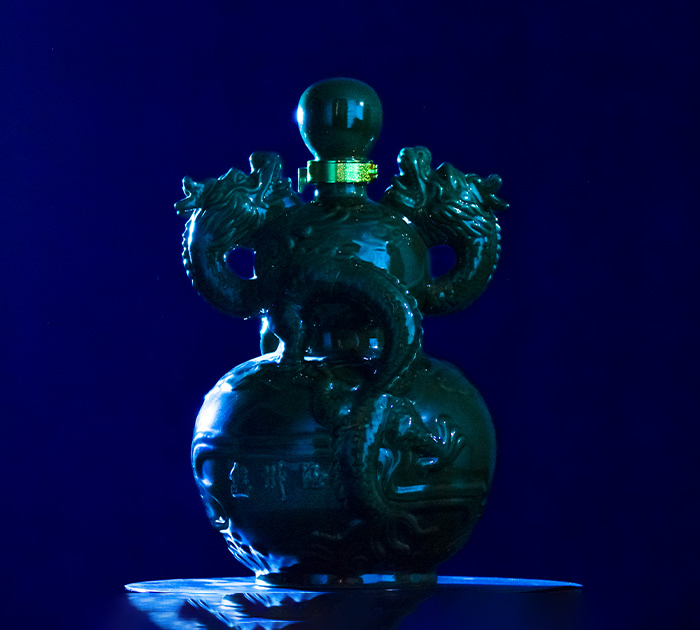
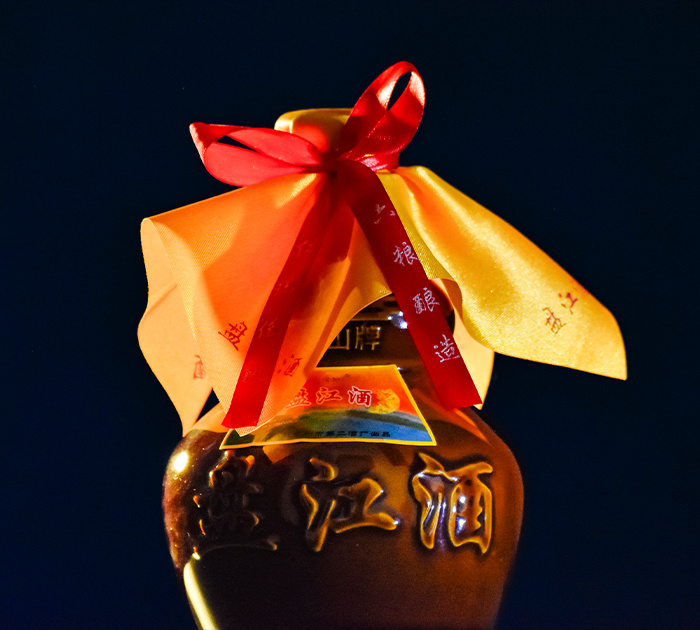
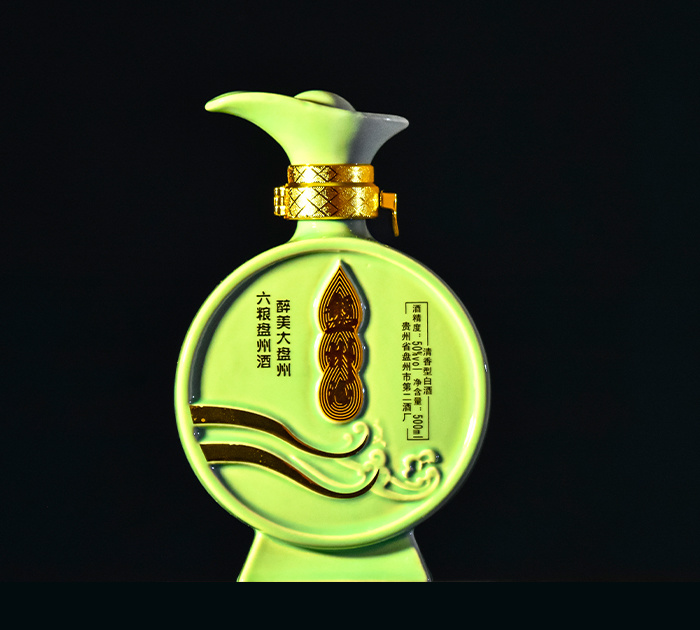
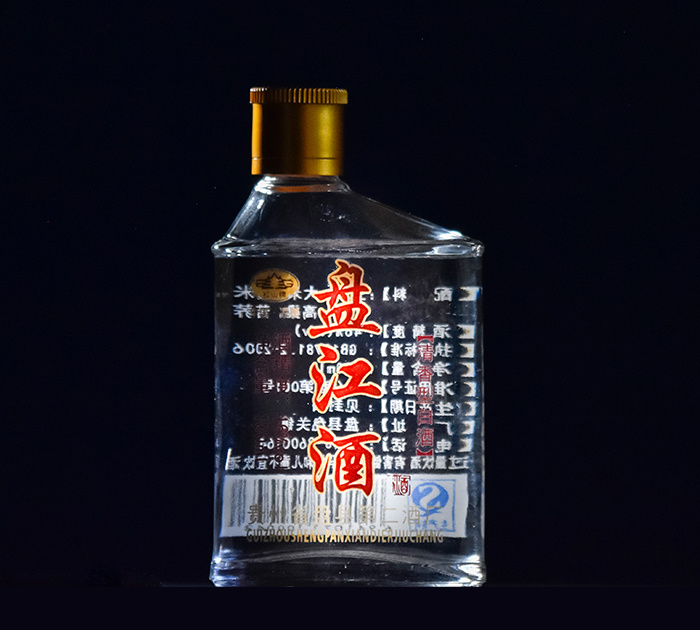
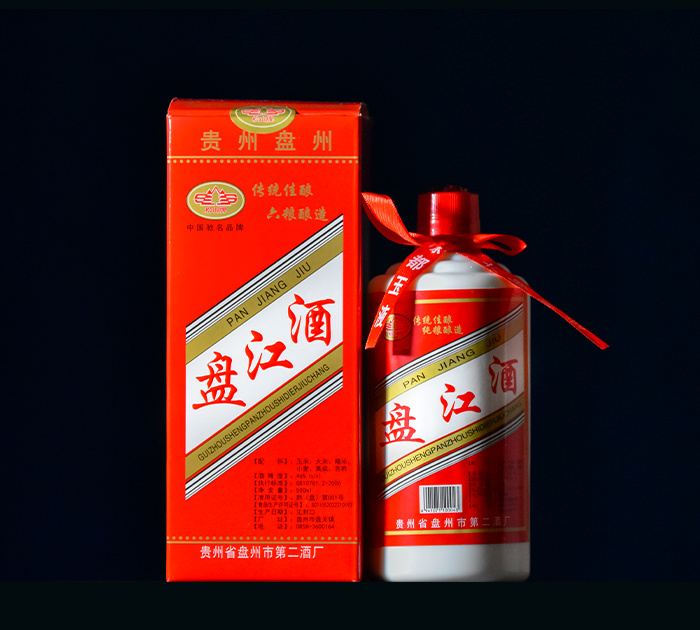
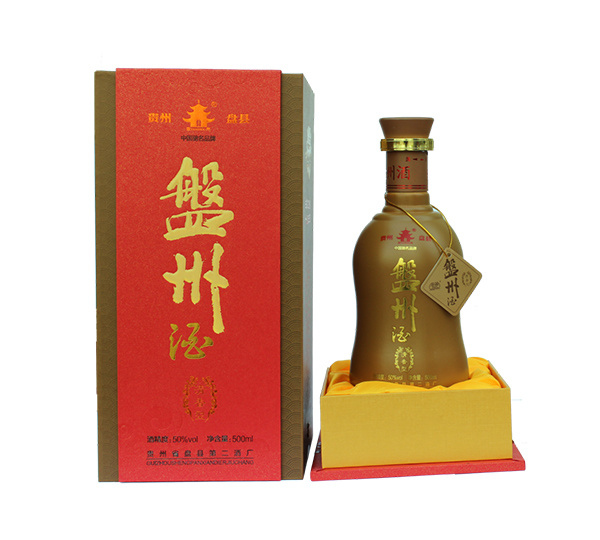
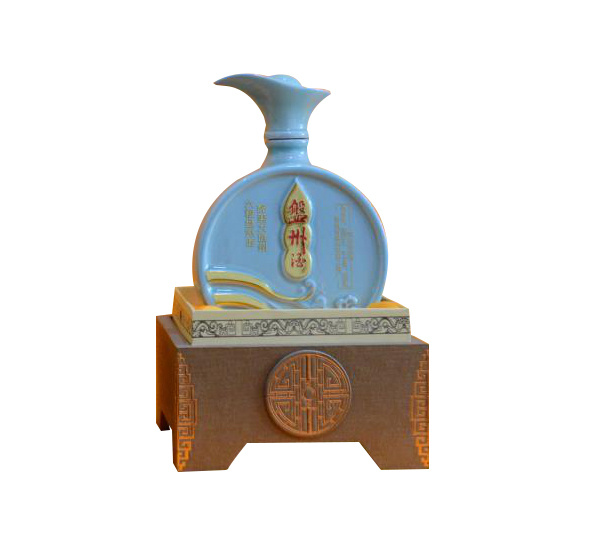
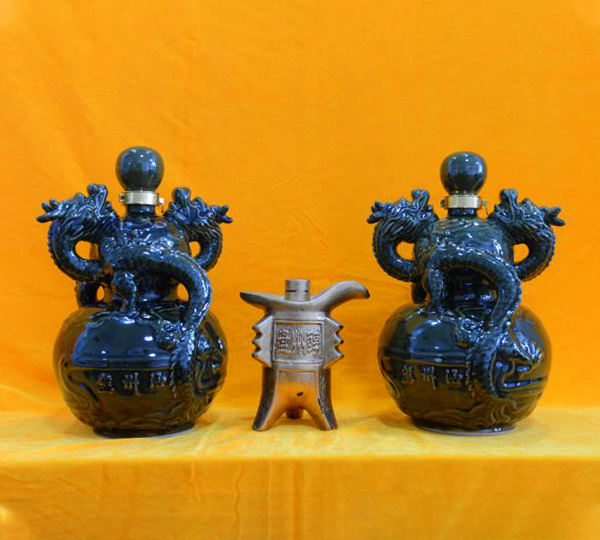
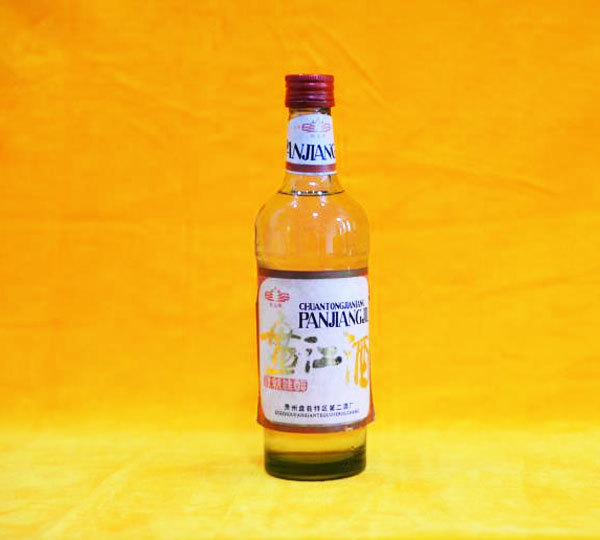
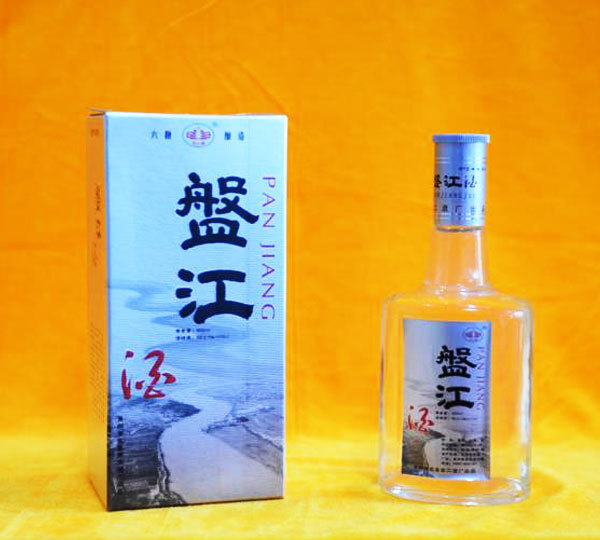
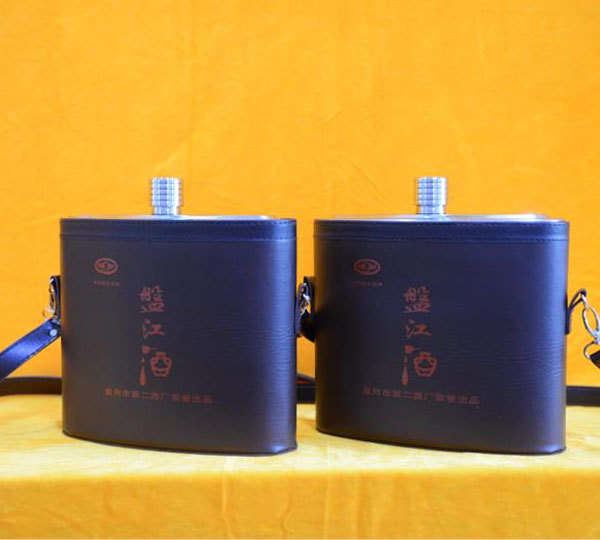
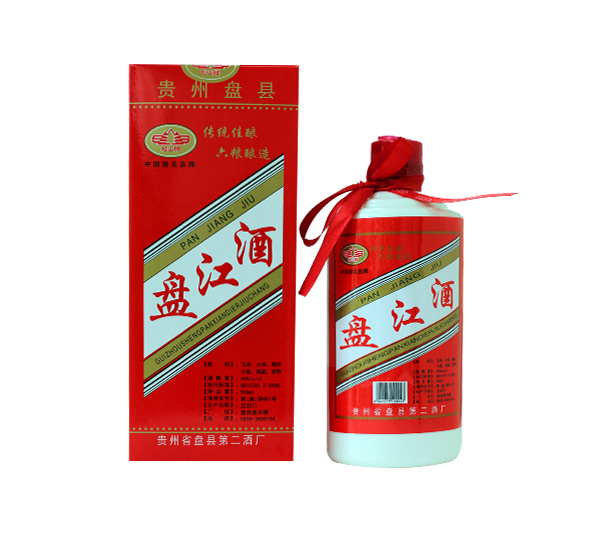

The Second Winery of Panzhou City, Guizhou Province, is located in Panguan Town, Panzhou City, Guizhou Province. Originally known as the Local State-Run Panyan County Second Winery and the Guizhou Province Panyan County Second Winery, it sits between the Sanjiaoshu Mine and the Yueliangtian Mine of Panjiang Coal & Electricity Group, covering an area of more than 40 mu...

Follow us
Copyright © 2023 Guizhou Panzhou No.2 Winery All rights reserved