

Panzhou City Second Winery
Small-batch sauce-aroma, pure-grain brewed
How can you tell the difference between blended liquor and distilled liquor?
Release date:
2021-09-23 12:08
Source:
Consumers know that grain-based liquor is superior, but over 95% of them can’t tell the difference between alcohol-based liquor and grain-based liquor. With so many types of alcoholic beverages on the market, how can we properly identify grain-based liquor from blended or fortified wines? Let’s explore these methods next.
Consumers know that grain-based liquor is superior, but over 95% of them can’t tell the difference between alcohol-based liquor and grain-based liquor. With so many types of alcoholic beverages on the market, how can we properly identify grain-based liquor from blended or fortified wines? Let’s explore these methods next.

1. Turn the bottle upside down and observe
Turn the bottle upside down and shake it, then observe how the wine bubbles change. If the bubbles are dense and disappear slowly, it’s high-quality wine; if there are few bubbles that vanish quickly, it’s low-quality wine.
2. Take a sniff
High-quality liquor emits a delicate, fragrant aroma—its rich, complex scent gently wafts into the nostrils. At first sniff, you’ll detect notes of rice, grain, and the layered, aged essence of fine aged spirits, creating an uplifting, elegant fragrance. Medium-grade liquor, on the other hand, carries a subtle sweetness. But if the drink gives off bitter, foul, off-putting, or unpleasant odors—such as bran-like, cellar-mud stench, or musty tones—it’s clearly a low-quality product.
3. Rub it a bit
After opening the bottle, pour a bit of the liquor into your hands and rub it between both palms to warm it up. If you detect a slight, slightly burnt aroma along with a pleasant grain-like fragrance, then it’s genuine grain alcohol. On the other hand, if the liquor lacks that characteristic burnt smell—whether because it’s been diluted with grain alcohol or contains insufficient amounts of real grain spirit—it simply won’t have that distinctive aroma.
4. Empty Glass Bottle Identification
Pour the wine into a glass, then immediately pour it back out. If the empty glass smells sharp and overpowering—almost "choking"—it’s likely alcohol-blended wine. However, if after about 10 minutes the aroma has faded completely from the glass, that confirms it’s alcohol-blended wine. On the other hand, if the glass still carries a rich, lingering fragrance—featuring notes of grain, wine, and fermented residue—it’s definitely authentic brewed wine. The longer and stronger the aroma persists, the higher the quality and concentration of the brewed wine.
Keywords:
Panzhou No.2 Winery, Panzhou Wine, Panjiang Wine, Maotai Town Wine, Maotai Town Sauce-Aroma White Liquor, Guizhou Wine
Previous page
Next page
Related News
What makes a baijiu considered good liquor?
When it comes to drinking alcohol, everyone naturally thinks of baijiu—among the elders and loved ones around us, there’s a deep, irreplaceable passion for this traditional liquor.
How can you tell the difference between blended liquor and distilled liquor?
Consumers know that grain-based liquor is superior, but over 95% of them can’t tell the difference between alcohol-based liquor and grain-based liquor. With so many types of alcoholic beverages on the market, how can we properly identify grain-based liquor from blended or fortified wines? Let’s explore these methods next.
Why is Daqu Jiangxiang liquor so expensive?
Daqu sauce-aroma liquor is also among the relatively expensive varieties—so what makes it so pricey?
Brewing Techniques: Kunsha, Suisha, Fansha, and Chuanxiang
In fact, there are many subtle distinctions within the category of *jiangxiang*-style baijiu, each influencing the liquor's unique texture and flavor profile. These distinctions can be broadly categorized into four distinct production methods: Kunsha, Suisha, Fansha, and Chuanxiang. But how does each of these methods shape the final taste and character of the sauce-aroma spirit?
According to a statement released by the China Alcoholic Industry Association on May 31, while the pandemic has not yet fully subsided, the baijiu industry is already seeing widespread price increases.
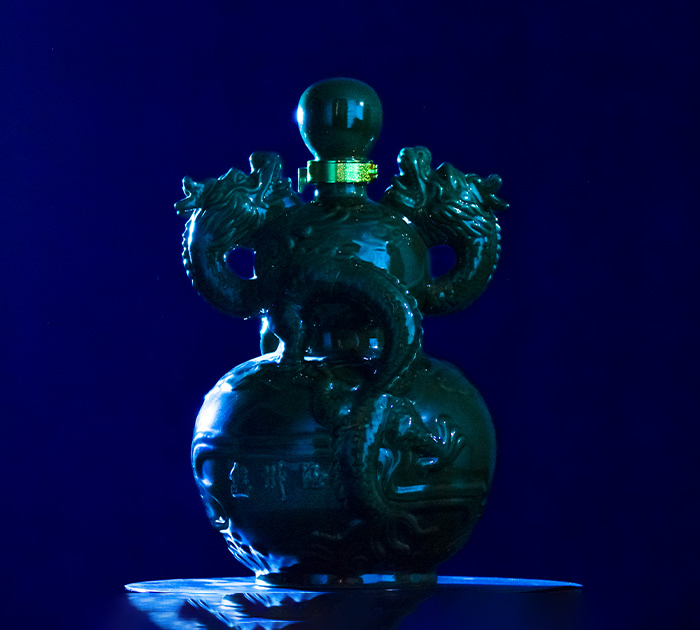
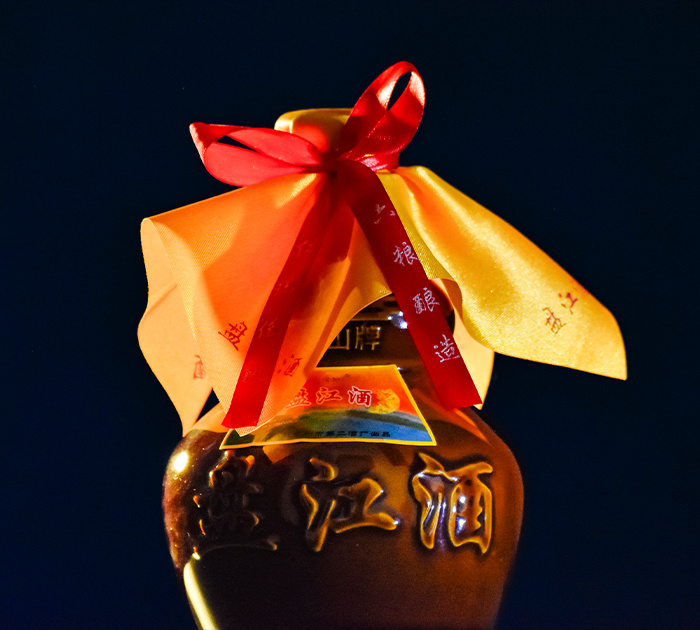
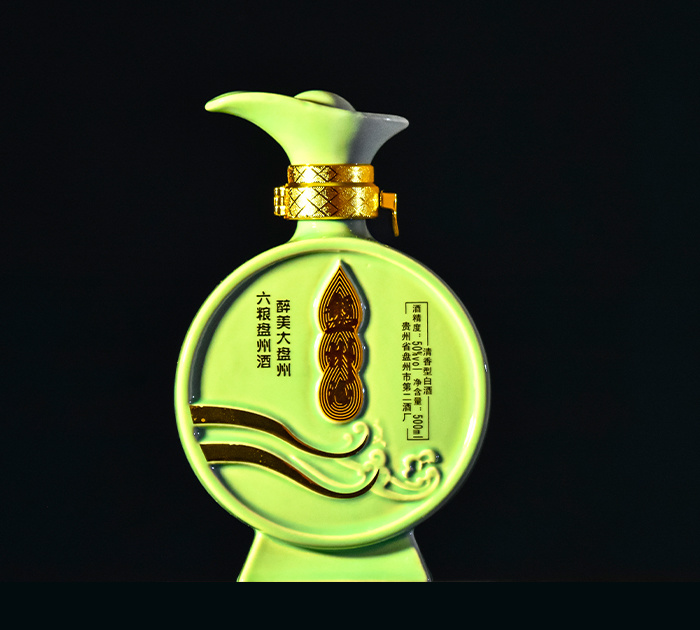
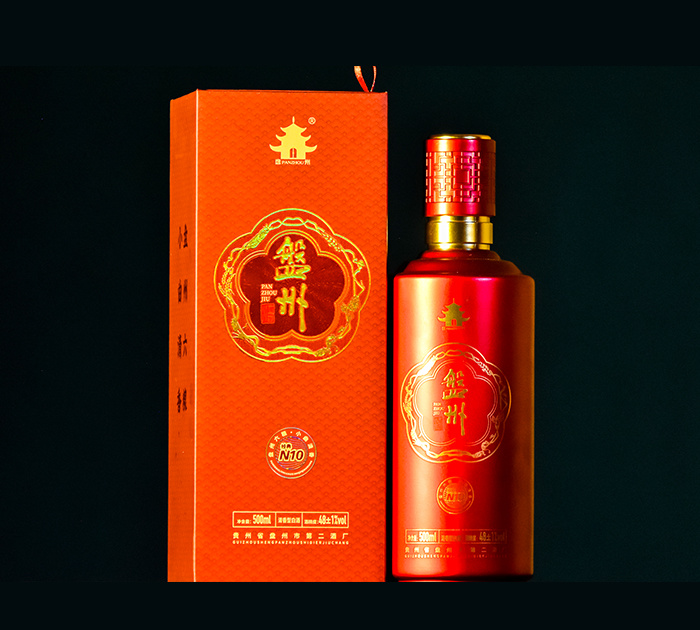
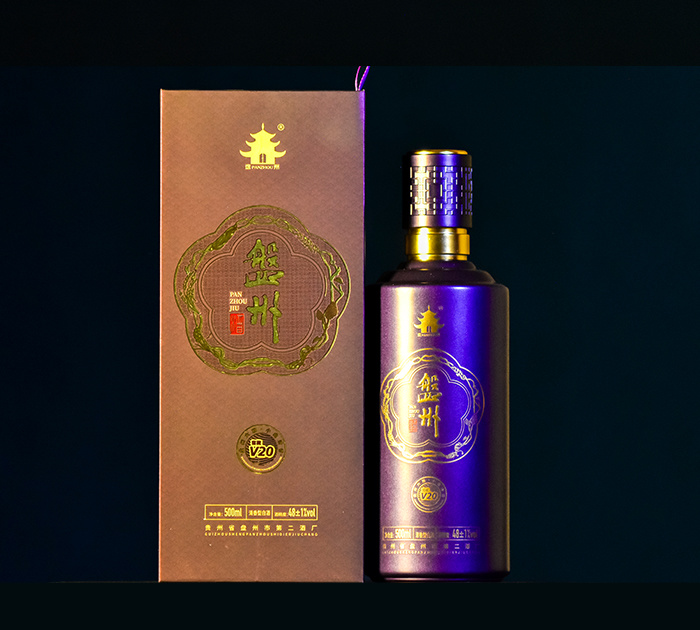
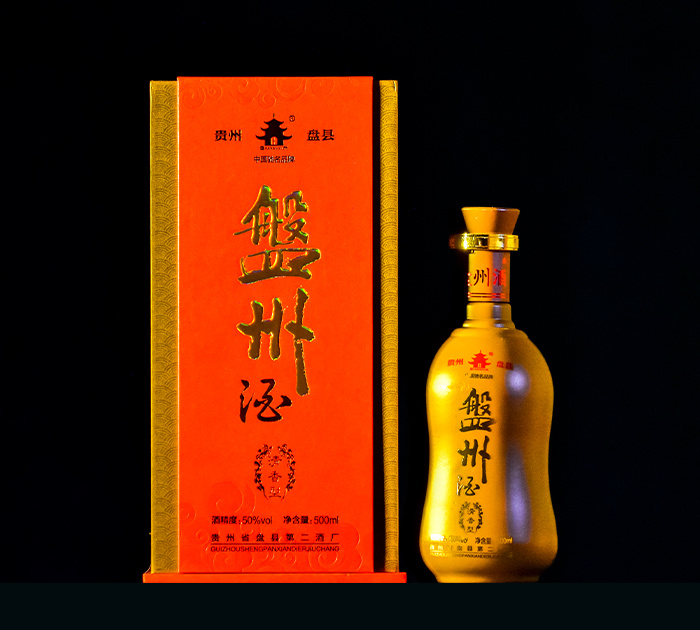
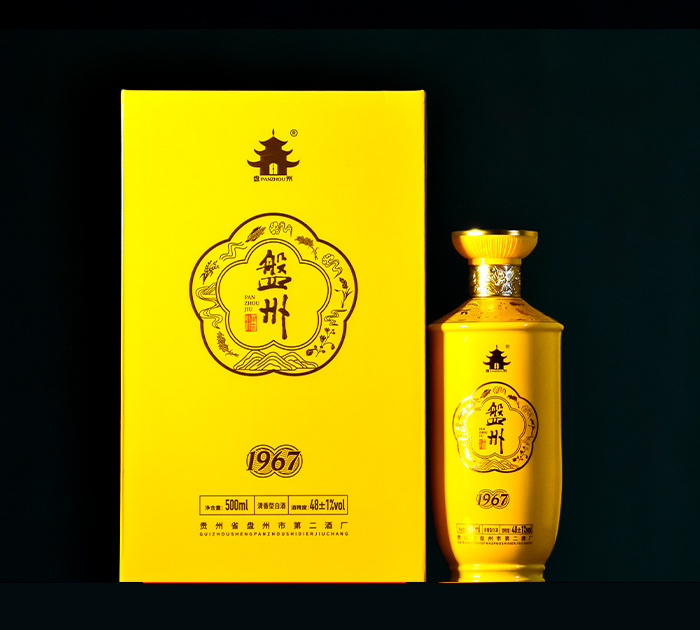
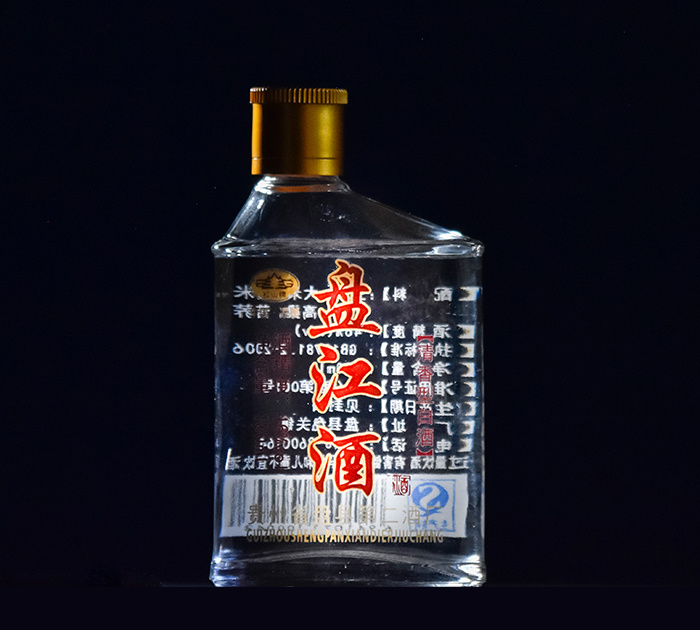
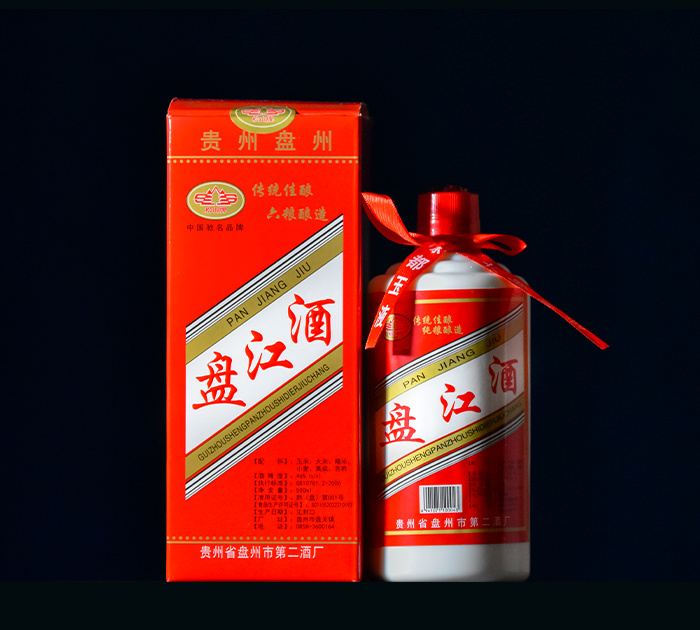
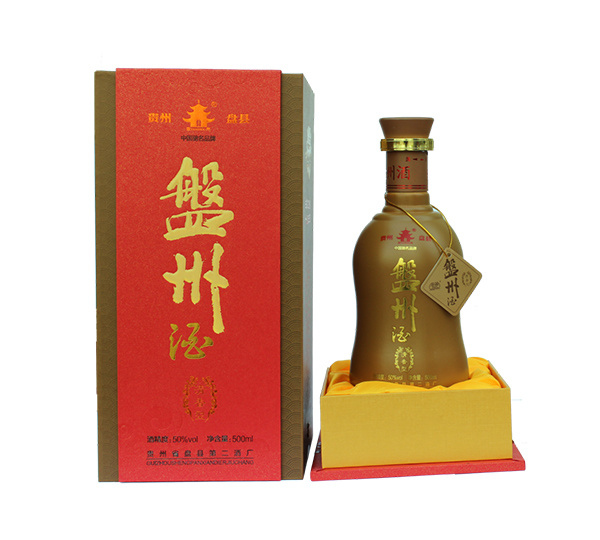
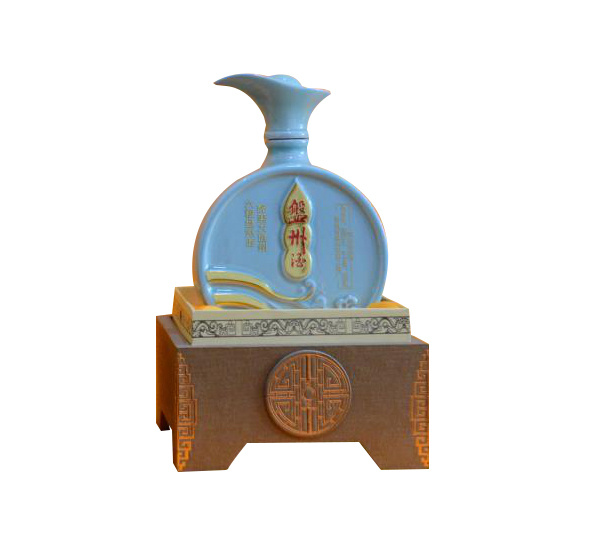
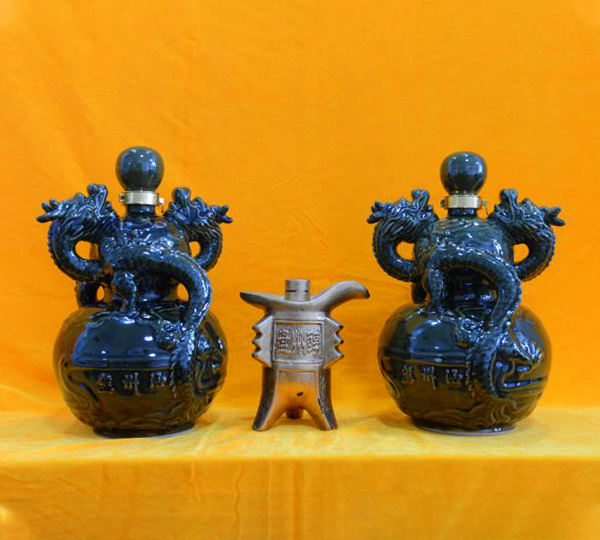
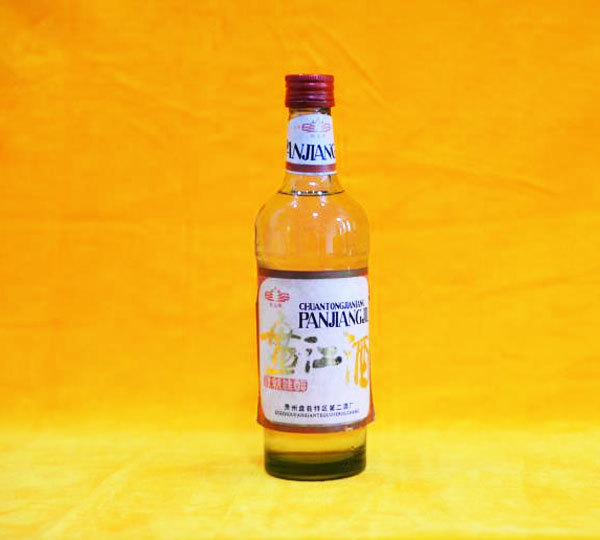
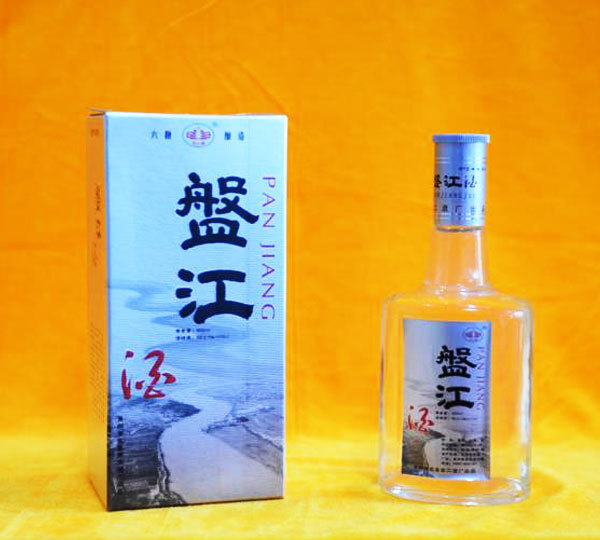
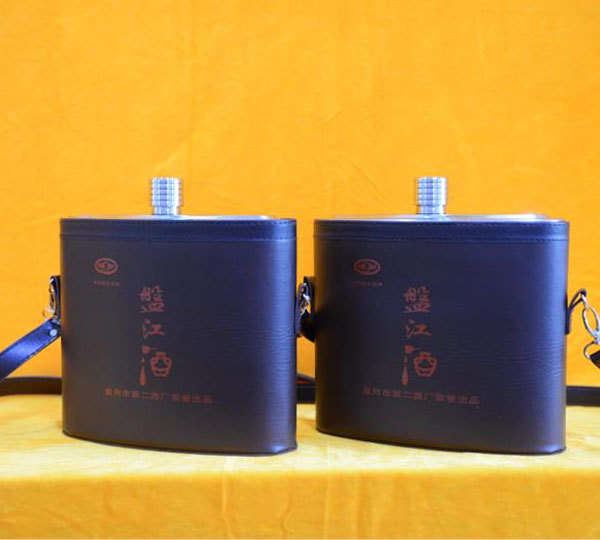
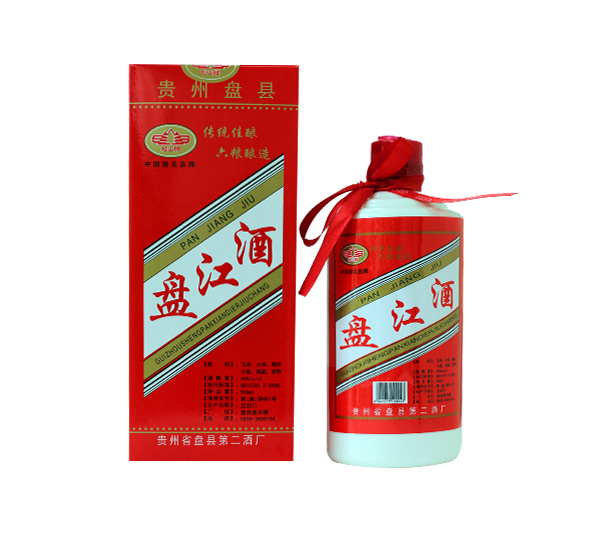

The Second Winery of Panzhou City, Guizhou Province, is located in Panguan Town, Panzhou City, Guizhou Province. Originally known as the Local State-Run Panyan County Second Winery and the Guizhou Province Panyan County Second Winery, it sits between the Sanjiaoshu Mine and the Yueliangtian Mine of Panjiang Coal & Electricity Group, covering an area of more than 40 mu...

Follow us
Copyright © 2023 Guizhou Panzhou No.2 Winery All rights reserved