

Panzhou City Second Winery
Small-batch sauce-aroma, pure-grain brewed
How can you tell the difference between blended liquor and distilled liquor?
Release date:
2021-09-23 12:08
Source:
Consumers know that grain-based liquor is superior, but over 95% of them can’t tell the difference between alcohol-based liquor and grain-based liquor. With so many types of alcoholic beverages on the market, how can we properly identify grain-based liquor from blended or fortified wines? Let’s explore these methods next.
Consumers know that grain-based liquor is superior, but over 95% of them can’t tell the difference between alcohol-based liquor and grain-based liquor. With so many types of alcoholic beverages on the market, how can we properly identify grain-based liquor from blended or fortified wines? Let’s explore these methods next.

1. Turn the bottle upside down and observe
Turn the bottle upside down and shake it, then observe how the wine bubbles change. If the bubbles are dense and disappear slowly, it’s high-quality wine; if there are few bubbles that vanish quickly, it’s low-quality wine.
2. Take a sniff
High-quality liquor emits a delicate, fragrant aroma—its rich, complex scent gently wafts into the nostrils. At first sniff, you’ll detect notes of rice, grain, and the layered, aged essence of fine aged spirits, creating an uplifting, elegant fragrance. Medium-grade liquor, on the other hand, carries a subtle sweetness. But if the drink gives off bitter, foul, off-putting, or unpleasant odors—such as bran-like, cellar-mud stench, or musty tones—it’s clearly a low-quality product.
3. Rub it a bit
After opening the bottle, pour a bit of the liquor into your hands and rub it between both palms to warm it up. If you detect a slight, slightly burnt aroma along with a pleasant grain-like fragrance, then it’s genuine grain alcohol. On the other hand, if the liquor lacks that characteristic burnt smell—whether because it’s been diluted with grain alcohol or contains insufficient amounts of real grain spirit—it simply won’t have that distinctive aroma.
4. Empty Glass Bottle Identification
Pour the wine into a glass, then immediately pour it back out. If the empty glass smells sharp and overpowering—almost "choking"—it’s likely alcohol-blended wine. However, if after about 10 minutes the aroma has faded completely from the glass, that confirms it’s alcohol-blended wine. On the other hand, if the glass still carries a rich, lingering fragrance—featuring notes of grain, wine, and fermented residue—it’s definitely authentic brewed wine. The longer and stronger the aroma persists, the higher the quality and concentration of the brewed wine.
Keywords:
Panzhou No.2 Winery, Panzhou Wine, Panjiang Wine, Maotai Town Wine, Maotai Town Sauce-Aroma White Liquor, Guizhou Wine
Previous page
Next page
Related News
(Reported by Wan Li, Ma Kangtuo, and Wang Hengxuan) In the depths of winter, workers at the packaging workshop of Panzhou City’s No. 2 Winery are bustling about sealing and wrapping Panjiang liquor. Established in 1967, this winery boasts a history spanning more than 50 years. Emerging from the "Third Front Construction" era, the Panzhou City No. 2 Winery has continuously strengthened its Party-building leadership, driving substantial business growth and achieving steady sales increases for many consecutive years. Located in Panguan Town, Panzhou City, the winery sits between the Sanjiaoshu Mine and the Yueliangtian Mine of Panjiang Coal & Electricity Group. It employs the traditional solid-state brewing method, using six types of grains to craft its signature product—known as "Six-Grain Panjiang Liquor"—with an annual production capacity reaching 420 tons. The establishment of this winery is deeply intertwined with the legacy of the "Third Front Construction." “During the Third Front Construction period, the winery was built right between the Sanjiaoshu Mine and the Yueliangtian Coal Mine,” explained factory director Su Feng. “At that time, miners working underground were often exhausted and exposed to damp, chilly conditions. Building this winery provided them with access to high-quality liquor—helping to relieve rheumatism, dispel coldness, and boost their body heat.”
Panzhou City Bureau of Industry and Information Technology Inspects Safety Production Work
Panzhou Bureau of Industry and Information Technology Inspects Safety Production Work
Du, the Mayor of Panzhou, and Liu, Director of the Bureau of Economy and Information Technology, Conducted a Research Visit
The Liupanshui Municipal People's Congress organizes a调研 (research and investigation) on state-owned enterprise reform.
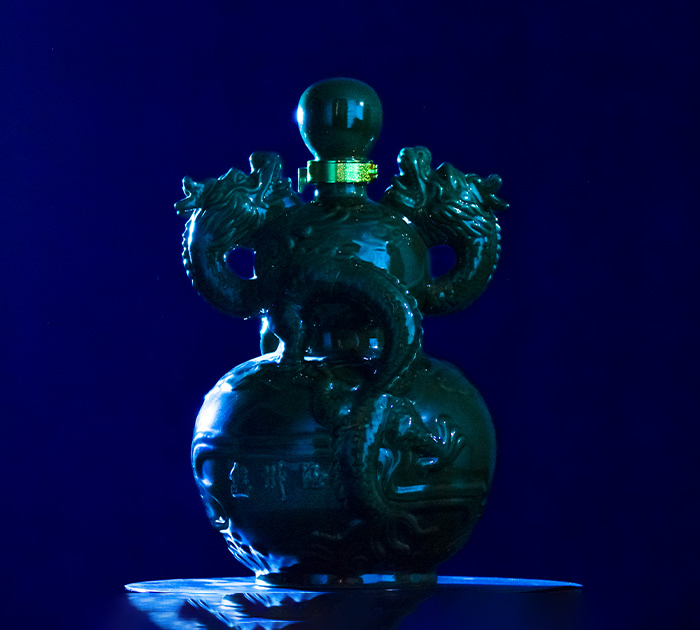
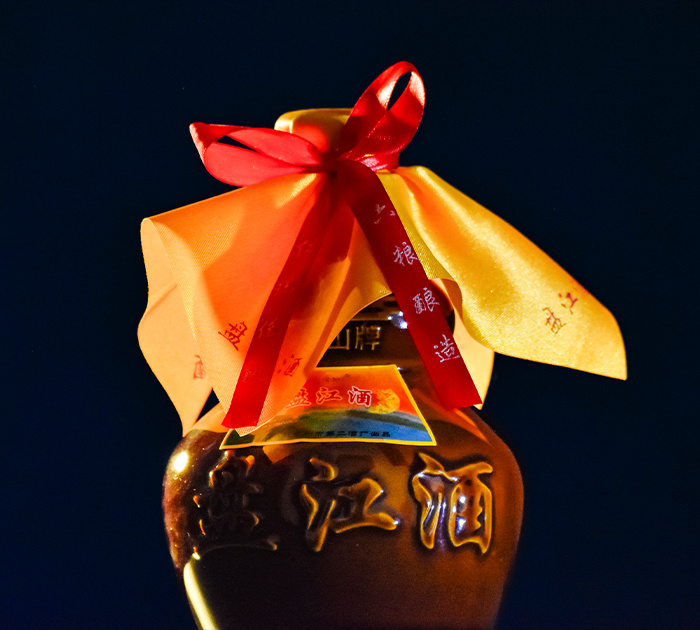
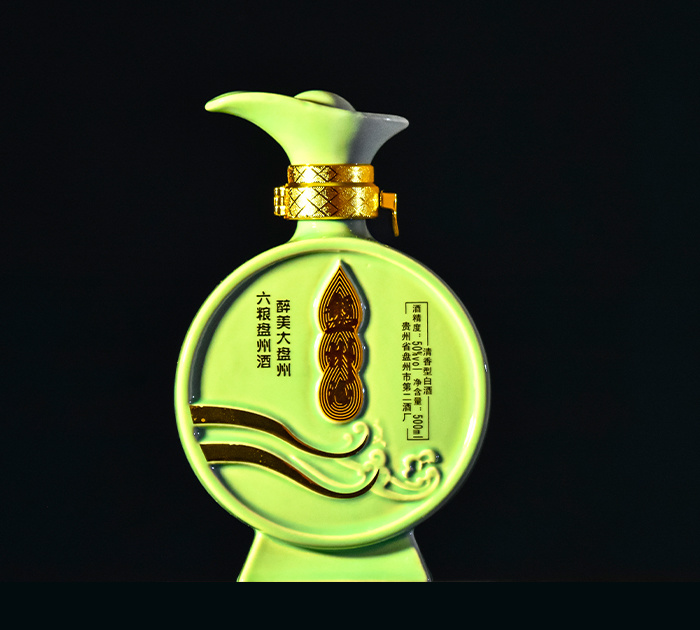
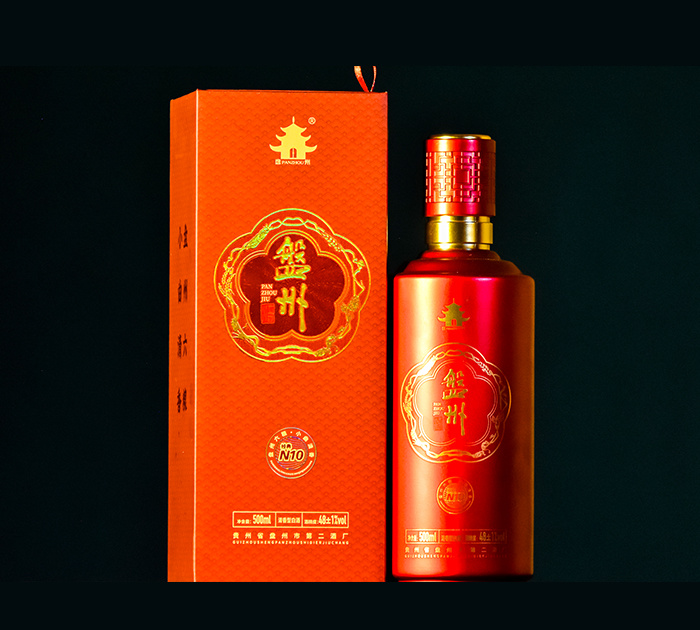
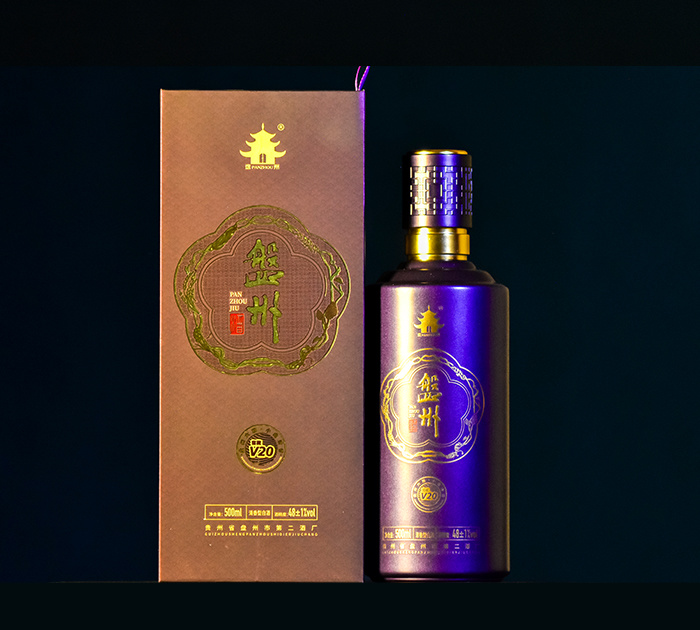
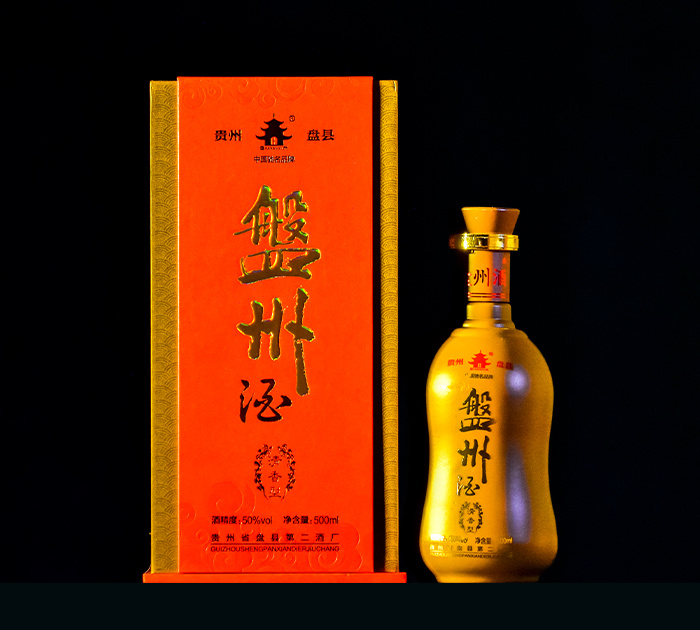
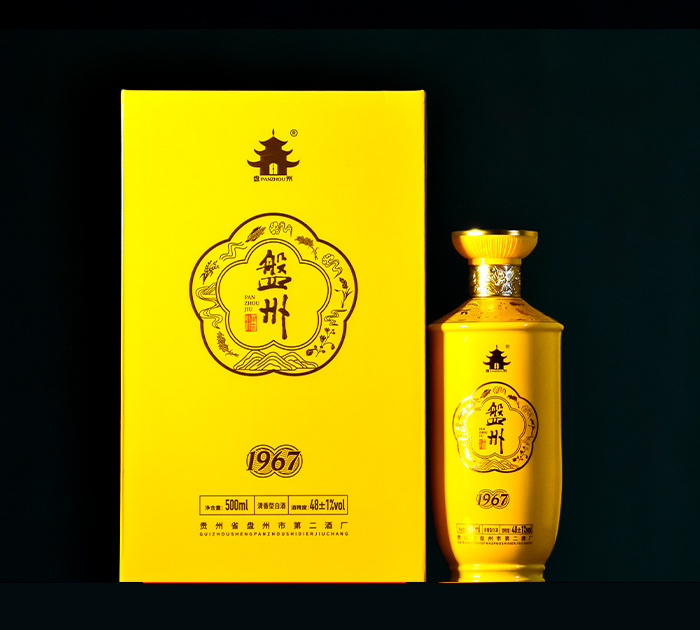
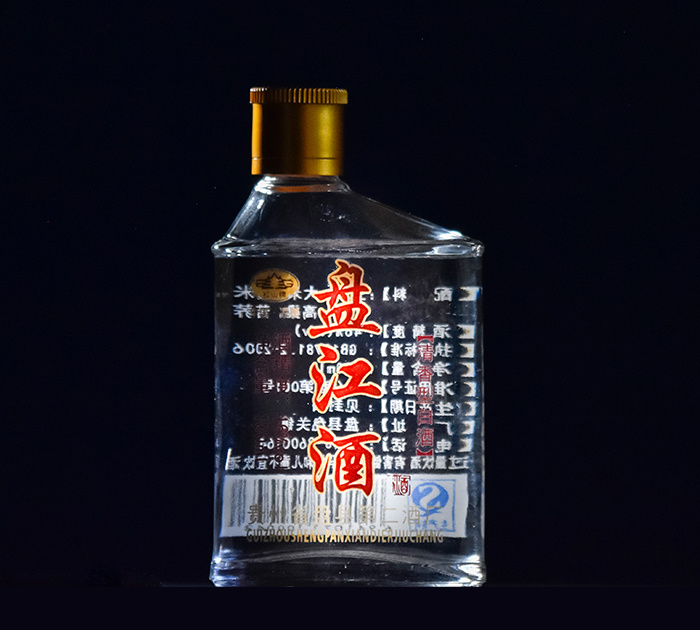
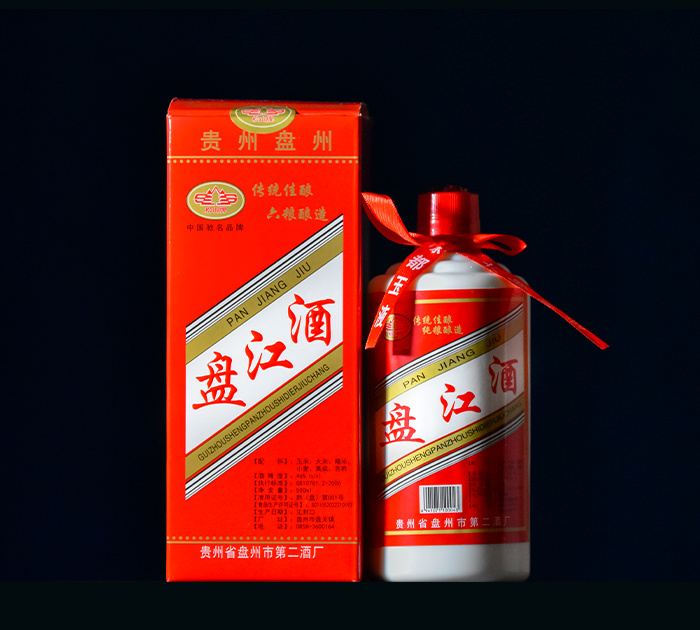
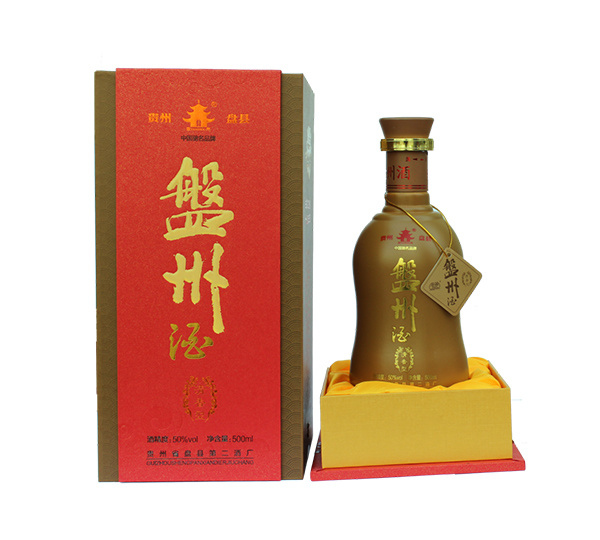
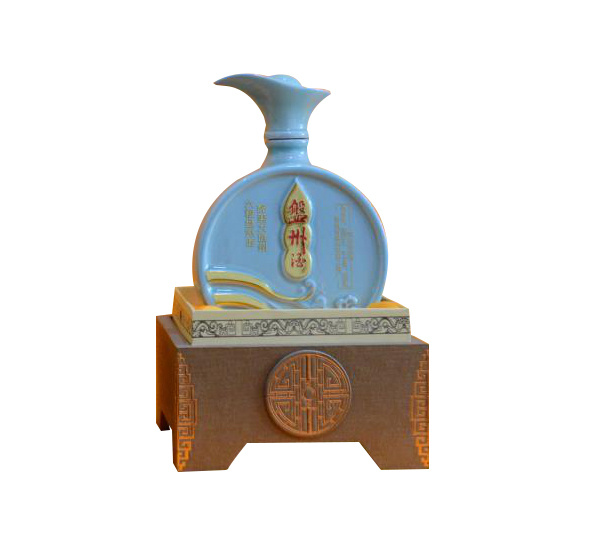
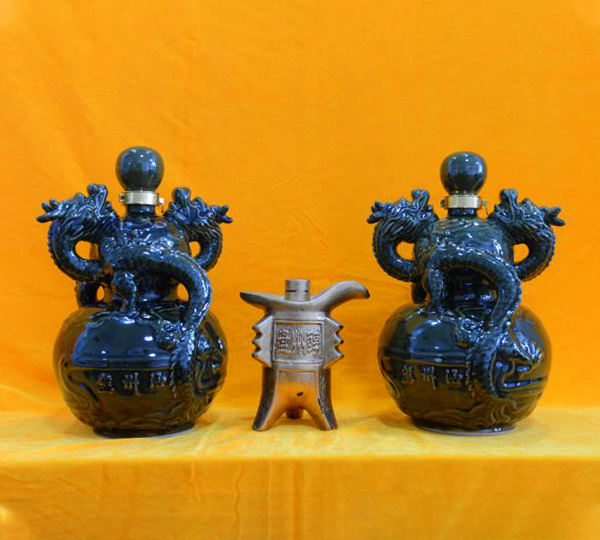
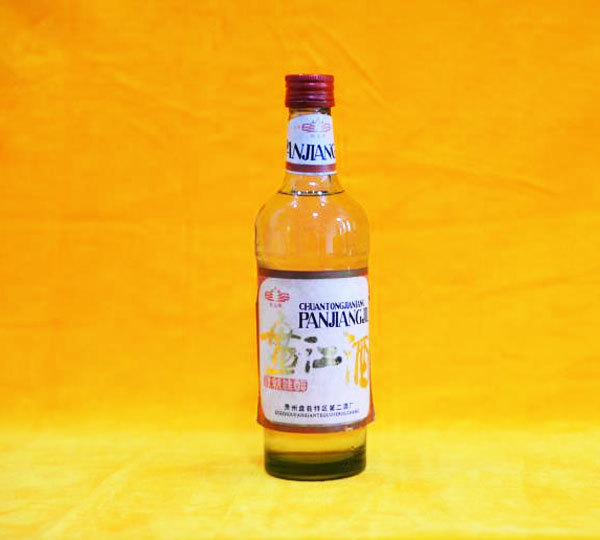
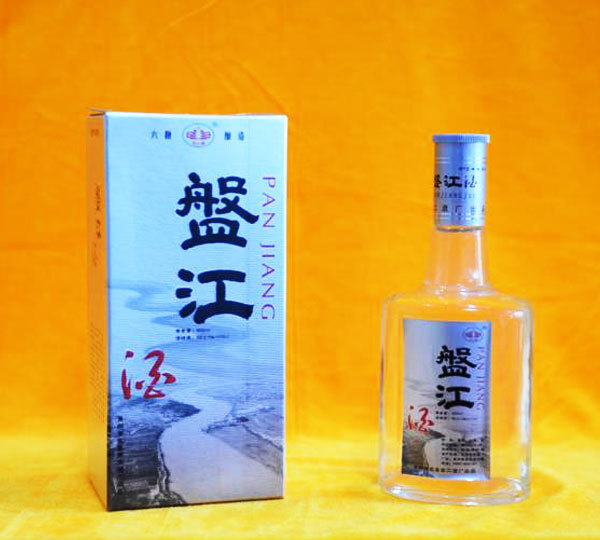
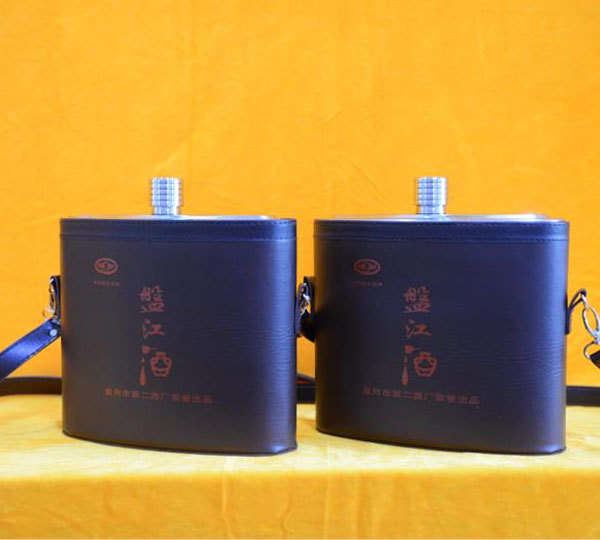
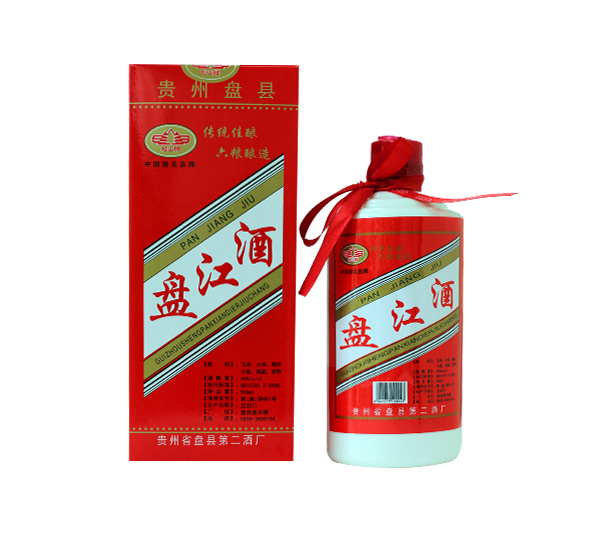

The Second Winery of Panzhou City, Guizhou Province, is located in Panguan Town, Panzhou City, Guizhou Province. Originally known as the Local State-Run Panyan County Second Winery and the Guizhou Province Panyan County Second Winery, it sits between the Sanjiaoshu Mine and the Yueliangtian Mine of Panjiang Coal & Electricity Group, covering an area of more than 40 mu...

Follow us
Copyright © 2023 Guizhou Panzhou No.2 Winery All rights reserved