

Panzhou City Second Winery
Small-batch sauce-aroma, pure-grain brewed
Is it easier to get drunk from drinking beer or baijiu?
Release date:
2021-09-23 12:00
Source:
It’s a day people eagerly look forward to during holidays and festivals, as it gives them the chance to reunite with classmates and friends they haven’t seen in ages—and of course, enjoy some drinks together. Especially during the Spring Festival, after the celebrations wind down, many people find themselves with nothing much to do. Instead of heading straight back to work, they spend their days either lounging around, eating, and waiting for the office to reopen—or diving into games of cards and rounds of drinking.
It’s a day people eagerly look forward to during holidays, as it gives them the chance to reunite with classmates and friends they haven’t seen in ages—and of course, enjoy some drinks together. Especially during the Spring Festival, after the celebrations wind down, many people find themselves with nothing much to do. Days turn into endless cycles of eating, lounging around, and then heading straight to the office—or, if they’re off work, diving into card games and drinking sessions instead. Yet, when it comes to alcohol, preferences vary widely: some folks prefer beer, while others swear by baijiu (Chinese white liquor). Everyone has their own unique tastes, opinions, and habits, leading to different choices. And let’s not forget the occasional daredevil who isn’t fazed by either—so it’s not uncommon for someone to mix beer and baijiu together just to "encourage" their friend to drink more. But here’s the thing—they might not even realize which one—the beer or the baijiu—is actually more likely to make them tipsy.
Is it easier to get drunk from drinking beer or baijiu?
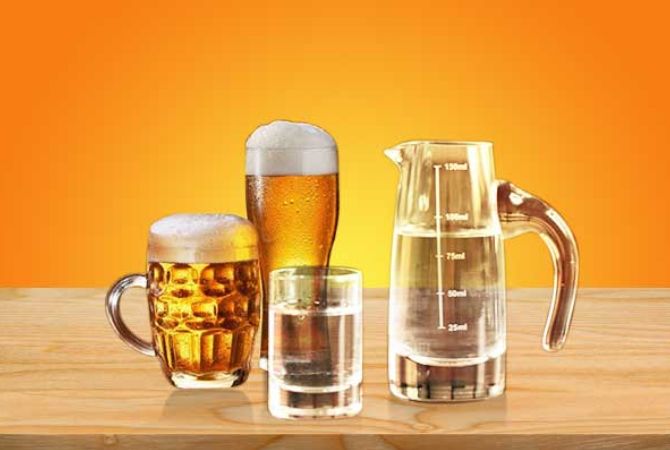
First of all, it’s important to note that baijiu has a much higher alcohol content than beer. Yet, when people drink baijiu, they typically sip it slowly in small cups or take tiny, deliberate gulps—rarely do they down large quantities in one go. Beer, on the other hand, with its lower alcohol level, often encourages people to drink more freely and generously. Sometimes, to save face, they’ll even compete with others by drinking straight from the bottle, chugging loudly—a behavior that easily leads to consuming far greater amounts of alcohol overall. As a result, the total alcohol intake from beer can end up being significantly higher than that from baijiu, meaning the body ends up processing more alcohol after all.
Many people get confused here—so what’s actually better to drink? Well, the answer mostly depends on your own physical condition, since in many cases, some folks handle baijiu like pros, while others really shine with beer. As anyone who regularly drinks beer knows, it has a distinct flavor of its own. And here’s the kicker: the more you drink, the stronger that beer flavor becomes. That’s exactly why I personally don’t enjoy beer—just one or two glasses are fine, but once you go overboard, even the smell makes me want to gag.
Compared to beer, baijiu feels much cleaner and more straightforward—after all, it has a higher alcohol content, so people typically don’t push you to drink too much; you can simply pour yourself according to your usual capacity. With beer, though, others often have no clear idea of how much you can handle, which leads them to keep offering more—and before you know it, you’re already drunk. People who drink beer often lose track of their limits because they assume its lower alcohol content means they can still manage a bit more without getting tipsy.
In fact, whether it's beer or baijiu, getting intoxicated is inevitable—even the beer served at KTVs can leave you completely out of it if you drink too much. What we should focus on isn’t *what* kind of alcohol we’re drinking, but rather how to enjoy it responsibly by sipping less. While everyone knows that a little alcohol can have its perks, few realize that excessive drinking does more harm than good. No matter the type of beverage, the key is to know your limit—there’s no need to push yourself to the point of losing consciousness.
Keywords:
Panzhou No.2 Winery, Panzhou Wine, Panjiang Wine, Maotai Town Wine, Maotai Town Sauce-Aroma White Liquor, Guizhou Wine
Related News
What makes a baijiu considered good liquor?
When it comes to drinking alcohol, everyone naturally thinks of baijiu—among the elders and loved ones around us, there’s a deep, irreplaceable passion for this traditional liquor.
How can you tell the difference between blended liquor and distilled liquor?
Consumers know that grain-based liquor is superior, but over 95% of them can’t tell the difference between alcohol-based liquor and grain-based liquor. With so many types of alcoholic beverages on the market, how can we properly identify grain-based liquor from blended or fortified wines? Let’s explore these methods next.
Why is Daqu Jiangxiang liquor so expensive?
Daqu sauce-aroma liquor is also among the relatively expensive varieties—so what makes it so pricey?
Brewing Techniques: Kunsha, Suisha, Fansha, and Chuanxiang
In fact, there are many subtle distinctions within the category of *jiangxiang*-style baijiu, each influencing the liquor's unique texture and flavor profile. These distinctions can be broadly categorized into four distinct production methods: Kunsha, Suisha, Fansha, and Chuanxiang. But how does each of these methods shape the final taste and character of the sauce-aroma spirit?
According to a statement released by the China Alcoholic Industry Association on May 31, while the pandemic has not yet fully subsided, the baijiu industry is already seeing widespread price increases.
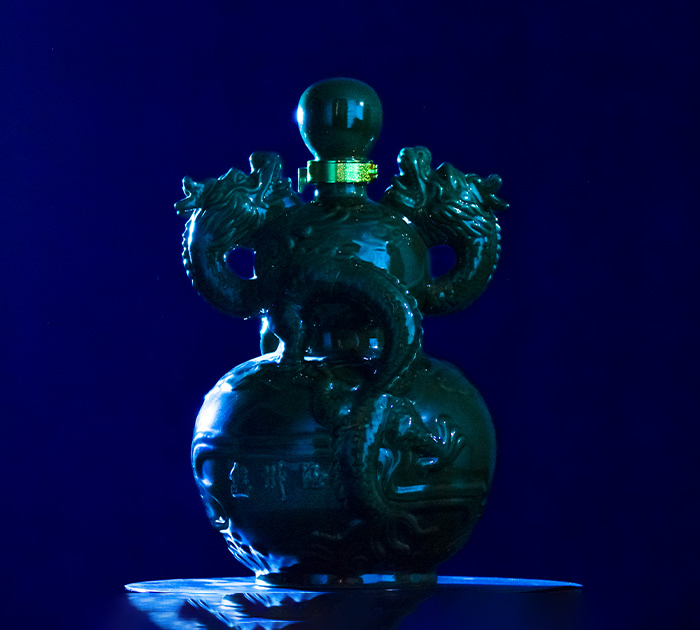
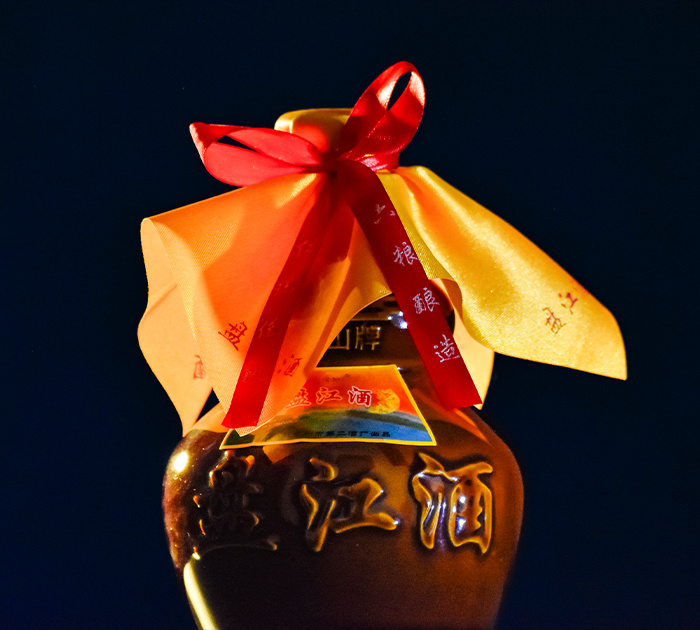
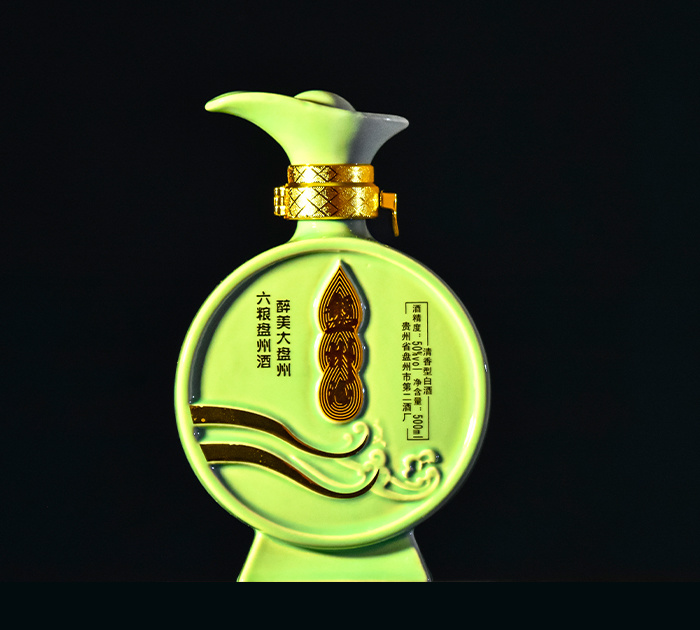
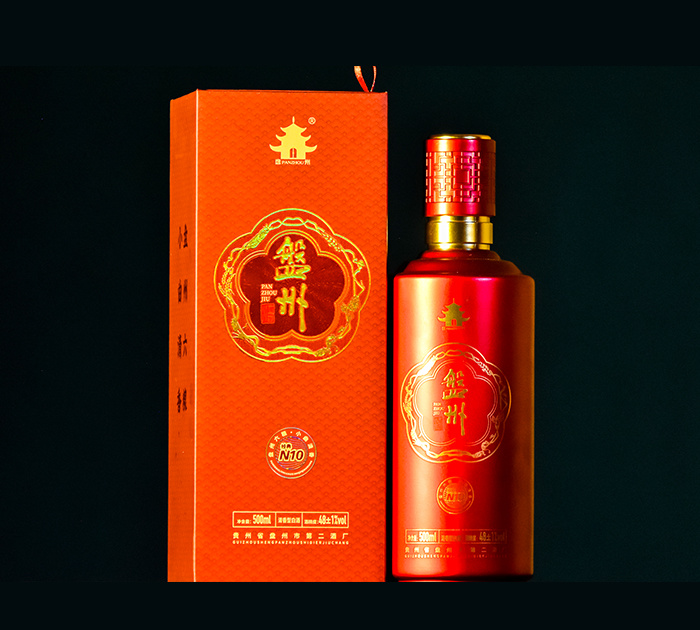
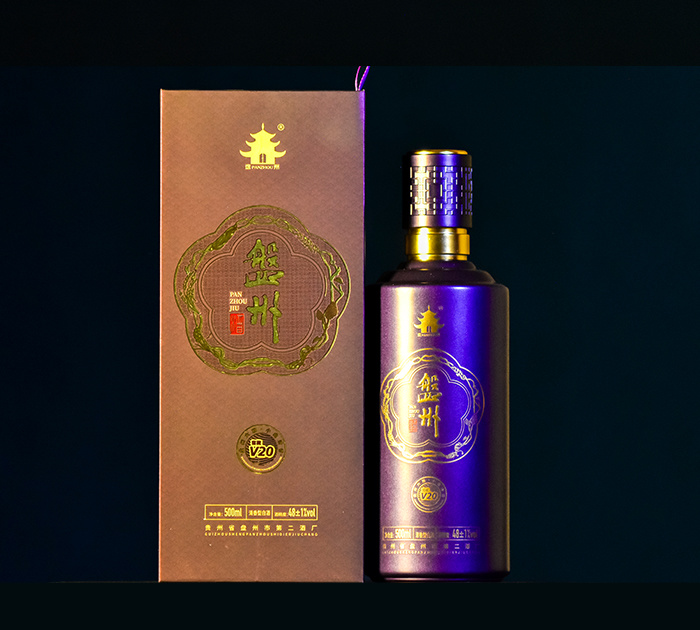
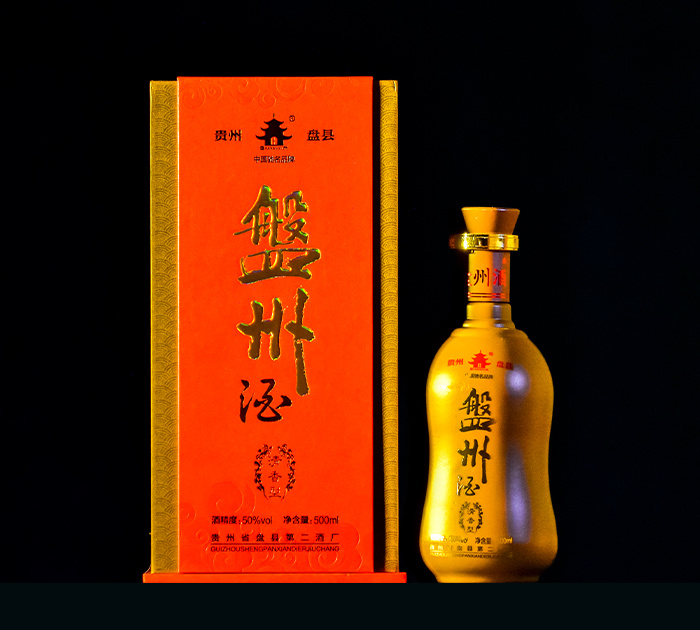
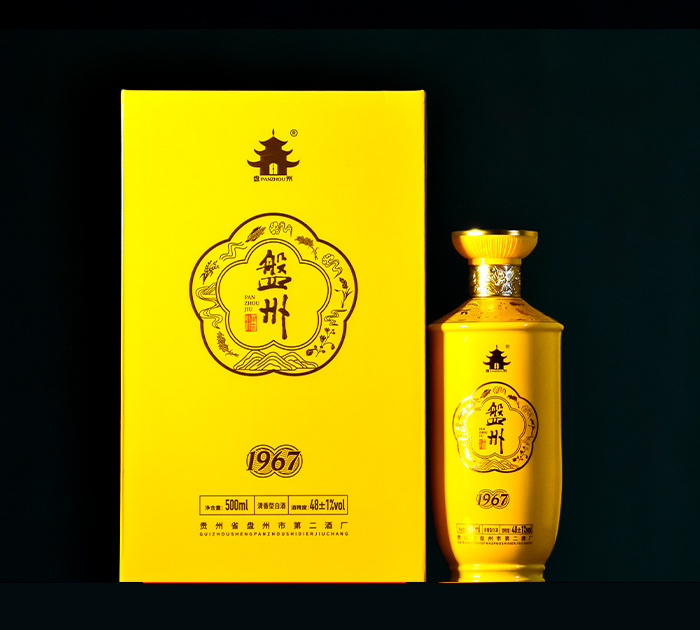
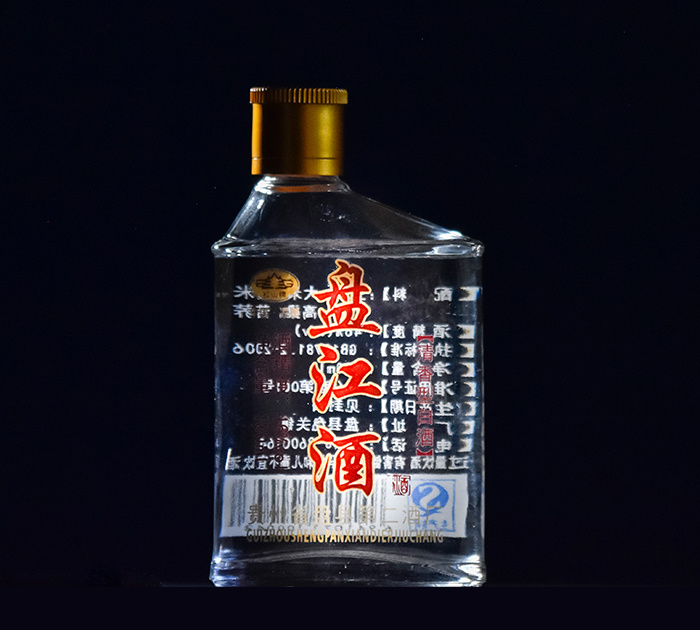
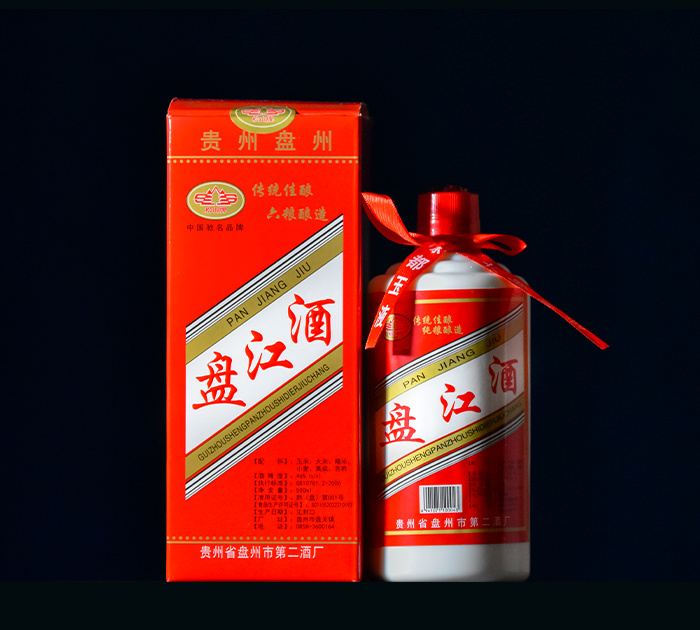
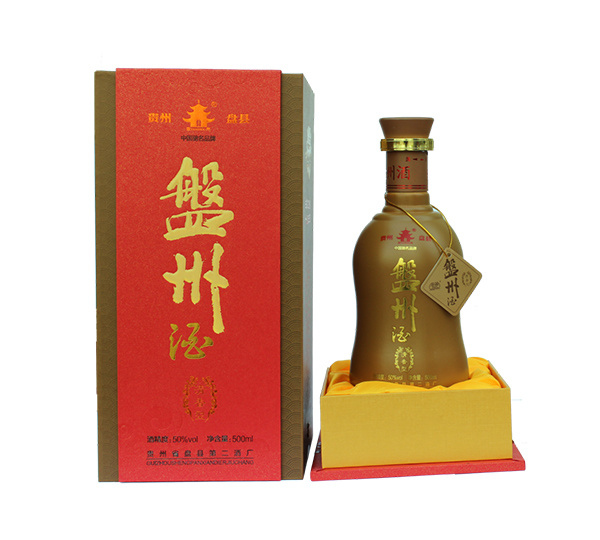
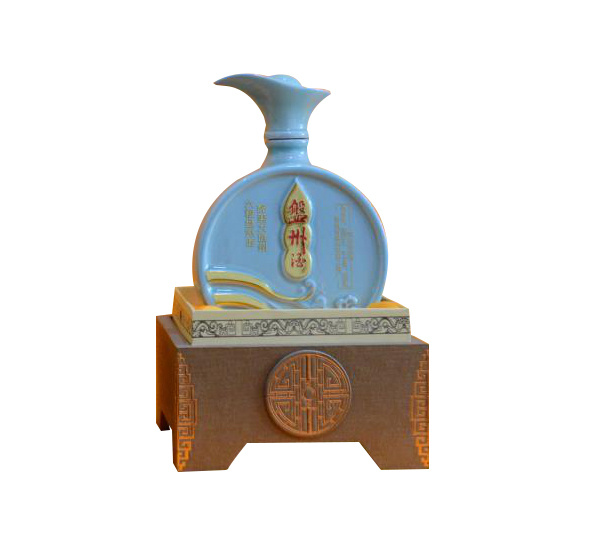
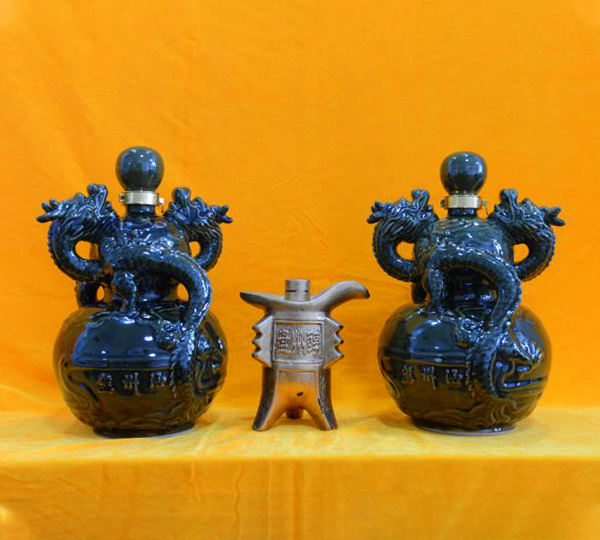
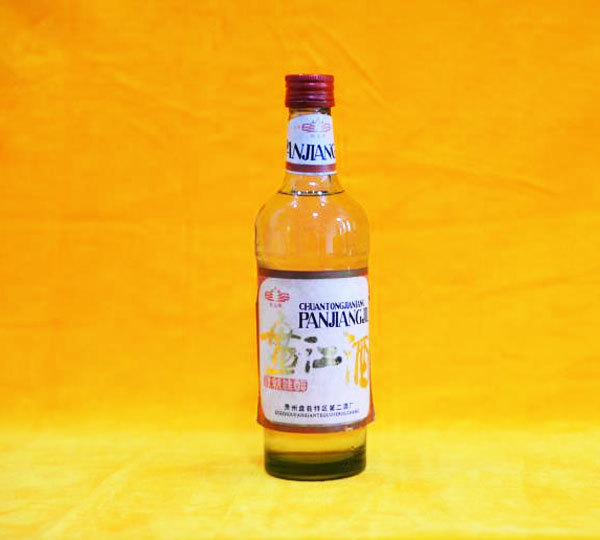
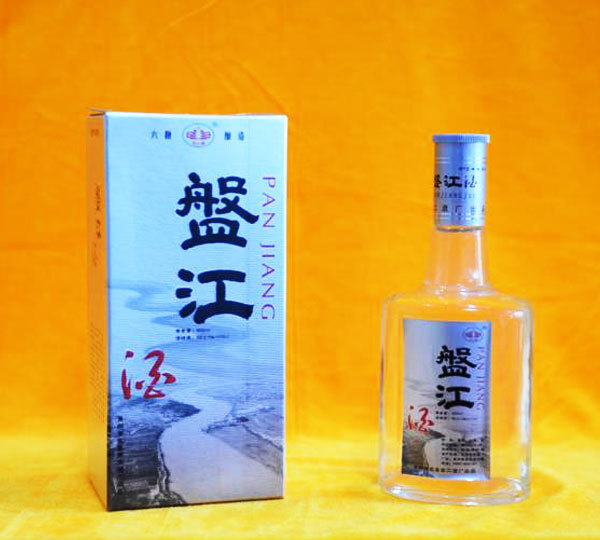
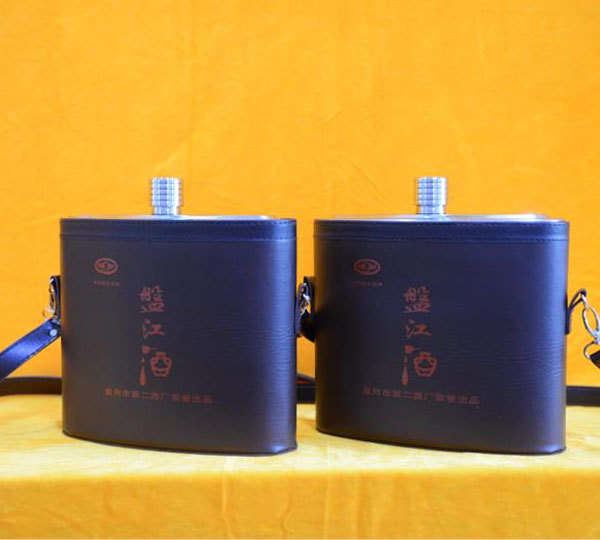
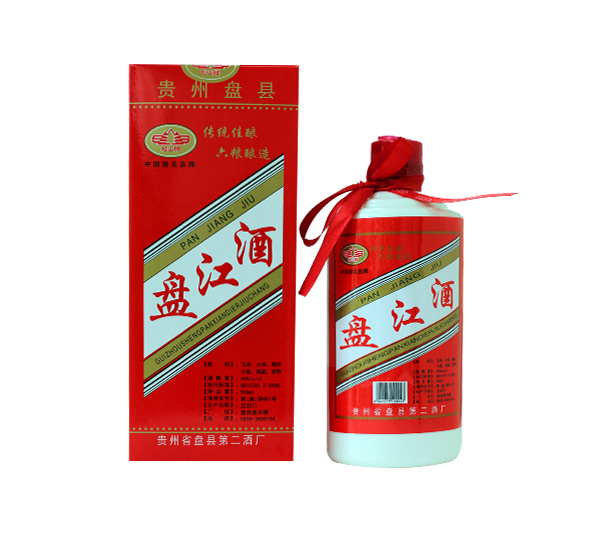

The Second Winery of Panzhou City, Guizhou Province, is located in Panguan Town, Panzhou City, Guizhou Province. Originally known as the Local State-Run Panyan County Second Winery and the Guizhou Province Panyan County Second Winery, it sits between the Sanjiaoshu Mine and the Yueliangtian Mine of Panjiang Coal & Electricity Group, covering an area of more than 40 mu...

Follow us
Copyright © 2023 Guizhou Panzhou No.2 Winery All rights reserved