

Panzhou City Second Winery
Small-batch sauce-aroma, pure-grain brewed
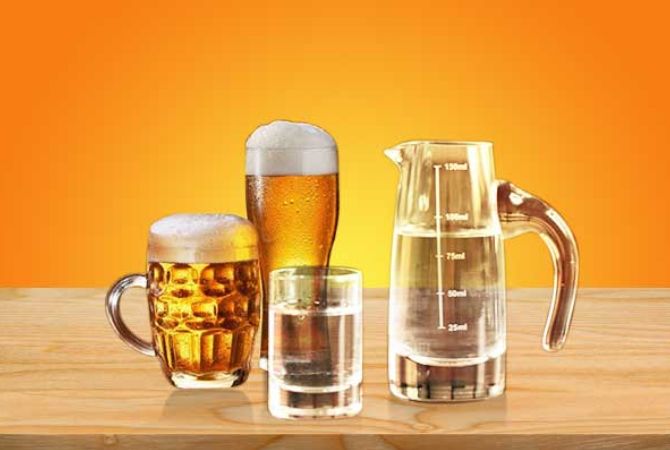
Is it easier to get drunk from drinking beer or baijiu?
Release date:
2021-09-23 12:00
Source:
It’s a day people eagerly look forward to during holidays and festivals, as it gives them the chance to reunite with classmates and friends they haven’t seen in ages—and of course, enjoy some drinks together. Especially during the Spring Festival, after the celebrations wind down, many people find themselves with nothing much to do. Instead of heading straight back to work, they spend their days either lounging around, eating, and waiting for the office to reopen—or diving into games of cards and rounds of drinking.
It’s a day people eagerly look forward to during holidays, as it gives them the chance to reunite with classmates and friends they haven’t seen in ages—and of course, enjoy some drinks together. Especially during the Spring Festival, after the celebrations wind down, many people find themselves with nothing much to do. Days turn into endless cycles of eating, lounging around, and then heading straight to the office—or, if they’re off work, diving into card games and drinking sessions instead. Yet, when it comes to alcohol, preferences vary widely: some folks prefer beer, while others swear by baijiu (Chinese white liquor). Everyone has their own unique tastes, opinions, and habits, leading to different choices. And let’s not forget the occasional daredevil who isn’t fazed by either—so it’s not uncommon for someone to mix beer and baijiu together just to "encourage" their friend to drink more. But here’s the thing—they might not even realize which one—the beer or the baijiu—is actually more likely to make them tipsy.
Is it easier to get drunk from drinking beer or baijiu?
First of all, it’s important to note that baijiu has a much higher alcohol content than beer. Yet, when people drink baijiu, they typically sip it slowly in small cups or take tiny, deliberate gulps—rarely do they down large quantities in one go. Beer, on the other hand, with its lower alcohol level, often encourages people to drink more freely and generously. Sometimes, to save face, they’ll even compete with others by drinking straight from the bottle, chugging loudly—a behavior that easily leads to consuming far greater amounts of alcohol overall. As a result, the total alcohol intake from beer can end up being significantly higher than that from baijiu, meaning the body ends up processing more alcohol after all.
Many people get confused here—so what’s actually better to drink? Well, the answer mostly depends on your own physical condition, since in many cases, some folks handle baijiu like pros, while others really shine with beer. As anyone who regularly drinks beer knows, it has a distinct flavor of its own. And here’s the kicker: the more you drink, the stronger that beer flavor becomes. That’s exactly why I personally don’t enjoy beer—just one or two glasses are fine, but once you go overboard, even the smell makes me want to gag.
Compared to beer, baijiu feels much cleaner and more straightforward—after all, it has a higher alcohol content, so people typically don’t push you to drink too much; you can simply pour yourself according to your usual capacity. With beer, though, others often have no clear idea of how much you can handle, which leads them to keep offering more—and before you know it, you’re already drunk. People who drink beer often lose track of their limits because they assume its lower alcohol content means they can still manage a bit more without getting tipsy.
In fact, whether it's beer or baijiu, getting intoxicated is inevitable—even the beer served at KTVs can leave you completely out of it if you drink too much. What we should focus on isn’t *what* kind of alcohol we’re drinking, but rather how to enjoy it responsibly by sipping less. While everyone knows that a little alcohol can have its perks, few realize that excessive drinking does more harm than good. No matter the type of beverage, the key is to know your limit—there’s no need to push yourself to the point of losing consciousness.
Keywords:
Panzhou No.2 Winery, Panzhou Wine, Panjiang Wine, Maotai Town Wine, Maotai Town Sauce-Aroma White Liquor, Guizhou Wine
Related News
(Reported by Wan Li, Ma Kangtuo, and Wang Hengxuan) In the depths of winter, workers at the packaging workshop of Panzhou City’s No. 2 Winery are bustling about sealing and wrapping Panjiang liquor. Established in 1967, this winery boasts a history spanning more than 50 years. Emerging from the "Third Front Construction" era, the Panzhou City No. 2 Winery has continuously strengthened its Party-building leadership, driving substantial business growth and achieving steady sales increases for many consecutive years. Located in Panguan Town, Panzhou City, the winery sits between the Sanjiaoshu Mine and the Yueliangtian Mine of Panjiang Coal & Electricity Group. It employs the traditional solid-state brewing method, using six types of grains to craft its signature product—known as "Six-Grain Panjiang Liquor"—with an annual production capacity reaching 420 tons. The establishment of this winery is deeply intertwined with the legacy of the "Third Front Construction." “During the Third Front Construction period, the winery was built right between the Sanjiaoshu Mine and the Yueliangtian Coal Mine,” explained factory director Su Feng. “At that time, miners working underground were often exhausted and exposed to damp, chilly conditions. Building this winery provided them with access to high-quality liquor—helping to relieve rheumatism, dispel coldness, and boost their body heat.”
Panzhou City Bureau of Industry and Information Technology Inspects Safety Production Work
Panzhou Bureau of Industry and Information Technology Inspects Safety Production Work
Du, the Mayor of Panzhou, and Liu, Director of the Bureau of Economy and Information Technology, Conducted a Research Visit
The Liupanshui Municipal People's Congress organizes a调研 (research and investigation) on state-owned enterprise reform.
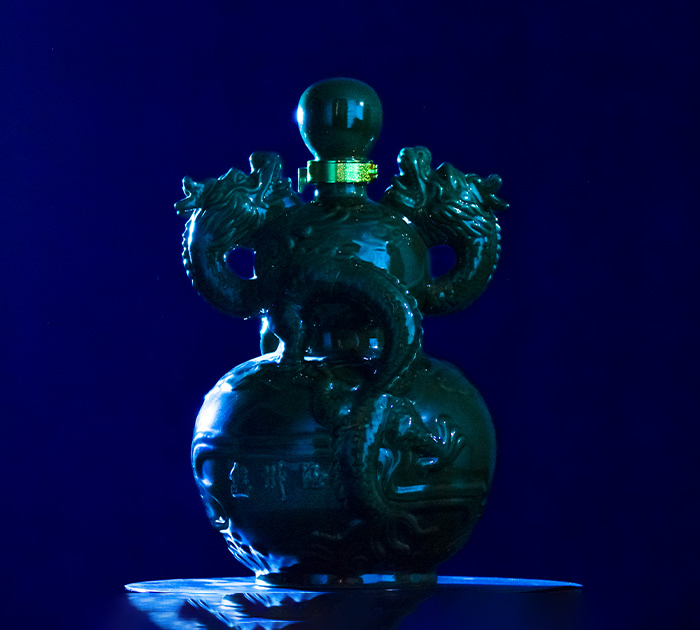
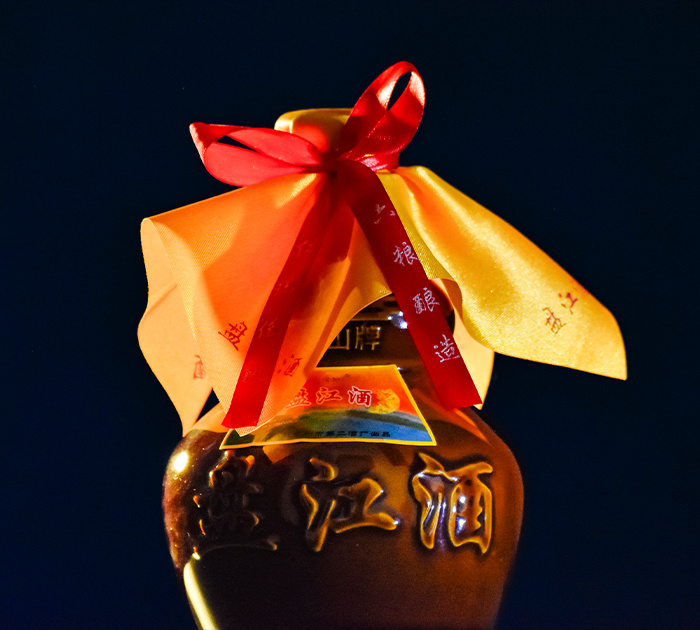
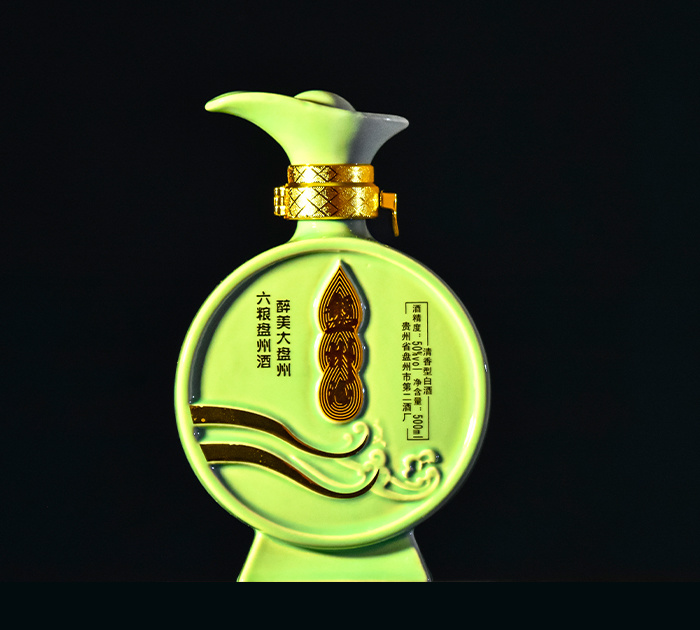
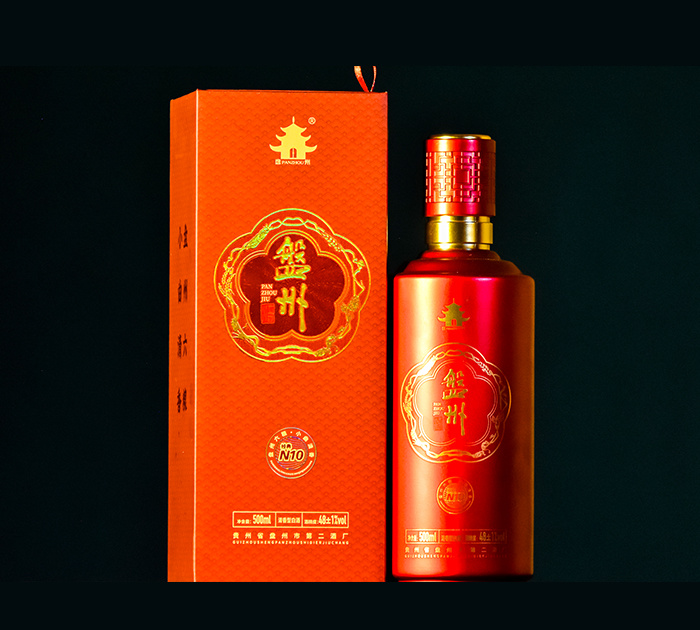
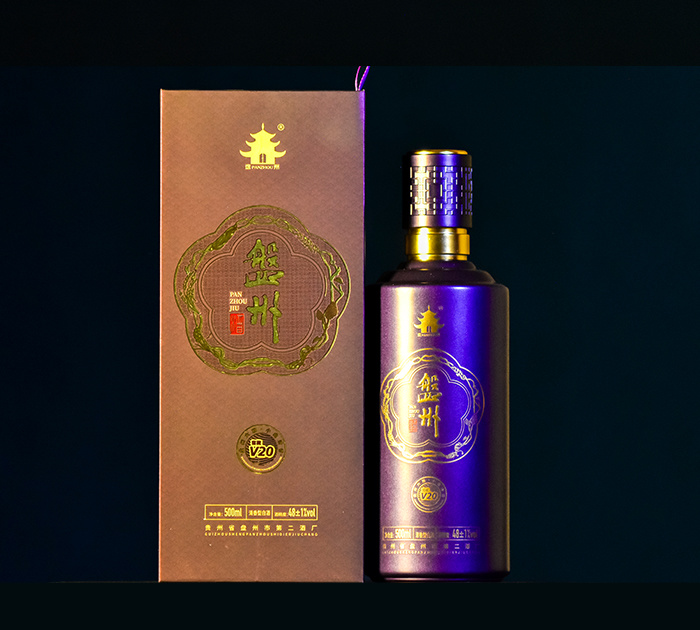
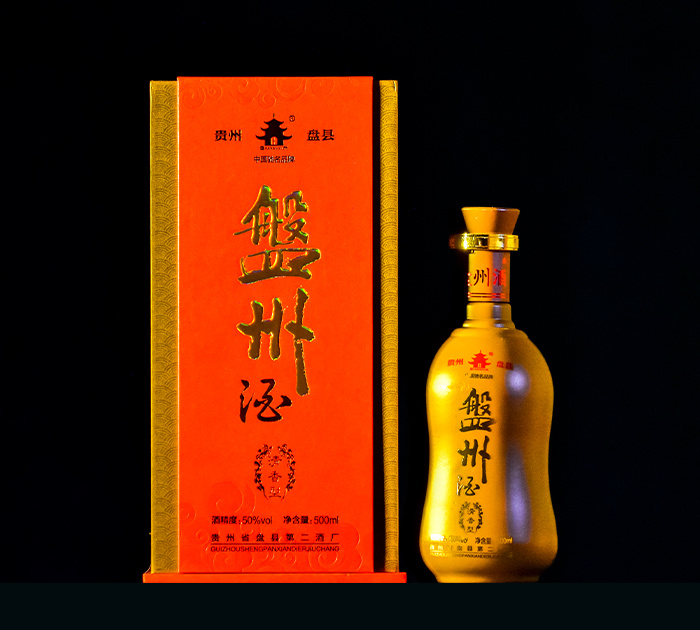
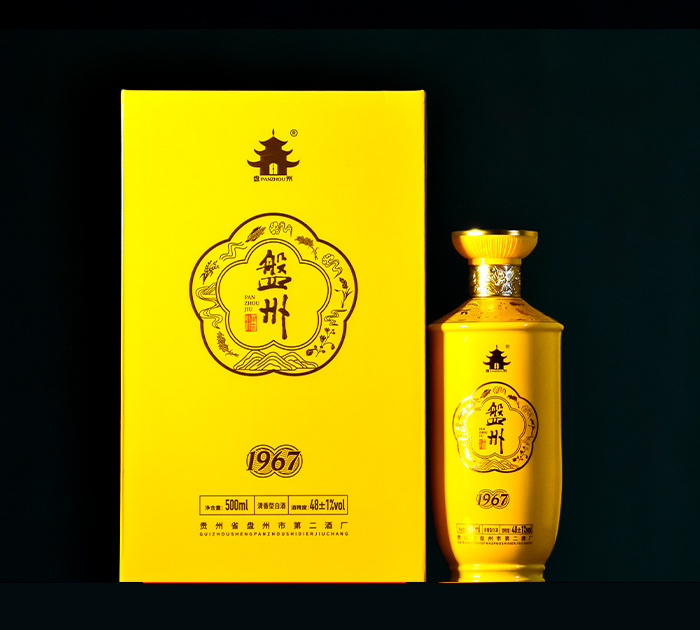
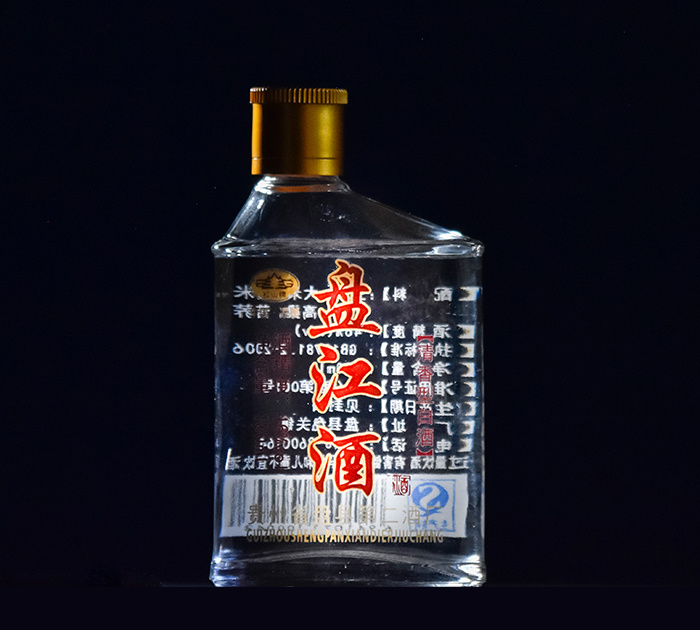
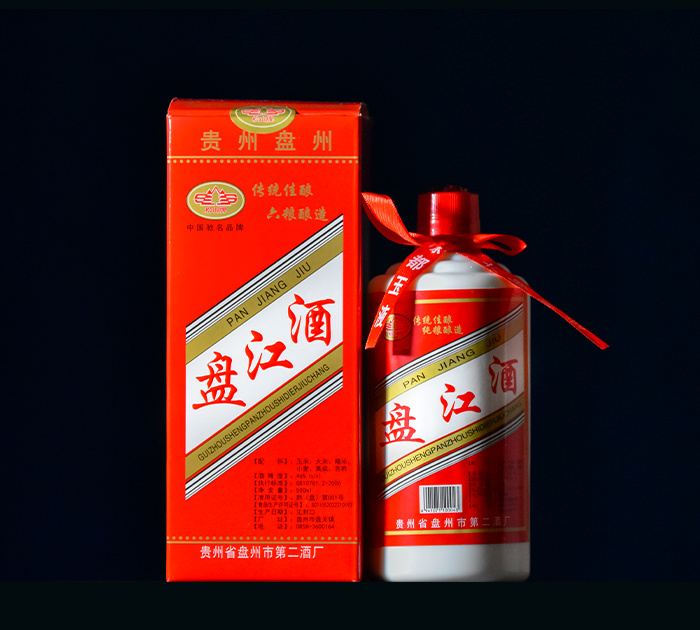
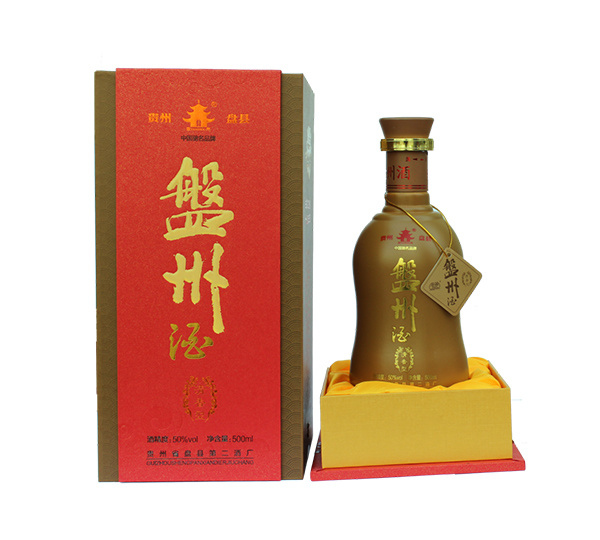
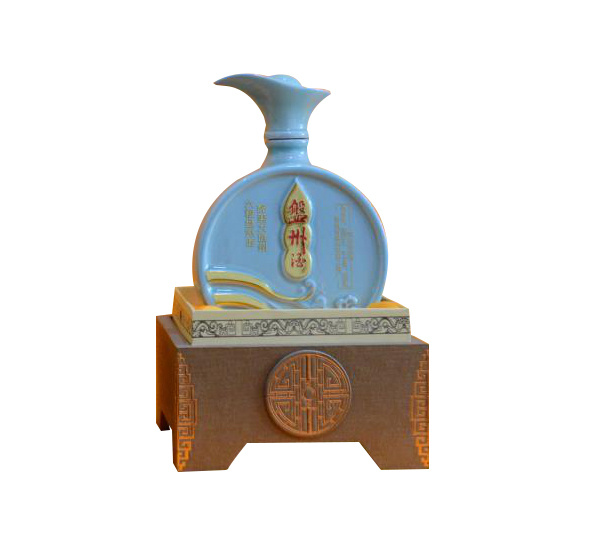
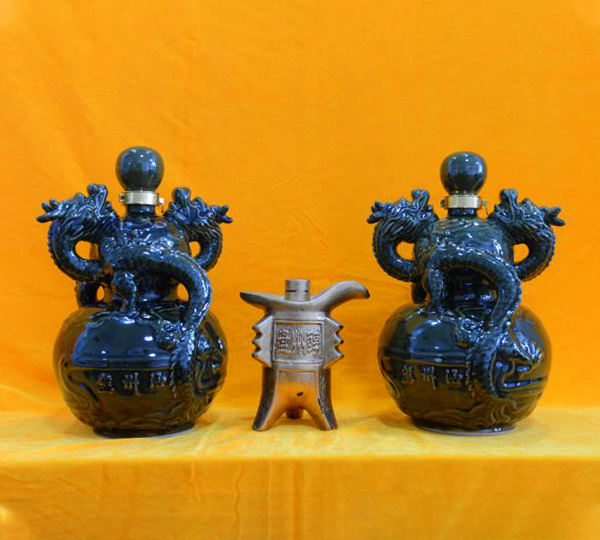
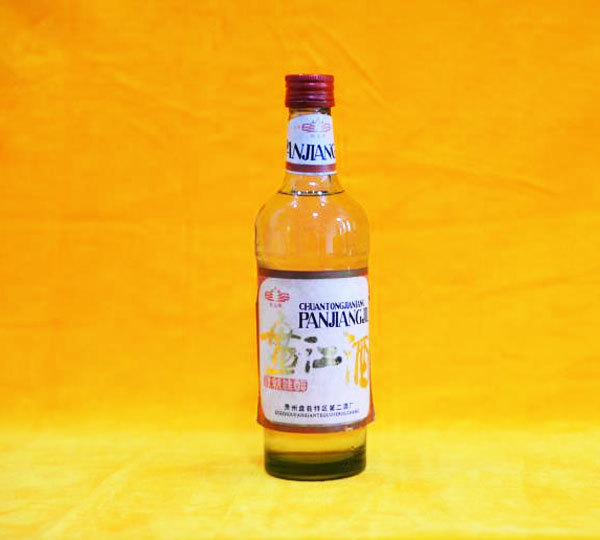
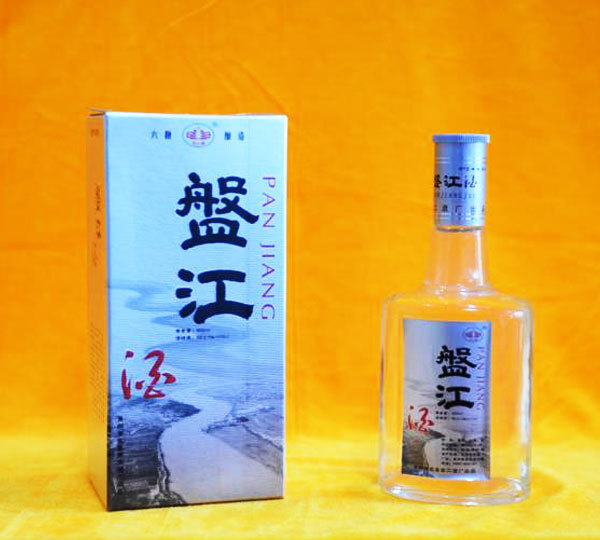
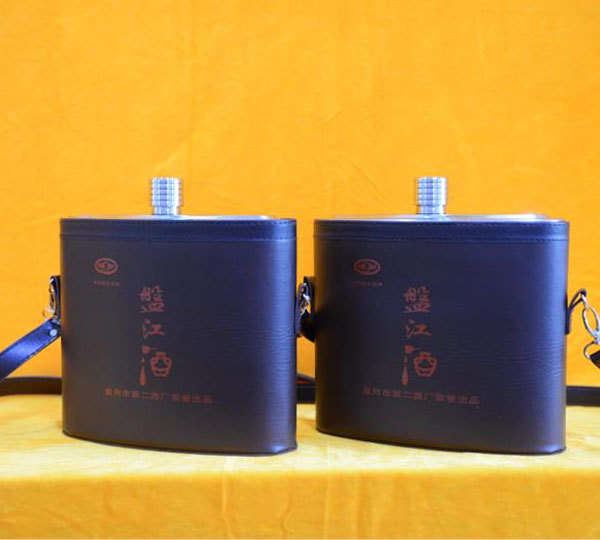
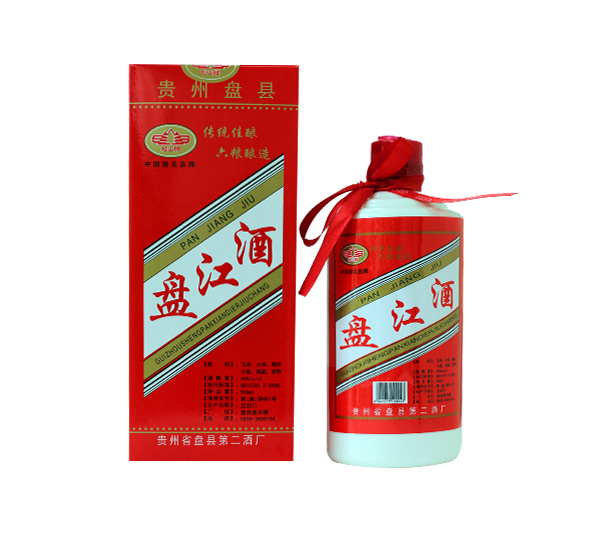

The Second Winery of Panzhou City, Guizhou Province, is located in Panguan Town, Panzhou City, Guizhou Province. Originally known as the Local State-Run Panyan County Second Winery and the Guizhou Province Panyan County Second Winery, it sits between the Sanjiaoshu Mine and the Yueliangtian Mine of Panjiang Coal & Electricity Group, covering an area of more than 40 mu...

Follow us
Copyright © 2023 Guizhou Panzhou No.2 Winery All rights reserved