

Panzhou City Second Winery
Small-batch sauce-aroma, pure-grain brewed
After more than 50 years of dedication, Panzhou City's No. 2 Winery has once again regained its vitality.
Release date:
2021-09-08 20:00
Source:
In Panzhou, there stands an old distillery with a 53-year history—the Panzhou City No. 2 Distillery. Over the past five decades, this distillery has witnessed the booming days of the planned economy era, endured the painful transition from reform and opening-up to a market-driven economy, and even bravely persevered during the critical phase of state-owned enterprise restructuring. Through these trials and tribulations, the second distillery has now shed its former glitz, returning to its authentic roots—and in the new era, it’s bursting with vibrant energy once again. It was that sweltering summer of 1967 when the Pan Guan area along the Tuojiang River felt as humid and hot as it does today. The "Third Front Construction" initiative was in full swing, with coal miners working tirelessly under harsh conditions, relying on manual labor and animal-powered transport to support China’s burgeoning coal industry—just like ants tirelessly toiling for their nation. Back then, the mine shafts were drenched in moisture, and workers weren’t afraid of hardship or fatigue; what they feared most was illness, because falling sick meant missing shifts and disrupting coal production altogether. And so, it was during that very summer that a distillery was born. After all, great mountains yield exceptional water, and fine water is essential for crafting superb liquor. Flanked by towering mountains on both sides of the Tuojiang River, the region boasts rich mineral resources hidden deep within its rugged terrain. Above the mountains, crystal-clear streams flow endlessly, nourishing generations of Pan Guan residents who have lived alongside these life-giving waters for centuries. Between the Sanjiaoshu Mine and the Yue Liang Tian Mine lies one such pristine stream, and it was here that the distillery chose to establish itself. Today, this is Panzhou City’s No. 2 Distillery (formerly known as the "Local State-Owned Pan County Special District No. 2 Distillery," now also referred to as the "Six-Grain Distillery"). To date, after 53 years, it has become the third oldest state-owned distillery in Guizhou Province—behind only Kweichow Moutai and Xiji Distillery, both renowned for their long-standing legacies spanning over 50 years. After a grueling day working underground at two major mines under the Panjiang Coal & Electricity Group, miners finally had the chance to savor a sip of "Panjiang Liquor," crafted entirely from pure grains. This cherished drink not only relieved their exhaustion and banished the dampness accumulated in the mines but also provided much-needed warmth during the cold winter months, shielding them from the biting chill. This "Panjiang Liquor" is meticulously brewed using six premium grains: corn, rice, glutinous rice, sorghum, wheat, and tartary buckwheat. Adhering to the traditional methods of "small-qu flavor, pure-grain fermentation, and solid-state brewing," it contains no artificial flavors or additives. As a result, it offers an intoxicating aroma, a lingering finish, and leaves drinkers feeling neither hungover nor parched afterward—a quality that has earned it the nickname "the Little Moutai of Panjiang." During the Third Front Construction period, "Panjiang Liquor" wasn’t just enjoyed by miners and local villagers—it even made its way to Beijing, Shanghai, and northeastern regions across China. Legend has it that once, a soldier stationed in Beijing decided to buy two bottles of "Panjiang Liquor" as a thoughtful gift for his family back home during a rare visit. Though he didn’t usually drink alcohol, he’d heard rave reviews about this particular brand. So, he purchased two bottles of "Songshan Brand Panjiang Liquor" and brought them back to his hometown—only to discover later that the liquor was actually produced right where he grew up! Thanks to its superior quality and the seller-dominated market conditions of the planned economy era, "Panjiang Liquor" quickly gained widespread acclaim, becoming an instant sensation. However, as the saying goes, "no flower remains in full bloom forever." The second distillery too faced challenging times and even a severe downturn. At the end of the last century, China underwent its third major wave of socialist transformation—this time targeting state-owned enterprises nationwide. Like many others, Panjiang Distillery found itself thrust into the turbulent currents of the market economy, forced to adapt or risk being left behind. At the height of the crisis, factory director Su Feng, who had taken office around the same time as the company’s restructuring, recalls vividly: "I thought to myself then—these workers are like my own family. If I gave up now, who would step up to lead everyone? Without the distillery, we’d lose not only our livelihood but also the legacy of this fine brand altogether." During the toughest moments, even the factory director himself could only afford a meager subsidy of 250 yuan per person. Hearing this, some mocked, calling everyone—from the CEO down to the lowest-ranking employee—"two-fiftyers"—a label that stung deeply. It took a collective effort to raise each worker’s allowance by an additional 10 yuan to ease the humiliation. "Back when things were toughest, our wages barely covered basic living expenses—just 260 yuan per capita. But no matter how tough it got, every single employee remained committed to upholding the distillery’s reputation. We refused to compromise on quality or produce counterfeit goods. And look at us now—thanks to everyone’s relentless dedication and unwavering loyalty, the distillery is thriving again!" shared employee Ao Chengyan with heartfelt emotion. Even in the darkest hours, countless Panjiang Liquor enthusiasts never wavered, treating the distillery like their second home. They understood clearly that if production ever ceased, restarting would be nearly impossible. By steadfastly maintaining high-quality standards and refusing to cut corners, they elevated the brand’s prestige above their own personal ambitions. Upholding the principle of "never producing a single drop of substandard liquor," they endured the coldest winters with unyielding determination, patiently waiting for spring to return. Through countless struggles, the distillery eventually emerged stronger than ever before. By the turn of the millennium, after weathering the storm with resilience and perseverance, the second distillery began to flourish once more. Its renewed vitality soon earned it well-deserved accolades: in 2006, the Songshan-brand Panjiang Liquor was awarded the prestigious titles of "China Famous Brand," "China Consumer-Friendly Premium Brand" (as a key promotional unit), and "Nationally Certified Quality Product." Meanwhile, the distillery itself received honors such as "National Model Unit for Quality Integrity Brands," "Outstanding Green and Ecological Enterprise in Guizhou," and "Contract-Honoring and Trustworthy Enterprise in Guizhou Province." Today, the distillery’s facilities have undergone a remarkable transformation, shedding their old, worn appearance for a fresh, modern aesthetic. The distillery’s total assets have nearly doubled, enabling it to produce 420 tons of liquor annually across its two flagship brands: Panjiang Liquor and Panzhou Liquor. After more than five decades of steadfast dedication and continuous refinement, the distillery’s production techniques have reached new heights of precision, while its products have consistently maintained unparalleled excellence. As a result, Panjiang Liquor and Panzhou Liquor have become beloved favorites among consumers far and wide, attracting customers from near and far eager to place orders. Thanks to this success, dozens of employees are now enjoying stable, prosperous lives—proof that hard work and unwavering commitment truly pay off.Factory Director Su Feng said: "Over the past 53 years, we've weathered countless challenges and twists and turns to reach where we are today—thanks to the relentless efforts and pioneering spirit of several generations. In recent years, our output value, production volume, revenue, and tax contributions have steadily grown year after year. In 2019, we achieved an output value of 8.16 million yuan, revenue of 4.83 million yuan, and paid 1.43 million yuan in taxes. Moving forward, we’ll continue to boost production, expand our sales network, and maintain uncompromising quality, ensuring that consumers can enjoy safe, authentic solid-state fermented liquor." (Reported by All-Media Journalist Xiao Runxian, with contributions from Correspondents Peng Zhonggong and Deng Qiang)

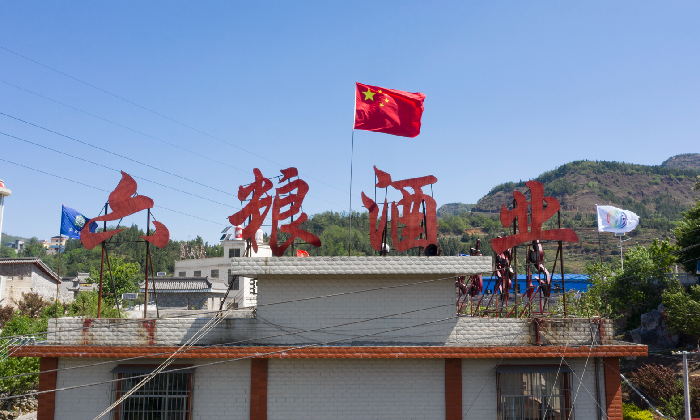
In Panzhou, there stands an old winery with a 53-year history—the Panzhou City No. 2 Winery. Over the past 53 years, it has witnessed the booming days of the planned economy era, endured the painful transition from reform and opening up to a market-driven economy, and even bravely persevered through the critical juncture of state-owned enterprise restructuring. Through these trials and tribulations, the No. 2 Winery has now shed its former glitz and returned to its authentic roots, radiating vibrant new energy in the spirit of the new age.

That summer of 1967, Pan'guan by the banks of the Tuojiang River was as humid and sweltering as it is today. The "Third Front Construction" was in full swing, with coal miners working tirelessly under harsh conditions—relying on human labor and animal transport—to toil like ants for the sake of China's burgeoning coal industry. Back then, the mine shafts were drenched in heavy moisture, yet the workers braved the grueling heat and exhaustion without complaint; their greatest fear was falling ill, because getting sick meant missing work—and that, in turn, would disrupt coal production at the mine.


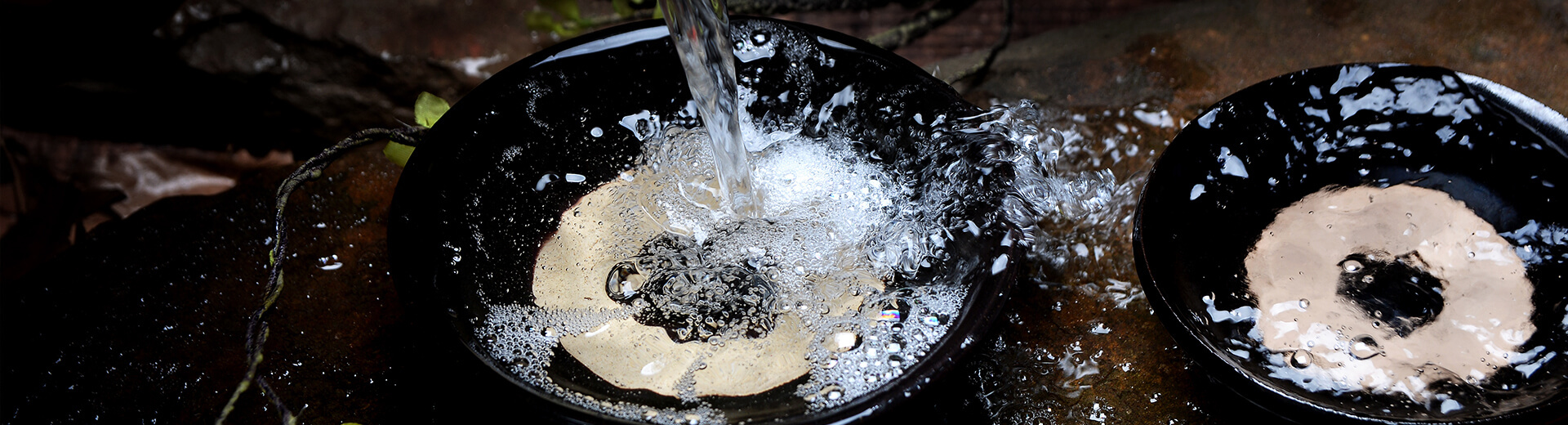
And so, this summer, a winery was born. Good mountains produce excellent water, and fine water is the secret to crafting superb wine. Flanking both sides of the Tuojiang River are towering mountains, whose depths hold abundant mineral resources. Above these majestic peaks, streams flow freely—crystal-clear rivulets that have sustained generations of Pangguan villagers, who’ve lived peacefully along the riverbanks for centuries.

Between the Sanjiaoshu Mine and the Yueliangtian Mine lies a vibrant stream of living water, and it was here that the distillery chose to establish itself. This is Panzhou’s Second Distillery (formerly known as the "Local State-Owned Pan County Special District Second Distillery," now also referred to as the "Six-Grain Distillery"). To date, 53 years have passed, making it the third state-owned distillery in Guizhou Province—with a history exceeding 50 years—alongside Guizhou Moutai and Guizhou Xiji.

Coal workers from two major mines under the Panjiang Coal & Electricity Group finally get to enjoy a sip of "Panjiang Liquor"—a pure-grain brew—after a grueling day underground. It helps them shake off the day’s fatigue, banish the dampness they’ve endured in the mine, and even provides a comforting shield against the biting cold of winter.

This "Panjiang Liquor" is meticulously crafted using six premium grains—corn, rice, glutinous rice, sorghum, wheat, and tartary buckwheat—following the traditional methods of "small-qu flavor with a clean aroma, pure grain fermentation, and solid-state brewing." It contains no artificial flavors or fragrances, offering a delightfully fragrant profile, a long-lasting, smooth finish, and the unique qualities of leaving you feeling refreshed rather than hungover or parched. No wonder it’s affectionately dubbed the "Panjiang Little Moutai." During the "Third Front Construction" era, this exquisite liquor wasn’t just enjoyed by coal miners from Panjiang Coal & Electricity Group and local villagers—it was even exported far beyond, reaching as far as Beijing, Shanghai, and northeastern regions of China.

It is said that back then, there was a soldier who had joined the army and moved to Beijing. When he returned home for family visits and the New Year, he wanted to buy two bottles of fine wine as a thoughtful gift for his elders. Though he didn’t usually drink alcohol himself, he’d heard this particular wine was excellent, so he purchased two bottles of "Songshan Brand Panjiang Wine" and brought them home. Only upon arriving did he discover that the wine was actually produced right in his hometown!
Excellent quality, combined with the seller's market of the planned economy era, propelled "Panjiang Wine" to sudden fame and unparalleled popularity.

As the saying goes, "No flower stays in full bloom forever," and indeed, the Second Winery has also weathered its own troughs and harsh winters. At the end of the last century, a state-owned enterprise restructuring—often dubbed China's third "Socialist Transformation" of the post-Mao era—swept across the nation. Like many others, the Second Winery was forced to step out of its protected environment and fend for itself amid the turbulent currents of the market economy. It was during this very period that Su Feng, the current factory director who is the same age as the winery itself, took on the role of leading the company. Reflecting on those challenging days, he shared with us: "Back then, I thought to myself—these workers are like my own family. If I give up now, who will step up to guide everyone? Without me, the winery and its cherished wines would simply vanish."
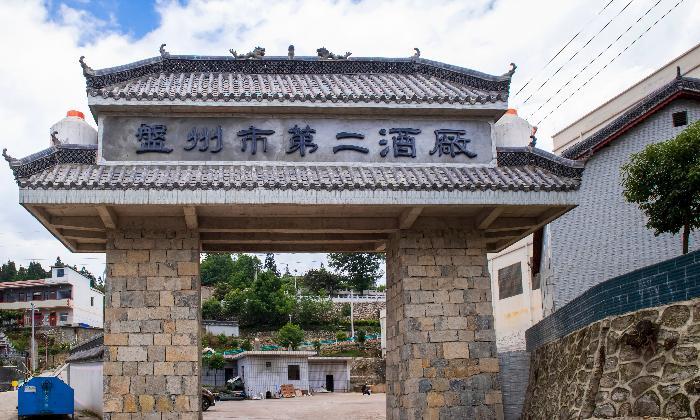
At the toughest time, from Su Feng down to the employees, everyone could only receive a subsidy of 250 yuan. Word got around, and people mocked, "From the factory director to the workers, they're all 'two-fifty'!" Unable to bear the cold sarcasm any longer, they finally decided to increase each person's subsidy by an additional 10 yuan.
“Our winery used to face tremendous challenges—employees were earning a meager salary of just 260 yuan per person, barely enough to get by. But no matter how tough things got, everyone at the factory kept pushing forward, focusing on building our brand and refusing to compromise by producing even a single substandard or counterfeit product. Today, the company’s growth has clearly improved, and that’s directly tied to everyone’s relentless dedication and unwavering commitment.” Employee Ao Chengyan said thoughtfully.

Despite the toughest times, many Panjiang winemakers remained deeply committed to their factory, staying by its side through thick and thin. They understood clearly that if the winery ever shut down, there would be no chance of reopening it again. Determined to keep production alive and uphold uncompromising quality, they valued the reputation of Panjiang Wine even more than their own—always adhering to the principle: "No matter how challenging the situation, we’ll never produce a single drop of substandard wine." Braving the bitter cold with unwavering resolve, they patiently waited for the snow to melt and spring to bloom. After enduring countless struggles, the winery finally ushered in a new era of growth and prosperity. At the turn of the century, thanks to their relentless perseverance and the hard-won resilience of the "second winery," which emerged only after being pushed to the brink, the facility began steadily recovering—and thriving.

The winery was brought back to life, and with it came a wave of well-deserved recognition. In 2006, the Songshan-brand Panjiang Liquor series earned prestigious titles such as "China Famous Brand," "China Consumer-Friendly Premium Brand" (a key promotional unit), and "Nationally Certified Quality Product." Meanwhile, the Second Distillery also received accolades like "National Model Unit for Quality Integrity and Trustworthiness," "Outstanding Green and Ecological Enterprise in Guizhou Province," and "Contract-Abiding and Credit-Worthy Unit" in Guizhou Province. In 2017, it became an internship and experimental base, as well as a practical training facility, for both the School of Brewing and Food Engineering and Mingde College at Guizhou University.

Today, the factory complex has undergone a remarkable transformation, shedding its old image for a vibrant, modern look. The total assets of the Second Winery have nearly doubled, enabling it to produce 420 tons of Baijiu annually—spanning the Panjiang and Panzhou series. After more than 50 years of steady dedication and continuous refinement, the winery’s production techniques have become increasingly sophisticated, while its products have reached new heights in quality and excellence. Both the Panjiang and Panzhou series boast a wide range of premium liquors that have won the hearts of consumers far and wide, attracting buyers from near and far eager to place orders. Thanks to this success, dozens of employees are now enjoying improved livelihoods and brighter futures.
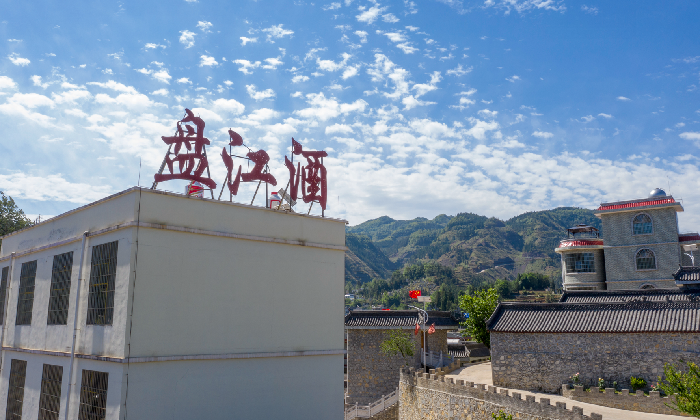
Factory Director Su Feng said: "Over the past 53 years, we’ve weathered countless challenges and twists and turns to reach where we are today—thanks to the relentless efforts and pioneering spirit of several generations. In recent years, our output value, production volume, revenue, and tax contributions have steadily grown year after year. In 2019, we achieved an output value of 8.16 million yuan, revenue of 4.83 million yuan, and paid 1.43 million yuan in taxes. Moving forward, we’ll continue to boost production, expand sales, and maintain uncompromising quality, ensuring that consumers can enjoy safe, authentic, solid-state fermented liquor with complete peace of mind."
(Reported by All-Media Journalist Xiao Runxian, with contributions from Correspondents Peng Zhonggong and Deng Qiang)
Keywords:
Panzhou No.2 Winery, Panzhou Wine, Panjiang Wine, Maotai Town Wine, Maotai Town Sauce-Aroma White Liquor, Guizhou Wine
Next page
Related News
(Reported by Wan Li, Ma Kangtuo, and Wang Hengxuan) In the depths of winter, workers at the packaging workshop of Panzhou City’s No. 2 Winery are bustling about sealing and wrapping Panjiang liquor. Established in 1967, this winery boasts a history spanning more than 50 years. Emerging from the "Third Front Construction" era, the Panzhou City No. 2 Winery has continuously strengthened its Party-building leadership, driving substantial business growth and achieving steady sales increases for many consecutive years. Located in Panguan Town, Panzhou City, the winery sits between the Sanjiaoshu Mine and the Yueliangtian Mine of Panjiang Coal & Electricity Group. It employs the traditional solid-state brewing method, using six types of grains to craft its signature product—known as "Six-Grain Panjiang Liquor"—with an annual production capacity reaching 420 tons. The establishment of this winery is deeply intertwined with the legacy of the "Third Front Construction." “During the Third Front Construction period, the winery was built right between the Sanjiaoshu Mine and the Yueliangtian Coal Mine,” explained factory director Su Feng. “At that time, miners working underground were often exhausted and exposed to damp, chilly conditions. Building this winery provided them with access to high-quality liquor—helping to relieve rheumatism, dispel coldness, and boost their body heat.”
Panzhou City Bureau of Industry and Information Technology Inspects Safety Production Work
Panzhou Bureau of Industry and Information Technology Inspects Safety Production Work
Du, the Mayor of Panzhou, and Liu, Director of the Bureau of Economy and Information Technology, Conducted a Research Visit
The Liupanshui Municipal People's Congress organizes a调研 (research and investigation) on state-owned enterprise reform.
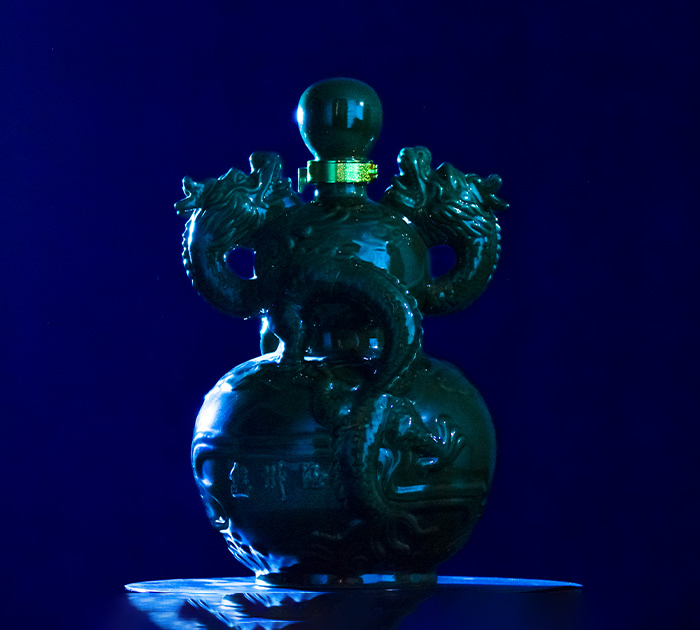
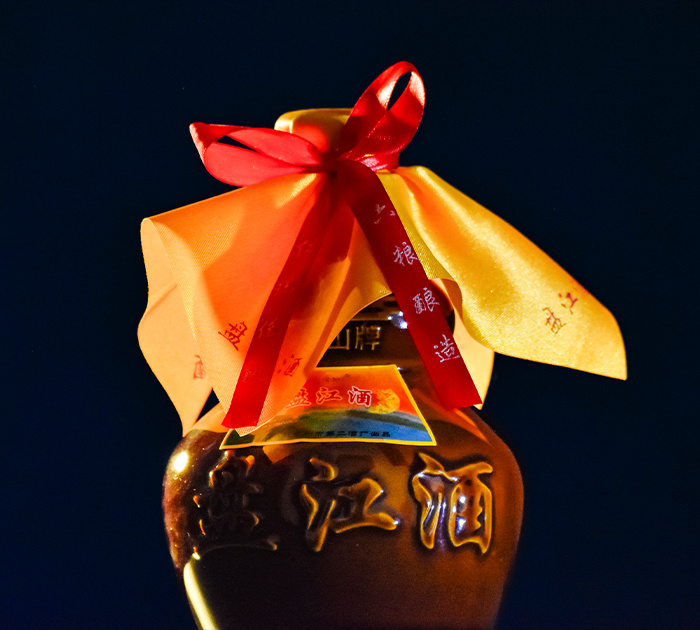
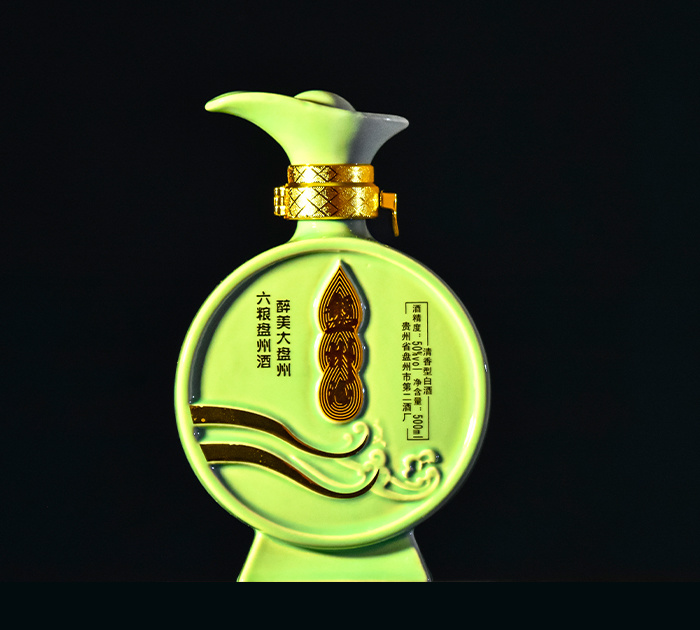
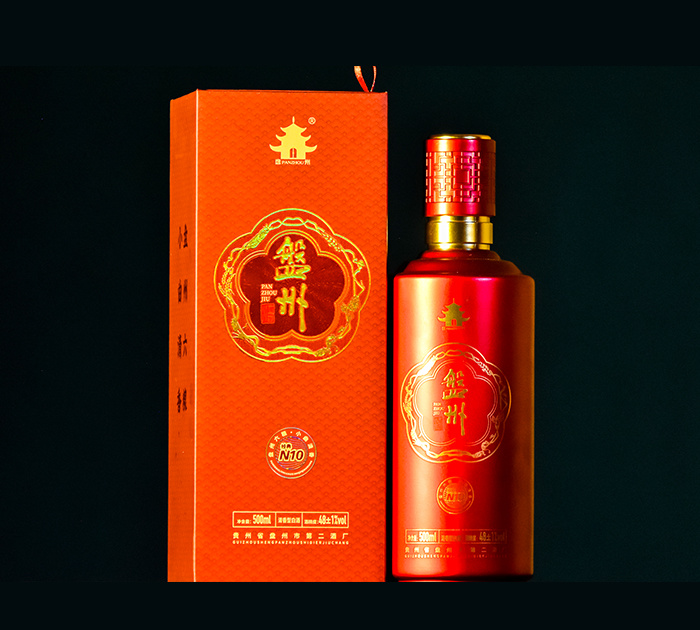
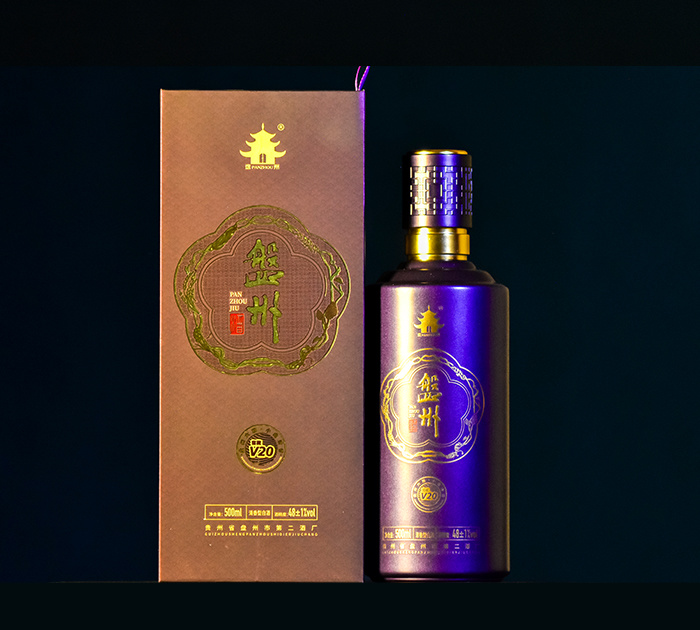
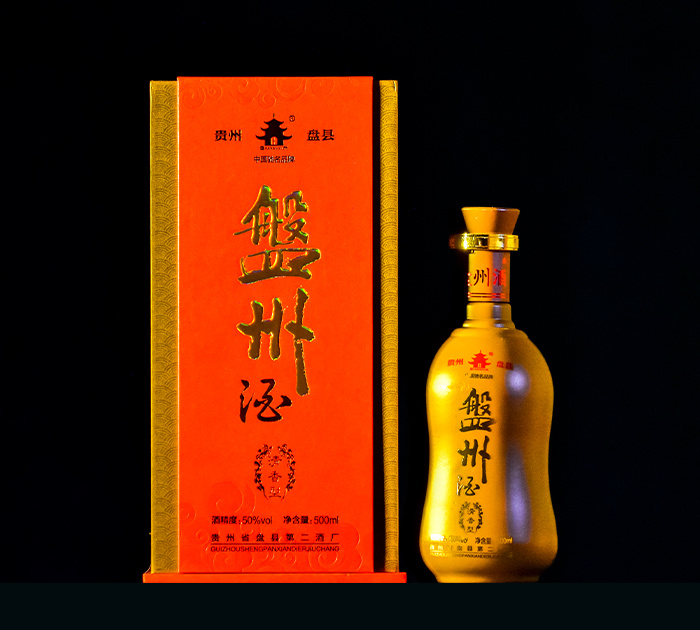
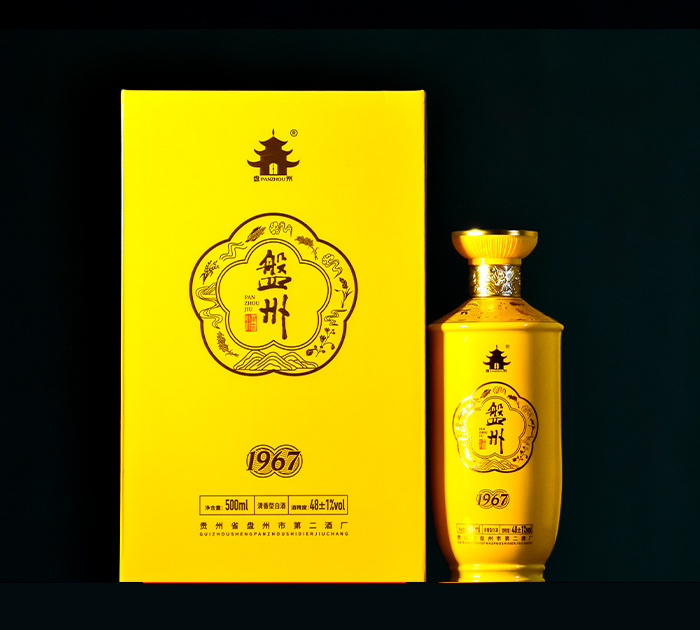
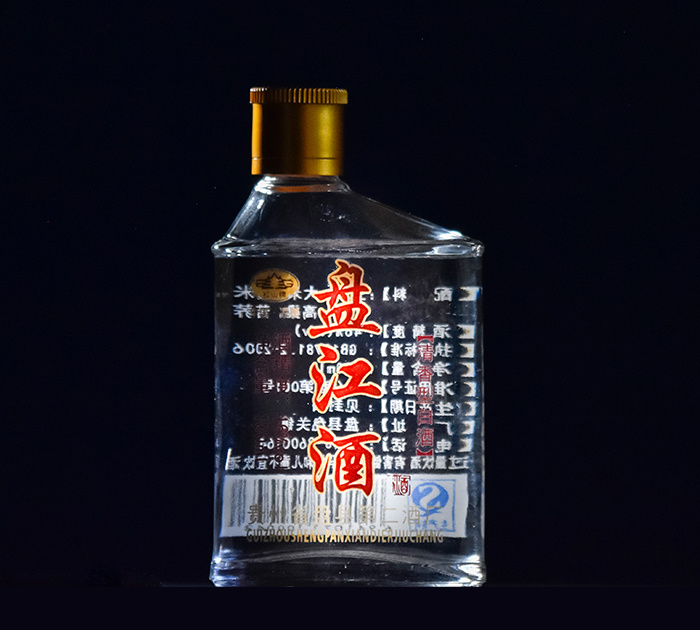
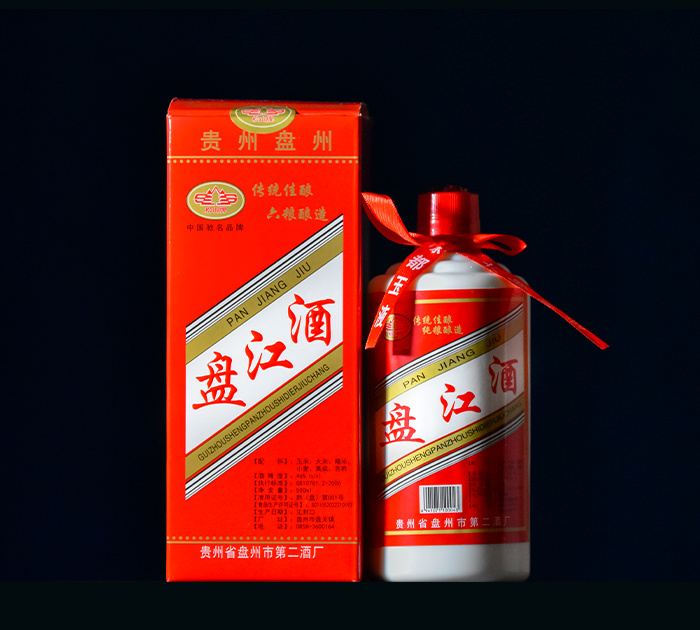
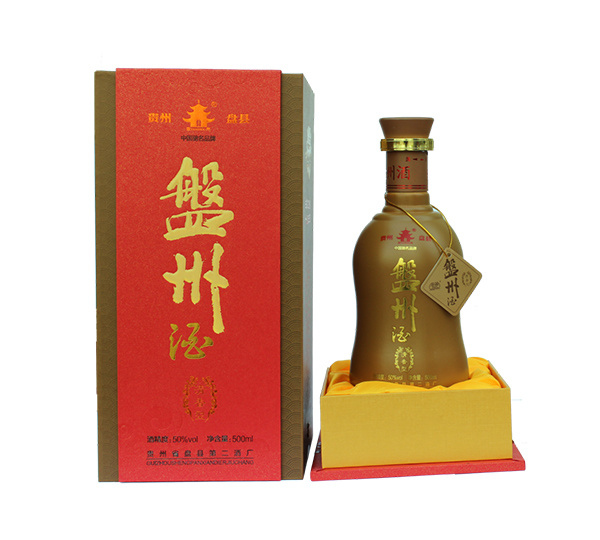
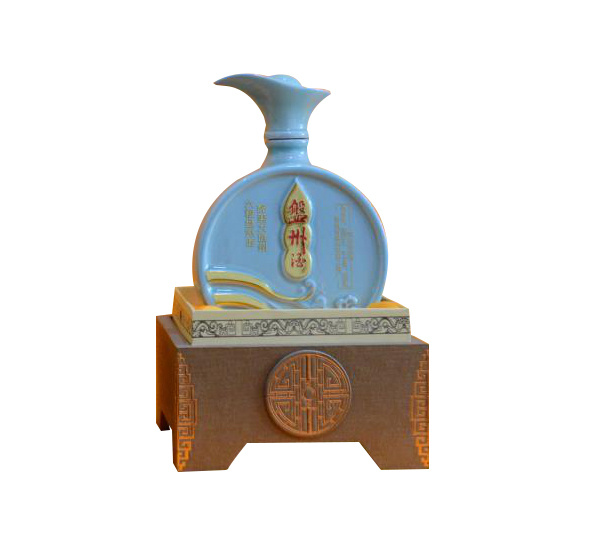
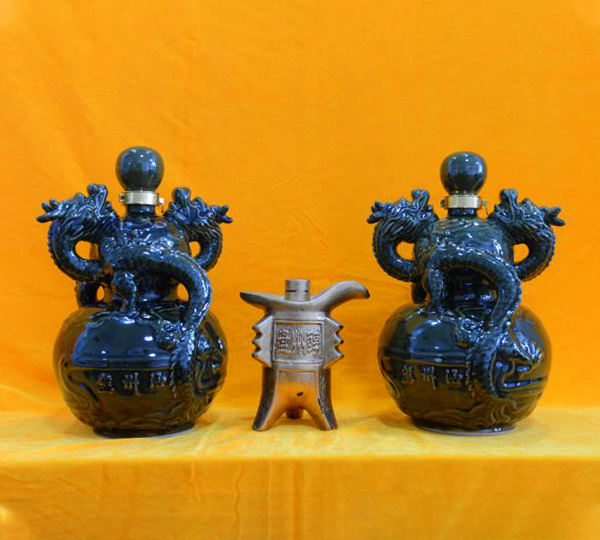
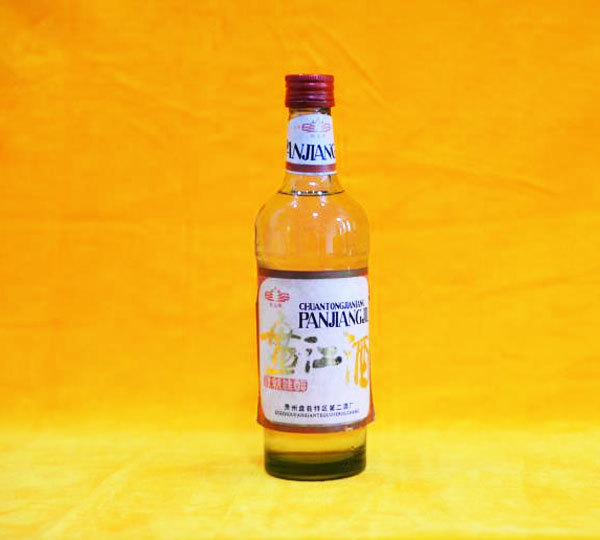
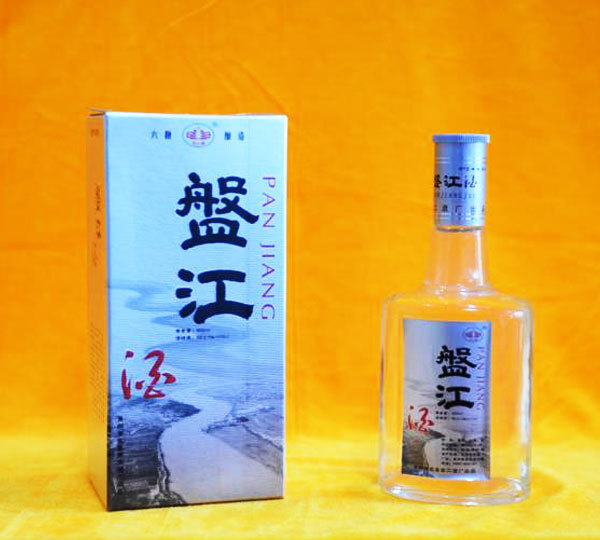
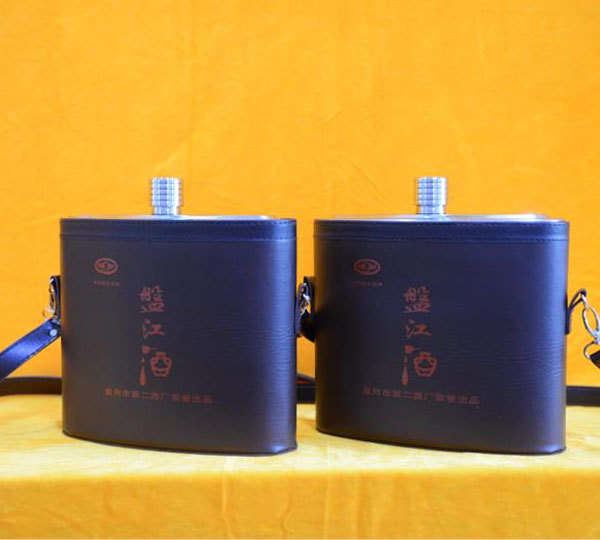
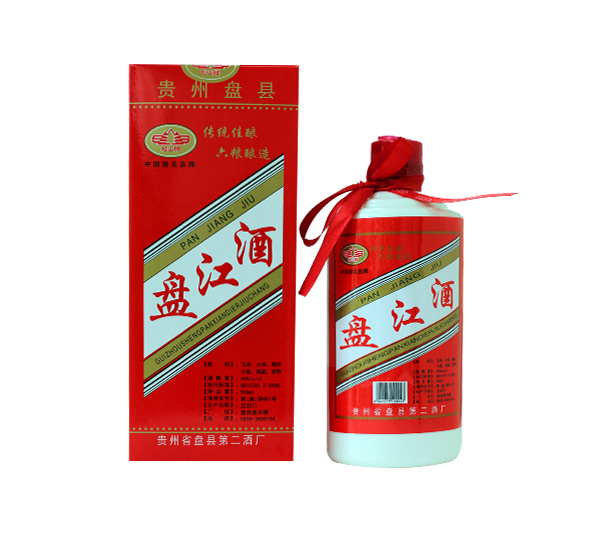

The Second Winery of Panzhou City, Guizhou Province, is located in Panguan Town, Panzhou City, Guizhou Province. Originally known as the Local State-Run Panyan County Second Winery and the Guizhou Province Panyan County Second Winery, it sits between the Sanjiaoshu Mine and the Yueliangtian Mine of Panjiang Coal & Electricity Group, covering an area of more than 40 mu...

Follow us
Copyright © 2023 Guizhou Panzhou No.2 Winery All rights reserved